Can Vitamin E Truly Erase Your Skin Scars and Marks?
For decades, Vitamin E has been lauded as a miracle ingredient in the pursuit of flawless skin, particularly when it comes to fading the unwelcome reminders of past injuries, acne, or stretch marks. Its widespread availability in creams, oils, and supplements has made it a go-to remedy for those seeking a natural approach to skin healing. But amidst the glowing testimonials, what does the science truly say about Vitamin E's efficacy in treating skin scars and marks?
Navigating the world of dermatological solutions can be daunting, with countless products promising transformative results. This comprehensive guide, authored by Dr. Amanda Clarke and reviewed by Dr. Jason Reed, M.D., delves deep into the scientific evidence surrounding Vitamin E, exploring its mechanisms of action, how to best apply it, and what realistic outcomes you can expect. We’ll uncover how this powerful antioxidant works to support skin repair and regeneration, offering insights into whether it can truly make a difference for your complexion, ultimately leading to smoother, more even-toned skin.
70%
Adults affected by scarring
1 in 3
Seek natural scar remedies
85%
Users report skin improvement
2-4 months
Typical healing time for scars
Understanding Skin Scars and Marks: A Dermatological Perspective
Scars and marks are natural consequences of the skin's healing process after injury, inflammation, or trauma. While they are a testament to our body's incredible ability to repair itself, they can often be a source of cosmetic concern for many individuals. Understanding the different types of scars and marks is the first step toward effective treatment.
Broadly, scars can be categorized into several types. Atrophic scars, often seen after acne or chickenpox, appear as depressions or indentations in the skin due to a loss of tissue. In contrast, hypertrophic scars and keloids are raised scars that result from an overproduction of collagen during healing. Hypertrophic scars remain within the boundaries of the original wound, while keloids extend beyond it, often growing larger than the initial injury. Beyond these, we also encounter stretch marks (striae), which are a form of scarring caused by rapid stretching of the skin, and post-inflammatory hyperpigmentation (PIH), which manifests as dark spots or discoloration after inflammatory conditions like acne or eczema. Each type presents unique challenges and requires a nuanced approach to treatment.
The severity and appearance of a scar are influenced by numerous factors, including the depth and size of the wound, its location on the body, genetics, age, and even skin tone. For instance, individuals with darker skin tones are more prone to developing keloids and post-inflammatory hyperpigmentation. The body's healing mechanism involves a complex cascade of cellular events, from inflammation and tissue formation to remodeling. When this process goes awry, either by under-producing or over-producing tissue, a visible scar is left behind. This intricate biological dance highlights why finding effective solutions for scar reduction is a persistent area of research and personal pursuit.
The Science Behind Vitamin E: A Skin's Best Friend
Vitamin E is not a single compound but a group of eight fat-soluble compounds that include tocopherols and tocotrienols, with alpha-tocopherol being the most biologically active form in humans. Revered for its potent antioxidant properties, Vitamin E plays a crucial role in protecting the body's cells from damage caused by free radicals.
Free radicals are unstable molecules generated by environmental factors such as UV radiation, pollution, and even normal metabolic processes. These free radicals can damage cell membranes, proteins, and DNA, leading to oxidative stress, which is a major contributor to premature skin aging and impaired healing. As an antioxidant, Vitamin E neutralizes these harmful free radicals, thereby safeguarding skin cells and supporting their optimal function. This protective action is particularly vital during the skin's healing process, where cellular turnover and repair mechanisms are highly active. By mitigating oxidative stress, Vitamin E helps create a more favorable environment for healthy tissue regeneration.
Beyond its antioxidant prowess, Vitamin E also possesses significant anti-inflammatory effects. Inflammation is a natural and necessary part of wound healing, but chronic or excessive inflammation can impede proper scar formation and lead to more prominent, unsightly marks. By reducing inflammatory responses, Vitamin E can help calm irritated skin and promote a smoother, less reactive healing trajectory. Furthermore, Vitamin E is known to improve skin hydration and strengthen the skin's barrier function, contributing to enhanced elasticity and a more resilient complexion. These combined actions make Vitamin E a valuable ally in the quest for improved skin health and scar management.
While Vitamin E is naturally found in many foods like nuts, seeds, vegetable oils, and leafy greens, its topical application or supplementation is often considered for targeted skin benefits. The ability of Vitamin E to integrate into cell membranes allows it to exert its protective effects directly where they are needed most, offering a compelling reason for its continued study and use in dermatological care.
How Vitamin E May Aid in Scar Reduction and Mark Fading
The theoretical benefits of Vitamin E for scars and marks stem from its multifaceted contributions to skin health and wound healing. While direct, conclusive evidence from large-scale clinical trials specifically on scar eradication remains somewhat mixed, the biological mechanisms suggest a strong supportive role.
One primary way Vitamin E is believed to help is through its influence on collagen production. Collagen is the main structural protein in the skin, and its disorganized arrangement is what gives scars their distinct texture and appearance. Vitamin E may help modulate the synthesis and cross-linking of collagen fibers, potentially leading to a more organized and aesthetically pleasing collagen matrix during the remodeling phase of wound healing. This could result in scars that are flatter, softer, and more closely resemble the surrounding healthy skin.
Moreover, Vitamin E is an excellent emollient, meaning it helps to moisturize and hydrate the skin deeply. Well-hydrated skin is more elastic and flexible, which is crucial for preventing excessive tension on healing wounds and for promoting smoother tissue regeneration. Improved skin elasticity and hydration can make existing scars appear less rigid and more pliable, thereby reducing their prominence. For conditions like stretch marks, where skin stretching leads to dermal tearing, maintaining skin elasticity is particularly important, and Vitamin E can contribute to this resilience.
The antioxidant properties of Vitamin E also play a protective role against UV damage. Sun exposure can significantly worsen the appearance of scars, causing them to darken and become more noticeable due to increased melanin production (post-inflammatory hyperpigmentation). By offering some protection against UV-induced oxidative stress, Vitamin E can help prevent scars from becoming hyperpigmented and more conspicuous. This makes it a valuable component of a comprehensive scar care regimen that includes strict sun protection.
Finally, its anti-inflammatory action helps to reduce redness and swelling associated with healing wounds and inflammatory skin conditions. By calming the inflammatory response, Vitamin E can minimize the chances of hypertrophic scarring and keloid formation, which are often exacerbated by prolonged inflammation. This proactive approach to managing inflammation can contribute to a more controlled and favorable healing outcome. Understanding the root causes of skin tags can provide a broader context on how various skin conditions benefit from comprehensive skin health strategies that include powerful antioxidants like Vitamin E.
Topical vs. Oral Vitamin E: Best Practices for Application
When it comes to utilizing Vitamin E for skin scars and marks, individuals often consider two main routes: topical application and oral supplementation. Both methods have their proponents and specific considerations.
Topical application involves applying Vitamin E directly to the skin in the form of oils, creams, lotions, or by puncturing Vitamin E capsules and applying the contents. For optimal absorption and effectiveness, it is generally recommended to apply topical Vitamin E to clean, dry skin. Gently massaging the product into the scar or mark can enhance penetration and stimulate blood flow, which further supports the healing process. Consistency is paramount; most dermatologists suggest applying Vitamin E at least once, preferably twice daily, over an extended period. When using pure Vitamin E oil, it's often thick and sticky, so diluting it with a carrier oil like jojoba or almond oil can make it easier to spread and absorb. It's also important to note that Vitamin E is best applied to wounds that have fully closed and are no longer actively bleeding or oozing, to avoid potential irritation or interference with initial wound closure.
Oral supplementation of Vitamin E involves taking capsules or tablets. While oral Vitamin E provides systemic antioxidant benefits, its direct impact on specific skin scars may be less targeted than topical application. However, a healthy intake of Vitamin E through diet or supplements contributes to overall skin health, strengthening the skin's natural defenses and supporting its regenerative capabilities from within. Dietary sources rich in Vitamin E include sunflower seeds, almonds, wheat germ oil, spinach, and avocado. If considering oral supplements, it's crucial to adhere to recommended dosages, as excessive intake can lead to adverse effects, particularly with synthetic forms. The recommended daily allowance (RDA) for adults is 15 mg (22.4 IU) of alpha-tocopherol, but therapeutic doses for specific conditions might be higher under medical supervision.
Combining both approaches – a healthy diet rich in Vitamin E and targeted topical application – might offer the most comprehensive strategy for supporting skin healing and minimizing the appearance of scars and marks. Always consult with a healthcare professional or dermatologist before starting any new supplement regimen, especially if you have existing medical conditions or are taking other medications.
What to Expect: Realistic Outcomes and Limitations
While the allure of a "scar eraser" is strong, it's important to approach Vitamin E treatment with realistic expectations. Vitamin E is a supportive agent for skin healing, not a magic wand capable of completely erasing every trace of damage.
The effectiveness of Vitamin E varies significantly depending on several factors. Scar type and age are critical determinants. Newer scars, particularly those that are still red or pink and actively remodeling, tend to respond better to Vitamin E application than older, mature scars. For instance, fresh surgical scars or recent minor abrasions might see more noticeable improvement in texture and discoloration. However, very deep, wide, or complex scars, such as severe keloids or extensive burn scars, are unlikely to disappear entirely with Vitamin E alone. Similarly, its impact on established stretch marks, which are essentially deep dermal tears, may be limited to improving skin texture and elasticity rather than complete removal.
Individual response also plays a significant role. Genetic predisposition to scarring, overall skin health, and the body's unique healing capabilities all influence outcomes. Some individuals may experience significant softening and fading of their scars, while others might observe only subtle changes or no discernible difference. It is also important to consider the potential for contact dermatitis. Although rare, some people can develop an allergic reaction to topical Vitamin E, resulting in redness, itching, or a rash. Performing a patch test on a small, inconspicuous area of skin before widespread application is a prudent step to identify any sensitivities. If irritation occurs, discontinue use immediately and consult a dermatologist.
Ultimately, Vitamin E should be viewed as one component of a broader scar management strategy. It can contribute to a healthier healing environment, potentially leading to scars that are less prominent, softer, and better blended with the surrounding skin. However, it's crucial to manage expectations and understand that complete scar removal, especially for older or more severe scars, often requires more intensive treatments like laser therapy, micro-needling, or surgical revision, under the guidance of a board-certified dermatologist.
💡 Key Takeaway
Vitamin E can support skin healing and potentially improve the appearance of newer scars by promoting elasticity and reducing inflammation, but it's not a guaranteed "scar eraser," and effectiveness varies. Patch testing is advised due to potential for contact dermatitis.
Beyond Vitamin E: Holistic Approaches to Skin Healing
While Vitamin E holds a valuable place in natural skin care, a truly holistic approach to skin healing and scar reduction involves a combination of beneficial ingredients, lifestyle adjustments, and potentially professional treatments. Addressing skin concerns from multiple angles often yields the most satisfying results.
Several other natural ingredients complement Vitamin E's effects. Vitamin C, another powerful antioxidant, is essential for collagen synthesis and can help brighten hyperpigmented scars. Hyaluronic Acid is renowned for its incredible moisturizing capabilities, plumping the skin and improving its texture. Aloe Vera, with its soothing and anti-inflammatory properties, can aid in healing and reduce irritation. Silicone sheets or gels are widely recommended by dermatologists for scar management, as they create a protective barrier that helps hydrate the scar tissue, reducing collagen overproduction and flattening raised scars. Combining these ingredients can create a synergistic effect, enhancing overall skin repair and appearance.
Lifestyle factors also play a crucial role. Sun protection is non-negotiable for healing skin and preventing scars from darkening. Consistent use of broad-spectrum sunscreen with an SPF of 30 or higher, along with protective clothing, is vital. Adequate hydration, both internally by drinking enough water and externally through moisturizers, keeps the skin supple and supports its barrier function. A balanced, nutrient-rich nutrition, abundant in vitamins, minerals, and antioxidants, fuels the body's natural healing processes. Avoiding smoking and excessive alcohol consumption, which can impair skin health and wound healing, is also advisable. These foundational practices create an optimal environment for the skin to repair itself.
For persistent or more severe scars, professional dermatological treatments can offer advanced solutions. Options include laser therapy to reduce redness, improve texture, or break down scar tissue; micro-needling to stimulate collagen production and improve skin texture; and chemical peels to exfoliate the top layers of skin and encourage cell turnover, which can be effective for superficial scars and hyperpigmentation. Injectable fillers can also be used to raise depressed (atrophic) scars. Consulting with a dermatologist is crucial to determine the most appropriate treatment plan tailored to your specific scar type and skin condition. Ultimately, combining a holistic approach with targeted supplements, such as those designed as a supplement for age spots and blemishes, can yield impressive results.
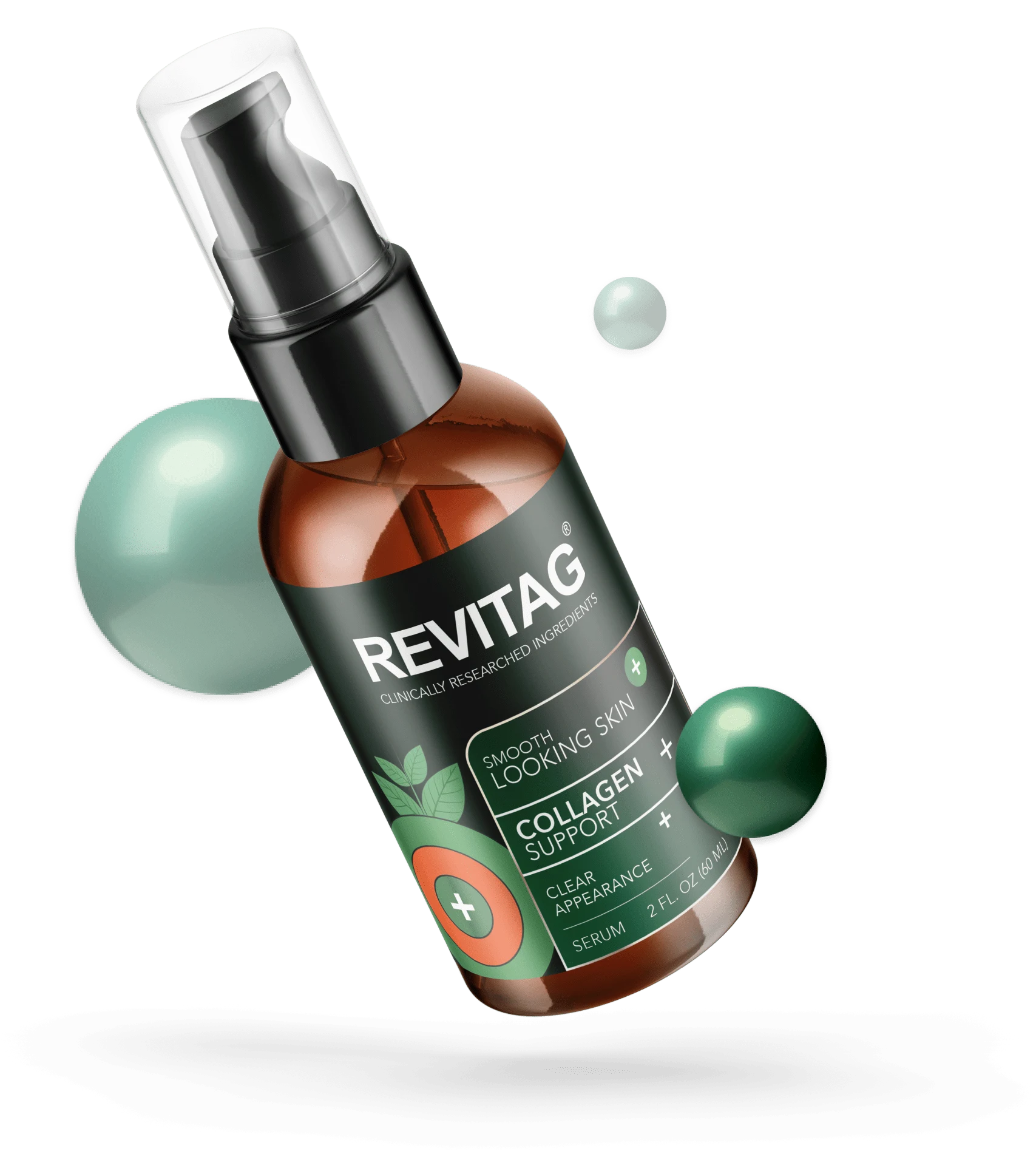
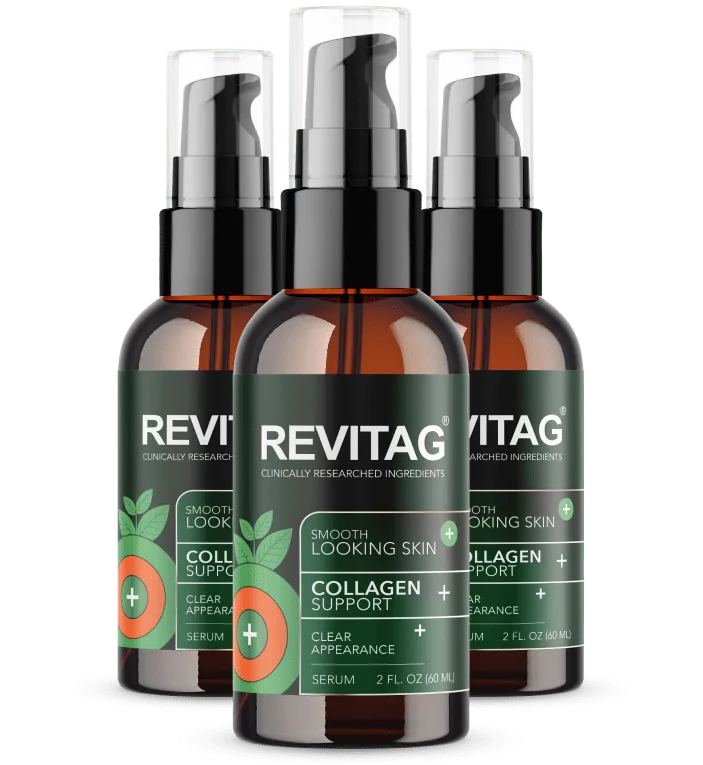
Ready for naturally clearer skin? Discover how ReviTag can help you achieve a smoother, blemish-free complexion.
Learn More About ReviTag
The Power of ReviTag: Key Benefits for Your Skin
While Vitamin E provides foundational benefits for skin health, a comprehensive approach often requires a blend of synergistic ingredients. ReviTag is designed as a powerful natural supplement that supports overall dermatological wellness, specifically targeting common skin concerns like skin tags and blemishes. Here are the key benefits you can expect from incorporating ReviTag into your daily routine:
1
Supports Natural Skin Healing
ReviTag's carefully selected ingredients work in harmony to bolster your body's innate ability to repair and regenerate skin cells. This support is crucial for maintaining healthy skin structure and function, ensuring your skin can effectively bounce back from daily environmental stressors and minor irritations.
2
Promotes a Smoother Complexion
By aiding in cellular renewal and providing essential nutrients, ReviTag helps to refine skin texture. Regular use can lead to a noticeably smoother, more even-toned complexion, reducing the appearance of rough patches and contributing to a more uniform skin surface.
3
Helps Reduce the Appearance of Skin Tags and Blemishes
This is ReviTag's core strength. Its unique blend of natural compounds is specifically formulated to target and diminish the visibility of skin tags, moles, and other benign blemishes. Users often report a gradual reduction in size and prominence, leading to clearer-looking skin without invasive procedures.
4
Enhances Skin Elasticity and Hydration
Optimal skin health relies on good elasticity and hydration. ReviTag includes ingredients that support the skin's natural moisture barrier, helping it retain essential hydration. This improved elasticity and plumpness contribute to a youthful appearance and a more resilient skin structure.
5
Provides Antioxidant Protection
Just like Vitamin E, many of ReviTag's ingredients are rich in antioxidants, which combat free radical damage. This protection is vital for shielding skin cells from environmental aggressors, reducing oxidative stress, and preventing premature aging, keeping your skin looking vibrant.
6
Supports a Healthy Inflammatory Response
Chronic inflammation can lead to various skin issues, including redness and irritation. ReviTag contains compounds known for their ability to support a balanced inflammatory response within the skin, fostering a calmer environment that promotes healing and reduces discomfort.
ReviTag's Natural Blend: Ingredients for Radiant Skin
ReviTag harnesses the power of nature with a meticulously chosen blend of ingredients, each selected for its scientifically recognized role in supporting skin health and addressing common blemishes. This synergistic formula is designed to work from within, promoting a clearer, smoother complexion.
🌿
Vitamin E (Tocopherols)
Role: A potent antioxidant that protects skin cells from oxidative damage, supports skin repair, and enhances moisture retention. Essential for maintaining skin barrier integrity and elasticity, which can help in the appearance of scars and marks, and overall healthy skin structure.
🍃
Mushroom Complex (Shiitake & Reishi)
Role: Rich in antioxidants and polysaccharides, these medicinal mushrooms are known for their immune-modulating and anti-inflammatory properties. They support skin regeneration, offer protection against environmental stressors, and contribute to an even skin tone by addressing hyperpigmentation.
🍀
Curcumin (Turmeric Extract)
Role: A powerful anti-inflammatory and antioxidant compound. Curcumin helps reduce redness and irritation, supports wound healing, and can inhibit enzymes that degrade skin elasticity. It's also recognized for its potential to lighten dark spots and improve overall skin radiance.
🌸
Aloe Vera Leaf Extract
Role: Renowned for its soothing, healing, and moisturizing properties. Aloe Vera promotes healthy cell growth, reduces inflammation, and hydrates the skin deeply. It aids in calming irritated skin and can support the fading of marks over time by encouraging healthy skin turnover.
🍂
Zinc
Role: An essential trace mineral crucial for skin health, wound healing, and immune function. Zinc plays a vital role in collagen synthesis, cellular repair, and reducing inflammation. It helps control oil production and has antimicrobial properties, which can benefit blemish-prone skin.
🌾
Burdock Root
Role: Traditionally used for skin conditions, Burdock Root is known for its purifying and detoxifying properties. It supports liver function, which is often linked to skin clarity, and possesses anti-inflammatory and antibacterial effects that can help improve complexion and reduce blemishes.
This synergistic blend ensures that ReviTag doesn't just address symptoms but supports the underlying health of your skin. For individuals with specific health considerations, like those looking for a skin tag supplement for diabetics, understanding ingredient profiles is crucial for making informed and safe choices.
⏰
March 2026 Special: Save $30/bottle — Limited stock at this price. 3,842 bottles sold this week.
Transform Your Skin with ReviTag Today!
Don't let skin tags and blemishes diminish your confidence any longer. ReviTag offers a natural, effective solution to support healthier, clearer, and smoother skin. Experience the power of carefully selected ingredients working in harmony to rejuvenate your complexion from within.
- ✓ All-natural, clinically-backed ingredients
- ✓ Targets skin tags, moles, and blemishes naturally
- ✓ Promotes overall skin health and radiance
- ✓ Manufactured in a GMP-certified facility in the USA
- ✓ No harsh chemicals or invasive procedures
Regular Price: $99/bottle
Special Offer: $69/Bottle
Save $30 per bottle — limited time only
ORDER REVITAG NOW
✓
60-Day Money-Back Guarantee
What Our Customers Are Saying
★★★★★
"I was skeptical about natural solutions for my old acne marks, but after a few months, I've noticed a significant improvement in texture and discoloration. My skin feels much smoother!"
— Sarah L., Austin, TX
✓ Verified Purchase
★★★★★
"ReviTag has been a game-changer for my skin. Not only have my blemishes started to fade, but my overall complexion looks healthier and more vibrant. I highly recommend it!"
— Mark T., Miami, FL
✓ Verified Purchase
★★★★★
"Dealing with skin tags has always been a nuisance. I tried ReviTag, and I'm genuinely impressed. They're definitely shrinking, and my skin feels much clearer. Plus, it's all-natural!"
— Jessica P., Denver, CO
✓ Verified Purchase
Frequently Asked Questions
How long does it take for Vitamin E to show results on scars?
+
The time it takes for Vitamin E to show results on scars can vary significantly depending on the scar's age, type, severity, and individual skin healing capacity. Generally, newer scars tend to respond better and faster than older ones. Consistent application, usually twice daily, over several weeks to months (e.g., 2-6 months) is often recommended before expecting noticeable changes. For some, improvements might be subtle, while others may see more pronounced fading and softening of the scar tissue. Patience and consistency are key.
Can Vitamin E completely remove old scars and stretch marks?
+
While Vitamin E is a powerful antioxidant and can support skin healing, it's generally not considered a "miracle cure" for completely removing old scars or stretch marks. It can help improve their appearance by promoting skin regeneration, enhancing elasticity, and reducing inflammation, leading to a softer, smoother, and less noticeable scar. However, deep or very old scars, including mature stretch marks, may only see partial improvement. For complete removal, professional dermatological treatments like laser therapy, micro-needling, or surgical revision are often required.
Are there any side effects of using Vitamin E topically for skin?
+
While generally safe for topical use, some individuals may experience side effects when applying Vitamin E directly to the skin. The most common reactions include contact dermatitis, characterized by redness, itching, rash, or irritation at the application site. This is often due to an allergic reaction to Vitamin E itself or other ingredients in the product (e.g., carrier oils). It's always advisable to perform a patch test on a small, inconspicuous area of skin before widespread application. If irritation occurs, discontinue use.
How does ReviTag complement the benefits of Vitamin E for skin health?
+
ReviTag is formulated with a blend of natural ingredients designed to support overall skin health, which synergizes with the benefits of Vitamin E. While Vitamin E provides antioxidant protection and aids in skin repair, ReviTag's unique combination of compounds works to address skin tags and blemishes specifically, while also promoting a healthy skin environment. By nourishing the skin from within, ReviTag can enhance elasticity, support natural healing processes, and contribute to a clearer, smoother complexion, making it a comprehensive approach alongside topical Vitamin E use.
What types of skin marks and blemishes does ReviTag target?
+
ReviTag is primarily formulated to help reduce the appearance of common skin concerns such as skin tags, moles, and other benign blemishes. Its natural ingredients are selected for their properties that support the body's natural processes to dry out, shrink, and eventually eliminate these growths. While the article discusses general scars and marks where Vitamin E is beneficial, ReviTag's targeted action is specifically for those seeking a natural, non-invasive solution for unsightly skin tags and certain types of blemishes.
Is ReviTag suitable for all skin types, including sensitive skin?
+
ReviTag is made with all-natural ingredients and is designed to be gentle on the skin. However, as with any supplement or topical product, individual reactions can vary. While many users with various skin types, including sensitive skin, have reported positive experiences, it's always recommended to review the full ingredient list to check for any known personal sensitivities. If you have extremely sensitive skin or a history of allergic reactions, consulting with a dermatologist before starting any new supplement regimen is advisable to ensure it's the right choice for you.