Tired of Unwanted Skin Tags? Discover Their Root Causes and Effective Management
Skin tags, also known as acrochordons, are common benign skin growths that affect millions worldwide. While generally harmless, they can be a source of irritation, discomfort, and self-consciousness for many individuals. Understanding why these small, soft protrusions develop on our skin is the first step toward effective management and prevention.
From genetic predispositions to lifestyle factors, the causes of skin tags are often multifactorial. This article delves deep into the scientific and anecdotal reasons behind their formation, offering a clear perspective on understanding their underlying causes and exploring various solutions to achieve healthier, smoother skin. Let's embark on a journey to demystify skin tags and empower you with knowledge.
What Exactly Are Skin Tags?
Before we delve into why skin tags form, it's crucial to understand what they are. These small, soft, skin-colored or brownish growths are medically known as acrochordons. They are benign, meaning non-cancerous, and typically harmless.
Skin tags are composed of loose collagen fibers and blood vessels surrounded by skin. They often appear as a small piece of hanging skin, attached to the body by a stalk or peduncle. Common areas for their development include the neck, armpits, groin folds, eyelids, and under the breasts – essentially any place where skin frequently rubs against skin or clothing. While they don't usually cause pain, they can become irritated, inflamed, or bleed if caught on jewelry or clothing. Their presence is primarily a cosmetic concern for most individuals, leading many to seek ways to understand their formation and explore removal options for clearer skin.
The Primary Culprits: Why Do Skin Tags Really Form?
The exact cause of skin tag formation isn't always singular; rather, it's often a combination of several factors. Research points to a variety of influences, from mechanical stress to metabolic and hormonal changes.
One of the most widely accepted theories behind skin tag development is **friction**. When skin repeatedly rubs against skin or clothing, it can cause irritation and the proliferation of skin cells, leading to these small growths. This explains their common appearance in skin folds such as the armpits, groin, and neck. The friction theory is supported by the observation that individuals who are overweight or obese often experience more skin tags, as they tend to have more prominent skin folds and increased rubbing.
Beyond friction, **genetics** play a significant role. If your parents or other close family members have skin tags, you are more likely to develop them yourself. This suggests a hereditary predisposition that influences an individual's susceptibility to these growths. It's not uncommon for people to notice skin tags appearing around the same age or in similar locations as their relatives.
Another major contributing factor is **insulin resistance** and conditions like **Type 2 Diabetes**. Studies have shown a strong correlation between elevated blood sugar levels, insulin resistance, and the increased prevalence of skin tags. High insulin levels can stimulate the growth factors in the skin, leading to the formation of these benign tumors. This link highlights the importance of managing metabolic health for overall skin wellness.
**Hormonal changes** are also implicated, particularly during pregnancy. Pregnant women often report an increase in skin tags, which is thought to be due to hormonal fluctuations and increased weight gain during this period. These tags may sometimes disappear after childbirth, but often they persist. Other hormonal shifts, such as those occurring during menopause, can also influence their development.
As we age, the likelihood of developing skin tags increases. This is likely due to a combination of factors, including cumulative friction over time, changes in skin elasticity, and a general slowing of cellular regeneration processes. The skin naturally loses some of its firmness and elasticity, making it more prone to forming these growths. This age-related prevalence means that **aging** is a significant, albeit unavoidable, factor.
Some research has explored a potential link between **Human Papillomavirus (HPV)** and skin tags, though this connection is not as firmly established as other causes. Certain strains of HPV have been detected in skin tags, suggesting that viral infections might play a role in some cases, contributing to abnormal cell growth. However, more extensive research is needed to fully understand this relationship.
Finally, the breakdown and disorganization of **collagen and elastin fibers** within the skin's connective tissue can also contribute to skin tag formation. These fibers are crucial for maintaining skin structure and elasticity. When they become loose or clump together, they can form the core of a skin tag. Supporting healthy collagen production and skin elasticity through proper nutrition and supplementation, such as with a collagen supplement for skin renewal, can be beneficial for overall skin health.
💡 Key Takeaway
Skin tags form primarily due to a combination of friction, genetic predisposition, metabolic factors like insulin resistance, hormonal changes (especially during pregnancy), and the natural aging process. Understanding these underlying causes is essential for both prevention and choosing appropriate management strategies.
Understanding the Mechanism: How Skin Tags Develop
While the causes are varied, the actual mechanism of skin tag development involves a localized overgrowth of skin cells and connective tissue. It's a fascinating process that reveals the skin's intricate biology.
At a microscopic level, skin tags are essentially small, benign tumors that consist of a central core of connective tissue, including **collagen fibers and blood vessels**, covered by an outer layer of epidermis (the outermost layer of skin). The development often begins with the repeated stretching or rubbing of skin, which can lead to a localized area of irritation. This irritation triggers the **proliferation of fibroblasts** (cells that produce collagen) and keratinocytes (skin cells).
The increased cellular activity, combined with the loosening and disorganization of **collagen bundles** and elastic fibers, starts to form a small protrusion. As this process continues, the skin tag elongates, forming its characteristic stalk or peduncle, which allows it to hang off the skin surface. Blood vessels grow into this stalk to supply the developing tissue. In individuals with insulin resistance, elevated levels of insulin-like growth factor 1 (IGF-1) are believed to stimulate the growth of keratinocytes and fibroblasts, further accelerating this process.
The skin's natural healing and regenerative processes, when overstimulated or disrupted by the aforementioned factors, can inadvertently lead to these benign growths. It's a testament to the complex interplay between our internal bodily functions and external environmental stressors that ultimately dictate our skin's appearance and health.
Proactive Steps: Preventing and Managing Skin Tags
While some factors like genetics and aging are beyond our control, many lifestyle adjustments and preventative measures can significantly reduce the likelihood of skin tag formation and help manage existing ones.
Reduce Friction
One of the most effective ways to prevent skin tags is to minimize skin-on-skin or skin-on-clothing friction. Wear loose-fitting clothing, especially in warmer climates, and opt for breathable fabrics like cotton. Pay attention to areas prone to rubbing, such as the neck, armpits, and inner thighs, and consider using anti-chafing products if needed.
Maintain a Healthy Weight
Since obesity and excess weight are strongly linked to skin tag formation due to increased skin folds and friction, achieving and maintaining a healthy weight can be a powerful preventative measure. A balanced diet and regular exercise not only benefit your overall health but also contribute to clearer skin by reducing areas of friction and improving metabolic balance.
Manage Blood Sugar Levels
Given the strong correlation between skin tags and insulin resistance or diabetes, actively managing your blood sugar is crucial. This involves a diet low in refined sugars and carbohydrates, regular physical activity, and if necessary, working with your doctor to manage any underlying metabolic conditions. Stabilizing insulin levels can help curb the growth factors that contribute to skin tag development.
Adopt a Healthy Diet and Hydration
A diet rich in antioxidants, vitamins, and minerals supports overall skin health and can help the body's natural regenerative processes. Foods like fruits, vegetables, whole grains, and lean proteins provide the necessary nutrients. Adequate hydration is also vital for skin elasticity and resilience, making it less susceptible to various blemishes and growths.
Practice Gentle Skincare
Using mild, non-irritating skincare products can prevent unnecessary stress on the skin. Avoid harsh scrubs or chemicals in areas prone to skin tags. Keeping the skin clean and moisturized helps maintain its barrier function and overall health, potentially reducing the conditions favorable for skin tag formation.
Consider Natural Support Options
For existing skin tags, many individuals seek natural, non-invasive solutions. Products formulated with plant-based ingredients can gently work to dry out and encourage the shedding of skin tags over time. These approaches often aim to support the skin's natural healing process. For more detailed information, consider exploring natural skin health relief remedies.
When to Consult a Dermatologist
While most skin tags are benign and harmless, it's important to be vigilant about any changes in your skin. Consulting a dermatologist is always recommended if you have concerns.
Changes in Size or Color
If a skin tag suddenly grows larger, changes color, or develops irregular borders, it's important to have it examined by a dermatologist to rule out any more serious skin conditions.
Pain, Bleeding, or Itching
While skin tags are typically painless, if one becomes painful, starts bleeding frequently, or causes persistent itching, it warrants professional medical attention. This could indicate irritation or, rarely, another issue.
Multiple New Growths
A sudden eruption of many new skin tags might signal an underlying health issue, such as insulin resistance, diabetes, or hormonal imbalances. A dermatologist can help assess these potential connections.
Uncertainty or Concern
Any time you are unsure about a skin lesion, whether it's a skin tag or something else, it's always best to seek professional medical advice. A dermatologist can provide an accurate diagnosis and discuss safe removal options.
ReviTag: A Natural Approach to Skin Tag & Blemish Support
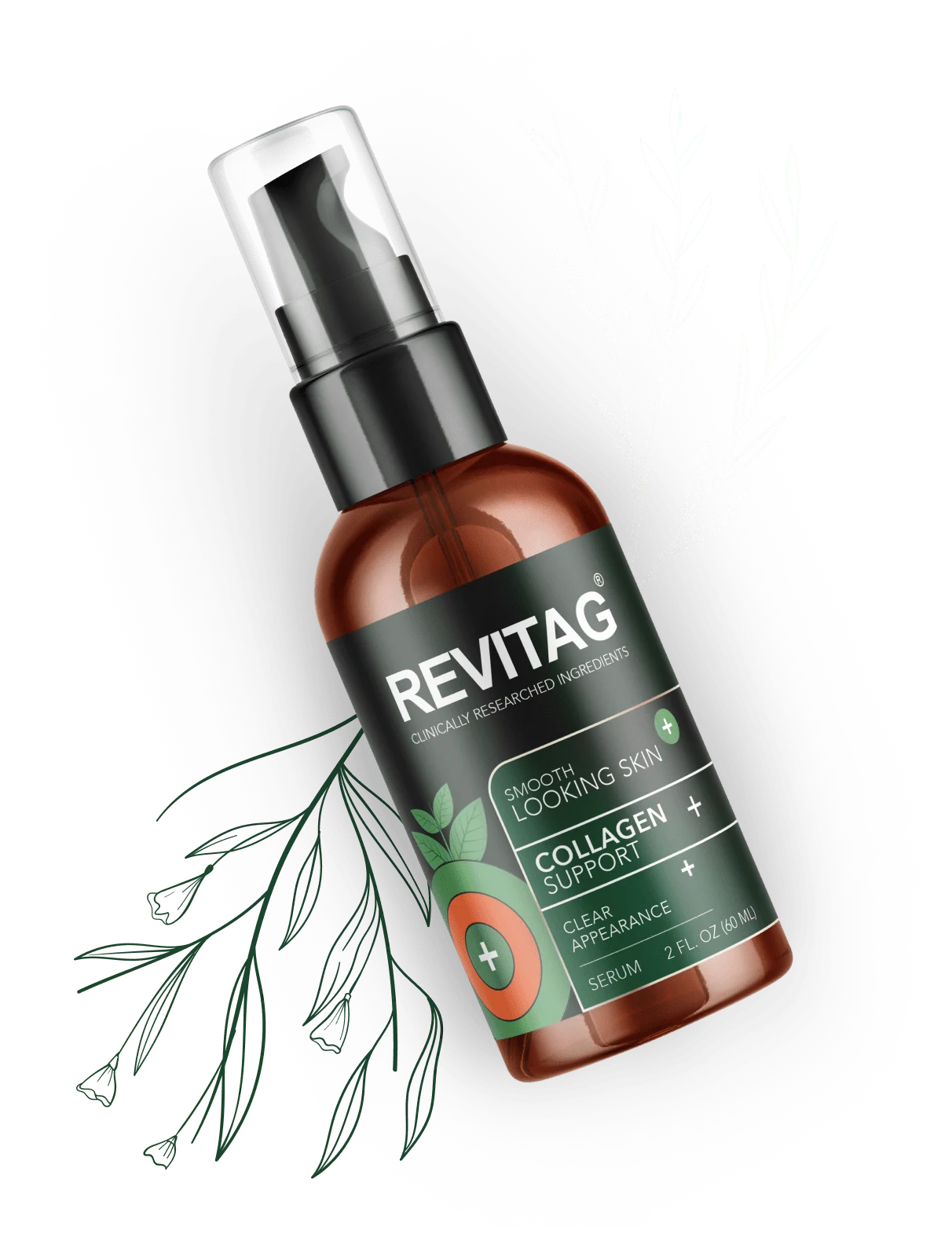
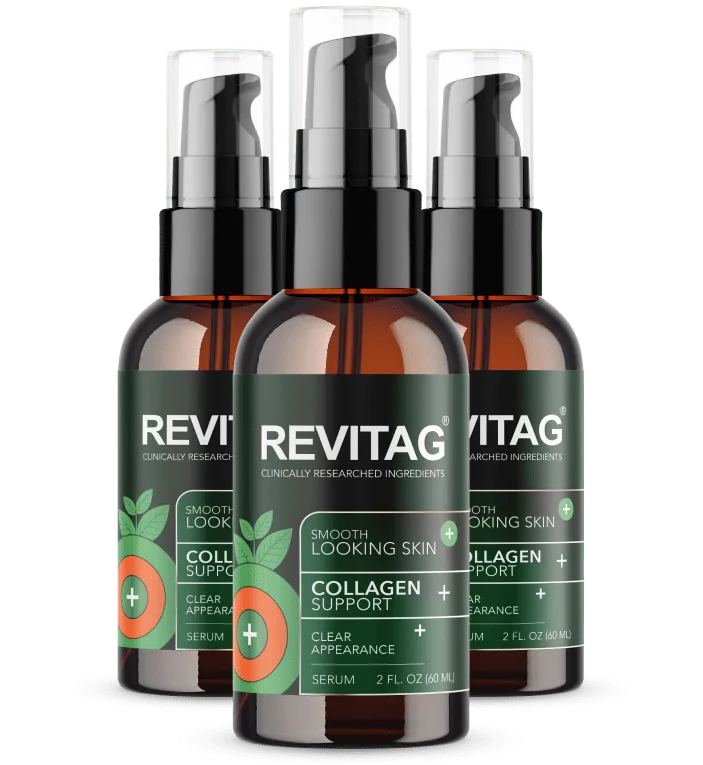
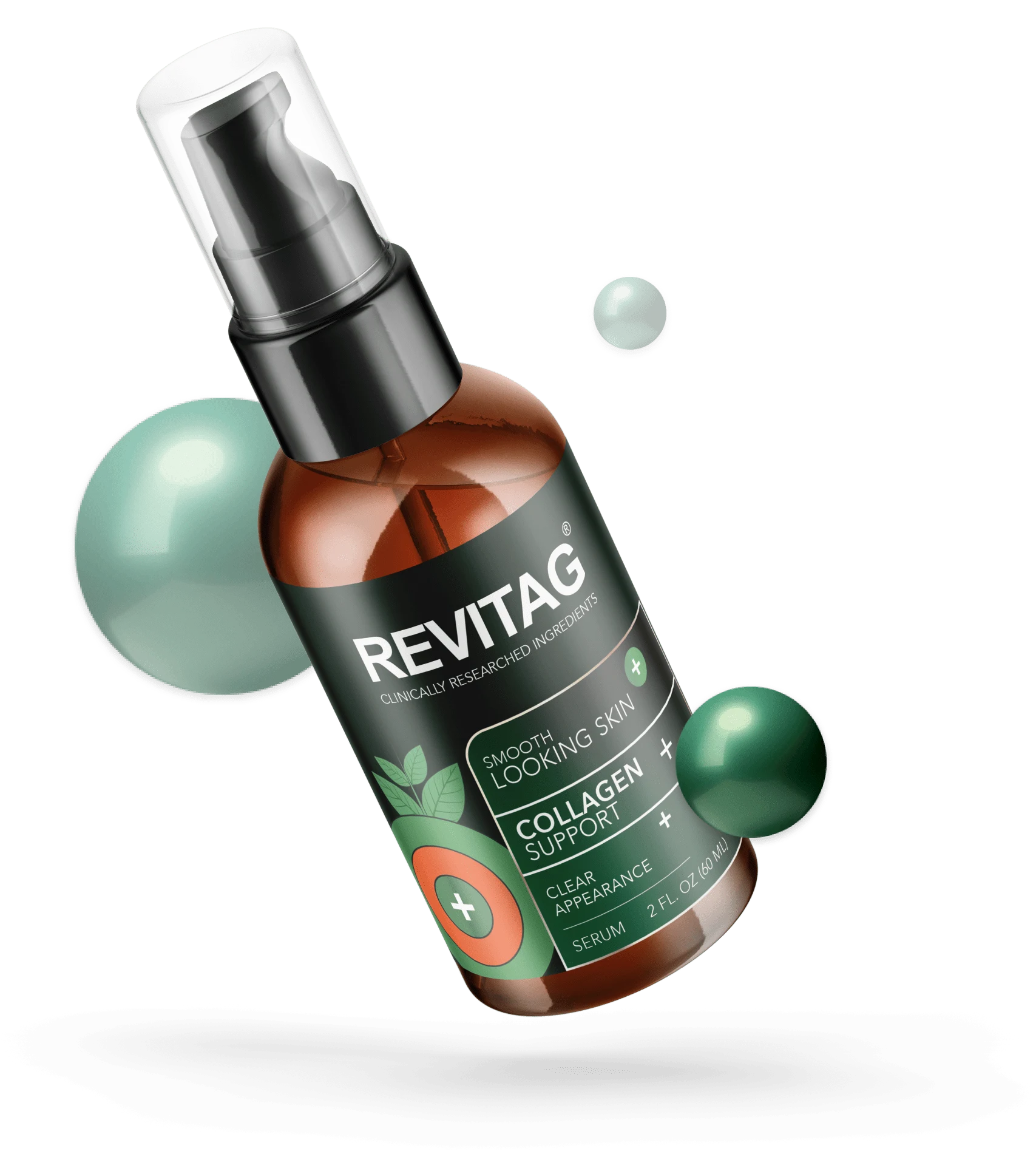
For those seeking a gentle and natural way to address skin tags and blemishes, products like ReviTag offer an alternative to invasive procedures. Formulated with carefully selected ingredients, ReviTag aims to support the skin's natural process of shedding unwanted growths.
Sanguinaria Canadensis (Bloodroot)
Role: A traditional herb known for its potential to stimulate cellular activity and promote the natural drying and shedding of skin growths. It's often used in topical applications for its skin-renewing properties.
Zincum Muriaticum (Zinc Chloride)
Role: A powerful mineral compound with astringent and antiseptic qualities. It works by creating a scab over the skin tag, aiding in its natural removal while supporting the underlying skin's healing process.
Aloe Vera
Role: Renowned for its soothing and healing properties, Aloe Vera helps calm irritated skin, reduces inflammation, and supports skin regeneration, making the removal process gentler and promoting healthy skin underneath.
Green Tea Extract
Role: A potent antioxidant, Green Tea Extract protects skin cells from damage, reduces inflammation, and can contribute to overall skin health and repair, supporting a clearer complexion.
Apple Cider Vinegar
Role: With its mild acidic properties, Apple Cider Vinegar is believed to help break down the excess tissue in skin tags, aiding in their gradual drying and detachment. It also possesses antiseptic qualities.
Tea Tree Oil
Role: A well-known natural antiseptic and anti-inflammatory agent. Tea Tree Oil can help cleanse the area, reduce potential irritation, and contribute to the drying process of skin tags, promoting their natural fall-off.
ReviTag's carefully balanced formula leverages these and other ingredients to provide a comprehensive approach to addressing skin tags and blemishes, offering a non-invasive path towards smoother skin. For those interested in a broader range of natural options for skin health, exploring natural remedies for skin tags and blemishes can provide additional insights.
Ready for Clearer, Healthier-Looking Skin?
Don't let skin tags diminish your confidence. ReviTag offers a natural, easy-to-use solution designed to gently and effectively address skin tags and blemishes, revealing the smooth, clear skin you deserve.
- ✓ All-Natural & Gentle Formula
- ✓ Pain-Free Application
- ✓ Visible Results in Weeks
- ✓ Suitable for All Skin Types
- ✓ Made in USA in GMP Certified Facility



What Our Customers Are Saying
"I've struggled with skin tags on my neck for years, feeling self-conscious about them. ReviTag was a game-changer! Within a few weeks, they started to dry up and fall off without any pain. My skin feels so much smoother now."
"I was skeptical about a natural solution, but ReviTag truly delivered. I had a stubborn skin tag under my arm that was constantly irritated. After consistent use, it's completely gone. No scars, just clear skin. Highly recommend!"
"Being pregnant, new skin tags appeared, and I was hesitant to use harsh chemicals. ReviTag was gentle and effective. It helped clear my skin tags naturally, and I felt safe using it. My skin looks great!"
Frequently Asked Questions
What exactly are skin tags?
+Skin tags, medically known as acrochordons, are small, soft, benign growths that commonly appear on the skin. They are typically flesh-colored or slightly darker, ranging in size from a few millimeters to about 5 centimeters. They often develop in areas where skin rubs against skin or clothing, such as the neck, armpits, groin, eyelids, and under the breasts.
Are skin tags dangerous or a sign of serious health issues?
+Generally, skin tags are harmless and benign. They are not cancerous and do not usually cause pain or discomfort unless they become irritated by friction or snagged by jewelry. While they are usually just a cosmetic concern, a sudden increase in their number or changes in their appearance might sometimes be associated with underlying health conditions like insulin resistance or hormonal imbalances, which should be discussed with a healthcare professional.
Who is most likely to develop skin tags?
+Skin tags are very common, affecting a significant portion of the adult population. They tend to occur more frequently in individuals who are overweight or obese, those with diabetes or insulin resistance, pregnant women due to hormonal shifts, and older adults. Genetics also play a role, as skin tags often run in families. People who experience a lot of skin-on-skin friction are also at higher risk.
Can skin tags be prevented, or their formation reduced?
+While complete prevention might not always be possible, especially if there's a genetic predisposition, several lifestyle adjustments can help reduce the likelihood of new skin tags forming. These include maintaining a healthy weight, managing blood sugar levels, wearing loose clothing to minimize friction, and adopting a balanced diet rich in antioxidants. Regular, gentle skincare can also contribute to overall skin health.
What are the common methods for removing skin tags?
+Dermatologists can remove skin tags through various methods, including cryotherapy (freezing with liquid nitrogen), surgical excision (cutting them off), cauterization (burning them off), or ligation (tying off the base with surgical thread). For those seeking less invasive options, natural topical solutions like ReviTag can be applied to help dry out and shed skin tags over time. It's always best to consult a healthcare professional before attempting any removal method.
How does ReviTag work to address skin tags and blemishes?
+ReviTag is formulated with a blend of natural ingredients designed to gently and effectively address skin tags and blemishes. Its active components work to penetrate the skin tag, drying it out and prompting its natural detachment without pain or scarring. Ingredients like Sanguinaria Canadensis and Zincum Muriaticum are known for their traditional use in skin health, while others support skin healing and rejuvenation, offering a non-surgical alternative for clearer skin.
Related Articles