Are those new skin tags normal during pregnancy?
Pregnancy is a time of incredible transformation, not just internally, but externally too. Your body undergoes a myriad of changes, and while some are celebrated, others, like the sudden appearance of skin tags, can be a source of confusion or concern.
If you've noticed new, small, flesh-colored growths on your skin since becoming pregnant, you're certainly not alone. These common benign growths, known as skin tags or acrochordons, often emerge or multiply during gestation, leaving many expectant mothers wondering about their causes, safety, and potential solutions. Understanding these changes is key to embracing your pregnancy journey with peace of mind.
The Phenomenon of Skin Tags During Pregnancy
Skin tags, medically known as acrochordons, are small, soft, benign growths that commonly appear on the skin. They are typically flesh-colored or slightly darker, ranging in size from a tiny speck to a pea-sized bump, and are often attached to the skin by a small stalk or peduncle. While they can occur anywhere on the body, they are most frequently found in areas where skin rubs against skin or clothing.
During pregnancy, many women notice an increase in the number or size of existing skin tags, or the appearance of entirely new ones. This dermatological change is so common that it's often considered a normal, albeit sometimes bothersome, aspect of gestation. The exact mechanisms are complex, involving a interplay of hormonal, metabolic, and physical factors specific to the pregnant state. Understanding these underlying causes can help demystify their appearance and reassure expectant mothers that these growths are almost always harmless.
It's important to differentiate skin tags from other skin growths. Unlike moles, which are usually darker and can sometimes be a concern for malignancy, skin tags are soft, movable, and typically match your skin tone. They are not cancerous and do not pose any health risk to you or your baby. However, their presence can sometimes lead to irritation, especially if they are in areas prone to friction, like under the breasts, in the armpits, or around the neck where jewelry might rub.
💡 Key Takeaway
Skin tags are benign skin growths that are very common during pregnancy, primarily due to hormonal shifts and increased friction. They are generally harmless and not a cause for medical concern, though their appearance can be unsettling.
Why Do Skin Tags Appear During Pregnancy? Unpacking the Causes
The precise reasons why skin tags are more prevalent in pregnancy are not fully understood, but several contributing factors are widely recognized by dermatologists. These factors often combine to create an environment conducive to the formation of these small skin growths.
Hormonal Fluctuations
Pregnancy brings about a surge in various hormones, most notably estrogen and progesterone. These elevated hormone levels are believed to play a significant role in stimulating the growth of skin cells and connective tissues, leading to the formation of new skin tags. The body's entire system is adapting, and skin is no exception.
Weight Gain and Friction
As pregnancy progresses, many women experience natural weight gain. This can lead to increased skin folds and areas where skin rubs against skin, such as the neck, armpits, groin, and under the breasts. This constant friction and irritation are major catalysts for skin tag development, as the skin responds by producing excess cells.
Insulin Resistance
Some studies suggest a link between skin tags and insulin resistance, which can sometimes occur or worsen during pregnancy (gestational diabetes). High levels of insulin in the bloodstream are thought to promote skin cell growth, contributing to skin tag formation. It's a complex metabolic interplay.
Genetic Predisposition
If your mother or other close relatives experienced skin tags during their pregnancies, or generally have a tendency to develop them, you might be more predisposed. Genetics can play a role in how your skin responds to hormonal and physical changes.
Increased Growth Factors
The body produces various growth factors during pregnancy to support fetal development and maternal tissues. These same growth factors might also inadvertently stimulate the proliferation of skin cells, leading to skin tag formation in susceptible individuals.
Collagen & Elastin Changes
Pregnancy can affect the collagen and elastin fibers in the skin, which provide its structure and elasticity. Changes in these proteins, combined with stretching skin, might create conditions where skin tags are more likely to form, particularly in areas under tension or friction.
Are Skin Tags During Pregnancy Safe?
One of the most pressing questions for expectant mothers is whether these new skin growths pose any risk to their health or the baby's. The good news is, in the vast majority of cases, skin tags are completely benign and harmless.
Skin tags are non-cancerous (benign) tumors of the skin. They are not contagious and do not spread disease. Their presence during pregnancy is a common physiological response to the body's altered state, not an indicator of any underlying serious health problem for either you or your baby. You can rest assured that these growths will not affect your pregnancy's outcome or your baby's development.
While skin tags themselves are safe, they can sometimes become irritated or uncomfortable. This usually happens if they are located in areas where they get rubbed by clothing, jewelry, or skin folds. Irritation can lead to redness, minor bleeding, or tenderness. In rare cases, a skin tag might twist on its stalk, cutting off its blood supply, which can cause it to become painful and change color (darken or turn purple). If this occurs, it's advisable to consult your doctor or dermatologist.
It's always wise to monitor any new skin growths. If a skin tag changes rapidly in color, size, or shape, or if it causes significant pain or bleeding, it's important to have it checked by a healthcare professional. While highly unlikely to be serious, a doctor can confirm the diagnosis and rule out any other dermatological concerns. Your peace of mind is paramount during this special time.
When to Consult Your Doctor About Skin Tags During Pregnancy
While most skin tags are harmless, there are specific situations when it's prudent to seek medical advice from your obstetrician or a dermatologist.
Firstly, if a skin tag becomes symptomatic – meaning it's causing you pain, bleeding, itching, or showing signs of infection (like pus or increasing redness) – it warrants medical attention. This is especially true if the skin tag is in an area that is frequently irritated, such as under the bra strap or in a skin fold. Your doctor can assess the situation and recommend appropriate, safe interventions, even during pregnancy.
Secondly, if you notice any unusual changes in a skin tag, such as a rapid increase in size, a change in color (especially to very dark brown or black), an irregular border, or if it feels firm and doesn't move easily, it's important to have it examined. While skin tags are almost always benign, it's crucial to rule out other skin conditions, including very rare cases of atypical moles or other growths that might require different management. A professional diagnosis ensures clarity and appropriate care.
Lastly, if the skin tags are causing significant cosmetic distress or psychological discomfort, discussing your feelings with your doctor can be beneficial. While elective removal procedures are often postponed until after pregnancy, your doctor can provide reassurance and discuss potential safe options or strategies for managing discomfort until then. Remember, your overall well-being, including emotional health, is an important part of a healthy pregnancy.
Safe Approaches to Managing Skin Tags During Pregnancy
When it comes to addressing skin tags during pregnancy, the emphasis is always on safety and minimizing any potential risk to you or your baby. While surgical removal is an option, it's often deferred until postpartum unless absolutely necessary.
Monitor and Observe
For most skin tags that are not causing any discomfort, the safest approach during pregnancy is simply to monitor them. Keep an eye on any changes in size, shape, or color, and report anything unusual to your doctor. Many smaller tags may even diminish or disappear after childbirth as hormone levels normalize.
Reduce Friction
Since friction is a major contributor to skin tag formation and irritation, try to minimize it. Wear loose-fitting clothing made from natural, breathable fabrics like cotton. Avoid restrictive jewelry around your neck or wrists if skin tags are present there. Keeping skin folds dry can also help prevent irritation and growth.
Topical Natural Remedies (with caution)
Some natural remedies are often suggested for skin tag removal. These include apple cider vinegar, tea tree oil, and certain botanical extracts. While these might be considered for non-pregnant individuals, it is absolutely crucial to consult your healthcare provider before applying any topical treatment during pregnancy, even natural ones, to ensure they are safe and appropriate for your condition. For more natural approaches, you might find useful information in our article on how to remove skin tags naturally at home, but always verify with your doctor first.
Postpartum Professional Removal
If skin tags persist after delivery and continue to bother you, professional removal options become readily available and safe. These include cryotherapy (freezing), excision (surgical removal), or electrocautery (burning). These procedures are typically quick, minimally invasive, and can effectively remove bothersome skin tags with minimal scarring. Discuss these options with your dermatologist after your baby arrives.
Manage Underlying Conditions
If your skin tags are linked to insulin resistance or gestational diabetes, working with your healthcare provider to manage these conditions effectively can sometimes help reduce the proliferation of skin tags. Maintaining a balanced diet and healthy lifestyle, as recommended by your doctor, is beneficial for overall health and can indirectly impact skin health.
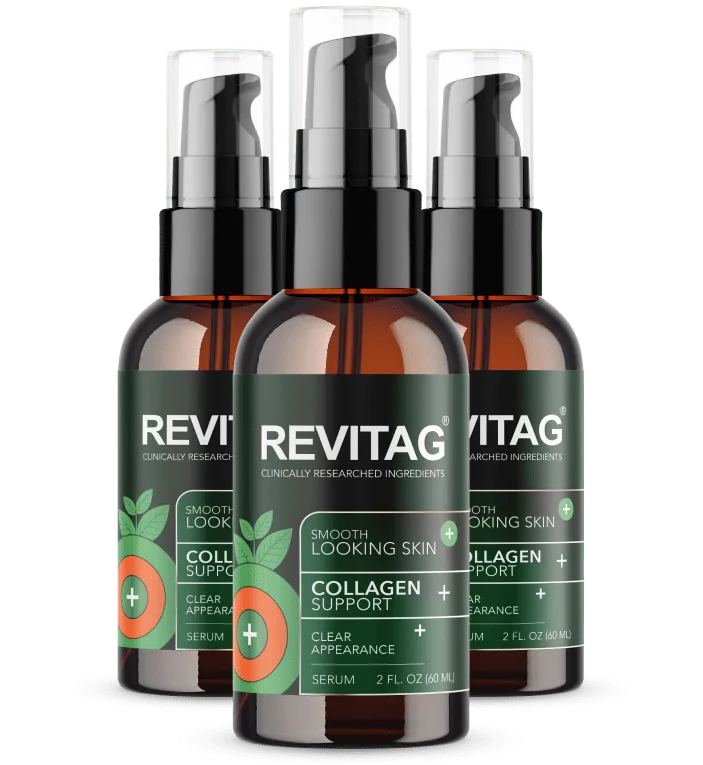
Understanding ReviTag: A Natural Approach to Skin Blemish Support
For those seeking a gentle, natural solution to support skin health and address blemishes like skin tags, especially after pregnancy or with careful consultation during, products like ReviTag offer an alternative. ReviTag is formulated with a blend of natural ingredients known for their skin-supporting properties, aiming to help diminish the appearance of skin tags and promote clearer, healthier skin.
ReviTag is designed to work by targeting the root causes of skin tag formation, utilizing ingredients that support skin regeneration, reduce inflammation, and improve overall skin resilience. While specifically designed for general use, its natural formulation is appealing to individuals who prefer holistic methods. It's important to remember that during pregnancy, any supplement or topical application should be discussed with your healthcare provider to ensure it aligns with your specific health needs and safety protocols.
The product emphasizes a non-invasive approach, focusing on topical application to help dry out and naturally shed skin tags over time. This gentle method is often preferred over surgical options for cosmetic concerns, providing a convenient and at-home solution. Many users have shared positive experiences, noting visible improvements in their skin's appearance. You can read more about their journeys on our customer testimonials page.
Key Natural Ingredients in ReviTag for Skin Support
ReviTag harnesses the power of nature to provide comprehensive support for clear, blemish-free skin. Each ingredient is carefully selected for its unique properties that contribute to the product's effectiveness.
Sanguinaria Canadensis (Bloodroot)
Known for its traditional use in Native American medicine, Bloodroot contains potent alkaloids that are believed to help break down abnormal skin cells and stimulate the body's natural healing processes. It's often used in topical applications for skin growths.
Dose: Traditional Topical Use
Zincum Muriaticum (Zinc Chloride)
A mineral compound with strong antiseptic and astringent properties. When applied topically, it creates a mild escharotic effect, helping to gently dry out and cause the skin tag tissue to slough off, promoting healing underneath.
Dose: Topical Application
Tea Tree Oil (Melaleuca Alternifolia)
Renowned for its antiseptic, antifungal, and antiviral properties. Tea Tree Oil can help dry out skin tags and support healthy skin regeneration. Its anti-inflammatory benefits also soothe irritated skin around the blemish.
Dose: 5-10% Topical Dilution
Apple Cider Vinegar
The acetic acid in Apple Cider Vinegar is believed to work by breaking down the excess tissue of the skin tag. It also possesses mild antimicrobial properties, contributing to a clean and healthy skin environment during the removal process.
Dose: Diluted Topical Use
Aloe Vera
A powerhouse of soothing and healing compounds, Aloe Vera helps to calm irritated skin, reduce inflammation, and promote cell regeneration. It supports the skin's natural healing after a skin tag has diminished, minimizing scarring.
Dose: Topical Application
Cedar Leaf Oil (Thuja Occidentalis)
Thuja is a homeopathic remedy often used for skin growths. Its oil is believed to possess properties that help to dry out and shrink skin tags and warts, encouraging their natural detachment without aggressive methods.
Dose: Topical Extract
Castor Oil
Known for its emollient properties, Castor Oil helps to keep the skin hydrated while also being traditionally used to treat various skin conditions, including growths. It’s thought to help soften skin tags, making them easier to remove.
Dose: Topical Carrier Oil
Lemon Peel Extract
Rich in citric acid and antioxidants, Lemon Peel Extract can help gently exfoliate the skin and lighten dark spots. It's believed to contribute to the drying and shrinking of skin tags, leaving behind clearer skin.
Dose: Topical Extract
Preventing Skin Tags During Pregnancy: Is It Possible?
While it might not be entirely possible to prevent skin tags from forming during pregnancy due to hormonal factors, there are strategies to minimize their appearance and manage existing ones.
Firstly, maintaining a healthy weight gain throughout pregnancy, as advised by your doctor, can help reduce the amount of skin-on-skin friction. Excessive weight gain can increase skin folds, making skin tags more likely to develop in those areas. Regular, gentle exercise and a balanced diet are beneficial for overall health and can indirectly support skin health.
Secondly, focusing on skin care and hygiene is crucial. Keeping areas prone to skin tags (like armpits, groin, and under breasts) clean and dry can significantly reduce friction and irritation. Using mild, fragrance-free cleansers and ensuring skin is thoroughly dried after bathing can make a difference. Opt for comfortable, breathable clothing, particularly underwear and bras, to prevent chafing.
Lastly, if you have a family history of skin tags or conditions like insulin resistance, discuss these concerns with your healthcare provider. Managing any underlying health issues effectively can potentially mitigate the severity or frequency of skin tag development. While pregnancy is a unique physiological state, proactive health management can always contribute to a more comfortable experience. For more on how health impacts skin, consider reading our article on stress and skin problems.
Ready for Clearer, Smoother Skin?
ReviTag offers a powerful, natural solution designed to help you gently and effectively diminish the appearance of unwanted skin tags and blemishes, revealing your skin's natural radiance.
- ✓ All-Natural & Gentle Formulation
- ✓ Supports Skin Tag & Blemish Removal
- ✓ Promotes Healthy Skin Regeneration
- ✓ Easy & Painless Topical Application
- ✓ Made in USA & GMP Certified



What Our Customers Are Saying
"After my second pregnancy, I developed so many skin tags. ReviTag was a godsend! It worked gently and effectively, and I feel so much more confident in my skin now. No irritation, just clear results."
"I was hesitant to try anything during or after pregnancy, but ReviTag's natural ingredients convinced me. The tags under my armpits were gone within weeks, and my skin feels so much smoother. Highly recommend for new moms!"
"Pregnancy left me with several small tags on my neck. ReviTag was easy to apply and truly made a difference. They just dried up and fell off without any pain. It's a fantastic, natural option."
Frequently Asked Questions
Are skin tags during pregnancy normal?
+Yes, it is very common for new skin tags to appear or existing ones to grow larger during pregnancy. This is often due to hormonal fluctuations, increased weight, and friction, and is generally considered a normal physiological change.
What causes skin tags to appear during pregnancy?
+The primary causes include significant hormonal changes (especially elevated estrogen and progesterone), weight gain, and increased friction from skin rubbing against itself or clothing. Genetic predisposition and insulin resistance can also play a role.
Are skin tags dangerous for me or my baby?
+No, skin tags are almost always benign (non-cancerous) and pose no threat to the mother or the developing baby. They are purely a cosmetic concern, though they can sometimes become irritated if they rub against clothing or jewelry.
Can I remove skin tags during pregnancy?
+While most skin tags are harmless, it's generally advised to avoid elective cosmetic procedures during pregnancy. If removal is desired, it's best to wait until after childbirth. If a skin tag becomes painful or irritated, consult your doctor for safe options.
Will skin tags disappear after pregnancy?
+Some skin tags, particularly smaller ones that appeared during pregnancy, may shrink or even disappear on their own after hormone levels stabilize post-delivery. However, many will remain and may require intervention if removal is desired.
What natural remedies are safe for skin tags during pregnancy?
+For those considering natural approaches during pregnancy, options like apple cider vinegar, tea tree oil (diluted), and certain botanical extracts known for their skin-supporting properties might be explored. Always consult your healthcare provider before trying any home remedy, especially during pregnancy.
Related Articles