Are you noticing more blemishes and skin tags when you're stressed?
It's a common observation, and it's not just in your head. The intricate relationship between your mind and your skin is more profound than many realize. When life throws its curveballs, the physical manifestations often appear right on your skin, signaling an internal imbalance.
From persistent acne breakouts to the unwelcome appearance of new skin tags, stress has a remarkable ability to amplify dermatological concerns. Understanding this connection is the first step toward achieving clearer, healthier skin, as it highlights that true skin health begins from within, encompassing both emotional and physical well-being.
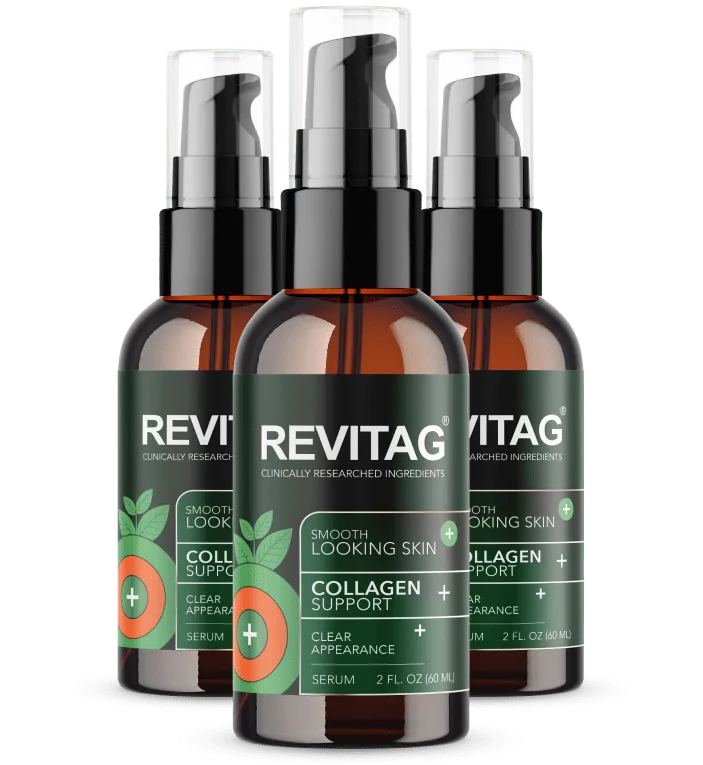
The Mind-Skin Axis: How Stress Impacts Your Dermatology
The concept of the "mind-skin axis" describes the bidirectional communication between the brain and the skin. Our skin, the largest organ, is not just a protective barrier but also a sophisticated sensory organ rich in nerve endings that respond to psychological states. When we experience stress, whether acute or chronic, our body initiates a complex physiological response that directly affects skin health.
At the core of this response is the release of stress hormones, primarily cortisol. Cortisol, while vital for short-term stress management, becomes detrimental when chronically elevated. It can disrupt the skin's natural balance in several ways. Firstly, it can impair the skin's barrier function, making it more permeable and susceptible to irritants, allergens, and moisture loss. This leads to increased dryness, sensitivity, and a compromised defense system. Secondly, cortisol stimulates the sebaceous glands to produce more oil (sebum), contributing to clogged pores and the proliferation of acne-causing bacteria. This hormonal surge often explains why individuals experience sudden breakouts during stressful periods.
Moreover, stress can trigger or exacerbate systemic inflammation. The nervous system releases neuropeptides and neurotransmitters that can directly activate inflammatory pathways in the skin. This chronic, low-grade inflammation is a root cause of many skin conditions, from redness and irritation to more severe inflammatory dermatoses. The immune system also plays a critical role; stress can suppress immune function, making the skin less capable of fighting off infections and healing effectively, or conversely, it can overstimulate immune responses, leading to autoimmune skin conditions to flare up. Understanding these intricate mechanisms is crucial for developing effective strategies to manage stress-related skin issues.
Beyond these direct physiological effects, stress often leads to behavioral changes that indirectly harm the skin. These include poor sleep, an unhealthy diet, increased alcohol or caffeine consumption, and neglecting skincare routines. Many people also engage in nervous habits like picking at their skin, scratching, or touching their face more frequently, all of which can introduce bacteria, cause micro-traumas, and worsen existing blemishes or lead to new ones. The cumulative effect of these internal and external factors paints a clear picture of why stress is such a potent adversary for clear, healthy skin.
💡 Key Takeaway
Stress significantly impacts skin health by increasing cortisol, disrupting the skin barrier, fueling inflammation, and altering immune responses, leading to more blemishes, sensitivity, and exacerbated conditions like skin tags.
Stress and Specific Skin Conditions: Blemishes, Acne, and Skin Tags
While stress can affect skin generally, it has particularly noticeable impacts on specific conditions, turning minor irritations into persistent problems or even causing new ones to emerge.
Acne Breakouts: This is perhaps the most commonly recognized stress-related skin issue. As mentioned, elevated cortisol levels boost oil production, creating a fertile ground for the bacteria P. acnes to thrive. Furthermore, stress can lead to increased inflammation, making existing pimples redder and more painful, and slowing down the healing process. For many, a stressful week translates directly into a week of new breakouts, particularly along the jawline or forehead.
Eczema and Psoriasis Flares: These chronic inflammatory skin conditions are notoriously sensitive to stress. The immune dysregulation caused by stress can trigger severe flare-ups, leading to intense itching, redness, and scaling. Patients often report a direct correlation between periods of high stress and the worsening of their symptoms, creating a vicious cycle where the skin condition itself becomes a source of stress.
Rosacea: Characterized by facial redness, visible blood vessels, and sometimes bumps, rosacea can be significantly aggravated by stress. The neuropeptides released during stress can cause blood vessels to dilate, leading to flushing and increased inflammation, making rosacea symptoms more prominent and uncomfortable.
Hives and Rashes: Stress can directly trigger hives (urticaria) or other stress-induced rashes. These often appear suddenly, are intensely itchy, and can be a direct manifestation of the body's immune system reacting to psychological pressure. The body releases histamine and other inflammatory chemicals, leading to the characteristic itchy welts.
Skin Tags and Other Blemishes: The link between stress and skin tags, while less direct than acne, is increasingly recognized. Skin tags (acrochordons) are benign growths of skin that often appear in areas of friction. While genetics, obesity, and insulin resistance are primary factors, chronic inflammation and hormonal imbalances, both of which are influenced by stress, can create an environment conducive to their development. Stress can also indirectly contribute to other blemishes by slowing cellular turnover, leading to dull skin, clogged pores, and uneven texture. If you're struggling with persistent skin tags, you might find useful information on skin tag removal at home options, though always consult a professional for diagnosis.
Understanding these specific connections empowers us to approach skin health with a more holistic perspective, recognizing that managing our mental and emotional state is just as crucial as the topical products we use.
Holistic Strategies for Managing Stress and Nurturing Your Skin
Addressing the root cause of stress-related skin problems requires a multi-faceted approach that goes beyond just topical treatments. Integrating stress management techniques with a supportive lifestyle can significantly improve skin health and overall well-being.
Mindfulness & Relaxation Practices
Engage in daily meditation, deep breathing exercises, or yoga. These practices help calm the nervous system, reduce cortisol levels, and foster a sense of inner peace. Even 10-15 minutes a day can make a noticeable difference in both your stress levels and your skin's appearance.
Prioritize Quality Sleep
Sleep is when your body repairs and regenerates, including your skin. Aim for 7-9 hours of uninterrupted sleep each night. Establish a consistent sleep schedule and create a relaxing bedtime routine to optimize your body's natural healing processes and reduce inflammation.
Nourish Your Body from Within
A balanced diet rich in antioxidants, omega-3 fatty acids, and essential vitamins and minerals supports healthy skin. Incorporate plenty of fruits, vegetables, whole grains, and lean proteins. Limit processed foods, sugar, and excessive caffeine, which can exacerbate inflammation and hormonal imbalances. Hydration is also key, so drink plenty of water.
Regular Physical Activity
Exercise is a powerful stress reliever. It helps reduce stress hormones and stimulates the production of endorphins, natural mood elevators. Aim for at least 30 minutes of moderate exercise most days of the week. Just remember to cleanse your skin gently after sweating to prevent clogged pores.
Gentle and Consistent Skincare
While internal practices are crucial, a consistent, gentle skincare routine is still vital. Avoid harsh products that can strip the skin's natural barrier. Focus on cleansing, moisturizing, and protecting with SPF. Choose products with soothing and anti-inflammatory ingredients to support stressed skin.
Understanding Blemishes Beyond Acne: The Role of Cellular Health
When we talk about blemishes, our minds often jump to acne. However, the term encompasses a broader range of skin imperfections, including dark spots, uneven texture, and even growths like skin tags. The underlying health of our skin cells and the processes of cellular turnover play a significant role in their formation and resolution.
Cellular Turnover Disruption
Stress can slow down the natural process of cellular renewal, leading to a buildup of dead skin cells on the surface. This can result in dull skin, clogged pores, and a rough texture, making the skin more prone to various blemishes. Regular exfoliation and ingredients that support cell turnover can help.
Oxidative Stress & Damage
Elevated stress levels increase oxidative stress in the body, which damages skin cells and accelerates aging. This can manifest as fine lines, wrinkles, and pigmentation issues. Antioxidants, both dietary and topical, are crucial for neutralizing free radicals and protecting skin health. Consider exploring options like a collagen supplement for skin renewal to further support cellular integrity.
Collagen & Elastin Degradation
Cortisol can break down collagen and elastin fibers, the structural proteins that give skin its firmness and elasticity. This degradation contributes to sagging skin, increased visibility of pores, and a less resilient complexion, making existing blemishes more prominent and new ones more likely to form.
Inflammation & Hyper-pigmentation
Chronic inflammation, often fueled by stress, can lead to post-inflammatory hyperpigmentation (PIH) after breakouts or injuries. This leaves dark spots that can linger for months. Managing inflammation is key to preventing these persistent blemishes and achieving an even skin tone.
Key Natural Ingredients for Supporting Skin Health
Nature offers a wealth of compounds known for their skin-supporting properties, which can be particularly beneficial when stress is a factor. Here are some examples of ingredients often found in formulations designed to promote healthier skin and address blemishes:
Green Tea Extract
Role: Rich in antioxidants (polyphenols, catechins like EGCG), green tea helps combat oxidative stress, reduce inflammation, and protect skin cells from damage. It can also help regulate sebum production and soothe irritated skin.
Typical Dose: 250-500mg standardized extractTurmeric (Curcumin)
Role: A powerful anti-inflammatory and antioxidant, curcumin helps soothe stressed skin, reduce redness, and support the body's natural healing processes. It may also aid in managing conditions aggravated by inflammation and promote an even skin tone.
Typical Dose: 500-1000mg standardized extractVitamins C & E
Role: Essential antioxidants that work synergistically. Vitamin C is crucial for collagen synthesis and brightens skin, while Vitamin E protects cell membranes from oxidative damage. Both are vital for skin repair and resilience.
Typical Dose: C: 500-1000mg, E: 200-400IUZinc
Role: An essential mineral for immune function, wound healing, and regulating oil glands. Zinc has anti-inflammatory properties and can be particularly helpful for managing acne and supporting overall skin repair.
Typical Dose: 15-30mg elemental zincAloe Vera
Role: Known for its soothing, healing, and anti-inflammatory properties. Aloe vera can help calm irritated skin, reduce redness, and support the skin's natural moisture barrier, making it beneficial for various blemishes.
Typical Dose: 200mg concentrated extractResveratrol
Role: A potent antioxidant found in grapes and berries, resveratrol offers significant anti-aging and anti-inflammatory benefits, protecting skin cells from environmental damage and promoting a youthful appearance.
Typical Dose: 100-250mgThese ingredients, often combined in synergistic formulas like ReviTag, aim to provide comprehensive support for skin health from within. By addressing inflammation, oxidative stress, and supporting cellular processes, they help the body naturally counteract some of the negative effects of stress on the skin, contributing to a clearer, healthier complexion and potentially reducing the appearance of blemishes and skin tags. While no supplement is a magic bullet, incorporating such natural support can be a valuable part of a holistic skin wellness journey. For more insights on overall skin health and anti-aging, you might also be interested in our anti-aging skin supplement review.
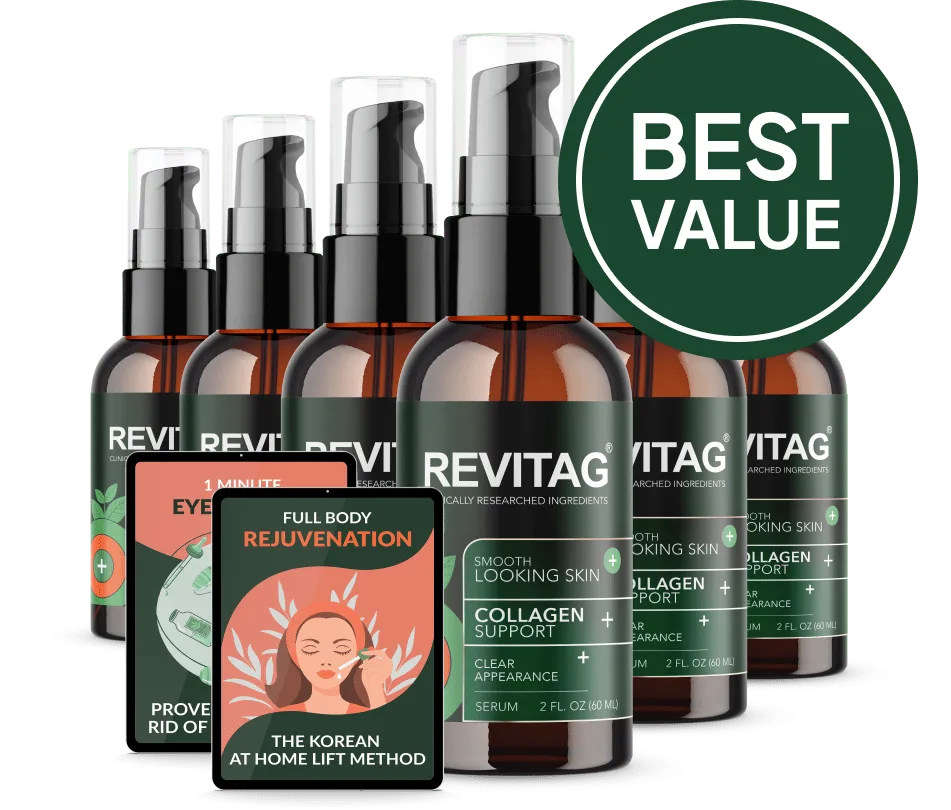
Reclaim Your Skin's Radiance with ReviTag
If stress is taking a toll on your skin, manifesting as stubborn blemishes, dullness, or even the appearance of skin tags, it's time to consider a natural, internal solution. ReviTag is designed to support your skin's innate ability to heal and regenerate, helping you achieve a clearer, smoother complexion.
- ✓ Supports natural skin tag and blemish reduction
- ✓ Promotes healthy cellular regeneration
- ✓ Boosts skin's natural defense against environmental stressors
- ✓ Formulated with potent antioxidants and anti-inflammatory ingredients
- ✓ Contributes to a smoother, more radiant complexion



What Our Customers Are Saying
"I've always struggled with stress-induced breakouts, and as I got older, I started noticing more small skin tags. Since starting ReviTag a few months ago, my skin feels calmer, and those annoying blemishes are definitely less frequent. Even some of the smaller tags seem to be diminishing. It's a noticeable difference!"
"My dermatologist suggested looking into supplements to support my skin when I mentioned my stress levels. ReviTag came up, and I'm so glad I tried it. My skin looks smoother, and the overall redness I used to get when stressed has really gone down. It's truly helped me feel more confident in my skin again."
"Chronic stress used to mean dull, uneven skin for me. I was skeptical about a supplement making a difference, but ReviTag has been a game-changer. My complexion is brighter, and I've noticed a significant reduction in new blemishes. It feels like my skin is finally getting the support it needs to thrive, even when life gets hectic."
Frequently Asked Questions
How does stress directly affect the skin?
+Stress triggers a cascade of hormonal responses, notably increasing cortisol. This hormone can disrupt the skin's barrier function, increase inflammation, stimulate oil production, and suppress the immune system, making the skin more vulnerable to various issues.
Can stress cause skin tags and blemishes to appear or worsen?
+While stress isn't the sole cause of skin tags or many blemishes, it can significantly exacerbate existing conditions or contribute to their appearance. Increased inflammation, hormonal imbalances, and a weakened immune response can create an environment where skin cells are more prone to irregular growth (like skin tags) or clogged pores and breakouts (blemishes).
What are common skin conditions aggravated by stress?
+Stress commonly worsens conditions like acne, eczema, psoriasis, rosacea, and hives. It can also lead to increased sensitivity, dryness, and a dull complexion. The physiological changes induced by stress make the skin less resilient and more reactive.
Are there natural ways to manage stress for better skin?
+Absolutely. Incorporating stress-reducing practices such as meditation, yoga, regular exercise, adequate sleep, and spending time in nature can significantly improve skin health. A balanced diet rich in antioxidants and proper hydration also play crucial roles.
How can supplements like ReviTag support skin health when dealing with stress?
+ReviTag is formulated with natural ingredients that aim to support skin health from within. Many of its components are selected for their antioxidant, anti-inflammatory, and collagen-supporting properties, which can help counteract the negative effects of stress on the skin. It supports the body's natural defense against factors contributing to blemishes and skin tags.
How long does it take to see improvements in skin after managing stress?
+Results vary based on individual factors and the severity of skin issues. While some may notice improvements in a few weeks, significant changes often take several months of consistent stress management and a supportive skincare regimen. Patience and consistency are key.
Related Articles