Is your sweat working for your skin, or against it?
For many, the thought of sweating often conjures images of discomfort, stickiness, and perhaps even breakouts. We're taught to view sweat as something to be quickly wiped away or masked. However, what if we told you that perspiration, a natural and essential bodily function, holds surprising benefits for your skin health? Far from being a mere inconvenience, sweating is a vital process that can contribute significantly to a clearer, healthier, and more vibrant complexion.
In this comprehensive guide, we'll delve into the science behind sweating and uncover how a regular exercise routine, leading to a good sweat, can actually be a powerful ally in your skincare regimen. We'll explore how sweat aids in detoxification, improves circulation, and even possesses antimicrobial properties that protect your skin. We'll also address common concerns like skin tags and blemishes, and how a holistic approach, including understanding your body's natural processes, can help manage them effectively.
The Science of Sweat: More Than Just Water
Before we dive into the benefits, let's understand what sweat actually is and how our bodies produce it. This natural process is far more sophisticated than often perceived.
Sweat, or perspiration, is primarily composed of water, but it also contains trace amounts of electrolytes (sodium, potassium, calcium, magnesium), urea, lactic acid, and various metabolic byproducts. Our bodies have two main types of sweat glands: eccrine glands and apocrine glands. Eccrine glands are found almost all over the body and produce a watery, odorless sweat that primarily functions to regulate body temperature through evaporative cooling. Apocrine glands, located in areas like the armpits and groin, produce a thicker sweat that, when mixed with bacteria on the skin, can lead to body odor.
When you engage in physical activity, your body temperature rises. In response, your nervous system signals the eccrine glands to release sweat. As this sweat evaporates from your skin's surface, it carries away heat, effectively cooling you down. This thermoregulatory function is crucial for preventing overheating during exercise and in hot environments. However, the benefits extend beyond just temperature control, impacting your skin's health in profound ways.
Sweat as a Natural Detoxifier: Purifying Your Pores
One of the most celebrated benefits of sweating for skin health is its role in detoxification. Your skin is your body's largest organ, and it plays a significant role in eliminating waste products.
While the kidneys and liver are the primary organs for detoxification, the skin acts as an important secondary pathway. When you sweat, your body expels more than just water and salts. Studies suggest that sweat can help excrete certain heavy metals like cadmium, lead, and mercury, as well as environmental toxins like phthalates and BPA. This process effectively helps to "cleanse" the body from the inside out, reducing the overall toxic burden. For your skin, this means a reduction in the accumulation of impurities that can lead to dullness, congestion, and breakouts. By regularly flushing out these substances, you contribute to a clearer and healthier complexion, minimizing the factors that can exacerbate issues like skin tags and blemishes.
Regular, vigorous exercise that induces sweating can therefore be seen as a natural way to support your body's detoxification pathways, providing a systemic benefit that reflects positively on your skin's appearance and vitality. It's a powerful, natural cleansing process that complements your skincare routine.
Antimicrobial Power: Sweat's Defense Against Bacteria
Beyond detoxification, sweat possesses inherent antimicrobial properties that can help protect your skin from harmful bacteria and pathogens.
Human sweat contains a naturally occurring antimicrobial peptide called dermcidin. This peptide is produced by the eccrine sweat glands and acts as a broad-spectrum antibiotic, effectively fighting against various bacteria, fungi, and even some viruses. When sweat is released, dermcidin creates a protective barrier on the skin's surface, helping to neutralize potential threats before they can cause infections or exacerbate skin conditions. This natural defense mechanism is particularly beneficial in preventing bacterial overgrowth that can lead to conditions like acne, folliculitis, and other forms of skin inflammation. By regularly activating these antimicrobial defenses through sweating, you strengthen your skin's ability to maintain a healthy microbial balance, which is crucial for preventing the formation of blemishes and maintaining overall skin integrity. This innate protective function of sweat is a testament to the body's sophisticated self-defense mechanisms.
💡 Key Takeaway
Sweating, often misunderstood, is a powerful natural process that significantly benefits skin health by detoxifying the body, boosting circulation, and providing antimicrobial protection. Embracing regular, sweat-inducing exercise can lead to a clearer, more resilient complexion, helping to manage concerns like skin tags and blemishes effectively.
Beyond Detox: Additional Skin Benefits of Sweating and Exercise
The advantages of a good sweat session extend far beyond just flushing out toxins. Here are more ways exercise and perspiration contribute to glowing skin:
Improved Blood Circulation and Nutrient Delivery
When you exercise, your heart rate increases, and blood flow throughout your body intensifies. This surge in circulation delivers a rich supply of oxygen and essential nutrients directly to your skin cells. Enhanced blood flow also helps carry away cellular waste products more efficiently, resulting in a healthier cellular environment. This improved nourishment can lead to a brighter, more even skin tone and a natural, healthy glow.
Natural Exfoliation and Pore Cleansing
As sweat exits your pores, it can help to push out accumulated dirt, oil, and dead skin cells that may be trapped within. This natural flushing action acts as a gentle exfoliant, preventing clogged pores that often lead to blackheads, whiteheads, and acne. While sweat itself doesn't "clean" your pores in the same way a cleanser does, its outward flow can aid in clearing blockages, contributing to smoother skin texture and fewer blemishes.
Boosted Collagen Production
Regular exercise has been shown to stimulate the production of collagen, the protein responsible for skin's elasticity and firmness. Increased blood flow and nutrient delivery to the skin during exercise can support fibroblast activity, which are the cells that produce collagen. This can lead to firmer, more resilient skin and may help in reducing the appearance of fine lines and wrinkles over time, contributing to an overall youthful appearance. For more on collagen support, consider reading about anti-aging skin supplements.
Stress Reduction and Hormonal Balance
Exercise is a powerful stress reliever. When you engage in physical activity, your body releases endorphins, natural mood elevators. Reduced stress levels can have a profound positive impact on your skin, as stress is a known trigger for various skin conditions, including acne, eczema, and psoriasis. By mitigating stress, exercise helps maintain hormonal balance, which is crucial for preventing stress-induced breakouts and maintaining a clear complexion. Learn more about the link between stress and skin problems.
Accelerated Wound Healing and Regeneration
The increased circulation and nutrient delivery to the skin during exercise also contribute to faster cell turnover and improved healing processes. This means that minor cuts, scrapes, and even post-blemish marks may heal more efficiently. A robust skin regeneration process is key to maintaining a smooth, unblemished complexion and ensuring your skin remains healthy and resilient against daily wear and tear.
Post-Workout Skincare Essentials: Maximizing Benefits, Minimizing Risks
While sweating offers incredible benefits, proper post-workout care is crucial to harness these advantages without experiencing any downsides. Neglecting your skin after a sweat session can lead to clogged pores, breakouts, and irritation.
The golden rule after any strenuous exercise is to cleanse your skin promptly. Sweat, mixed with dirt, oil, and bacteria from your environment and skin surface, can become a breeding ground for problems if left on too long. A gentle, pH-balanced cleanser for your face and body is ideal. Avoid harsh soaps that strip your skin's natural oils, as this can lead to dryness and irritation, paradoxically triggering more oil production.
After cleansing, gently pat your skin dry with a clean towel – avoid rubbing, which can cause friction and irritation. Follow up with a light, non-comedogenic moisturizer to replenish hydration. Even oily skin types need moisture to maintain a healthy barrier. Internally, remember to rehydrate with plenty of water to replace fluids lost through sweat, supporting overall skin plumpness and function. Wearing breathable, moisture-wicking fabrics during exercise can also prevent friction and heat rash, further protecting your skin. By incorporating these simple steps, you can fully embrace the skin-enhancing power of your workouts.
Addressing Specific Skin Concerns: Skin Tags and Blemishes
While exercise and sweating contribute broadly to skin health, specific concerns like skin tags and persistent blemishes often require a more targeted approach.
Skin tags are small, benign growths that typically appear in areas where skin rubs against skin or clothing, such as the neck, armpits, groin, and eyelids. They are harmless but can be aesthetically bothersome. While exercise improves overall skin condition, it doesn't directly prevent or remove existing skin tags. The friction from movement and clothing during exercise might even exacerbate their formation in prone individuals. Similarly, while sweating can help clear pores, some blemishes, particularly those linked to hormonal imbalances, genetics, or deeper inflammatory processes, may persist despite a good workout routine.
This is where a holistic strategy comes into play. Combining the benefits of an active lifestyle with targeted nutritional support can create a powerful synergy for skin health. Supplements specifically formulated to address common skin concerns can provide the body with essential nutrients that support skin regeneration, reduce inflammation, and help manage the appearance of skin tags and blemishes from within. This internal support complements the external benefits of exercise, leading to more comprehensive and lasting results. For more detailed information on internal solutions, consider exploring a skin tag removal supplement review 2026.
ReviTag: A Complementary Approach to Skin Health
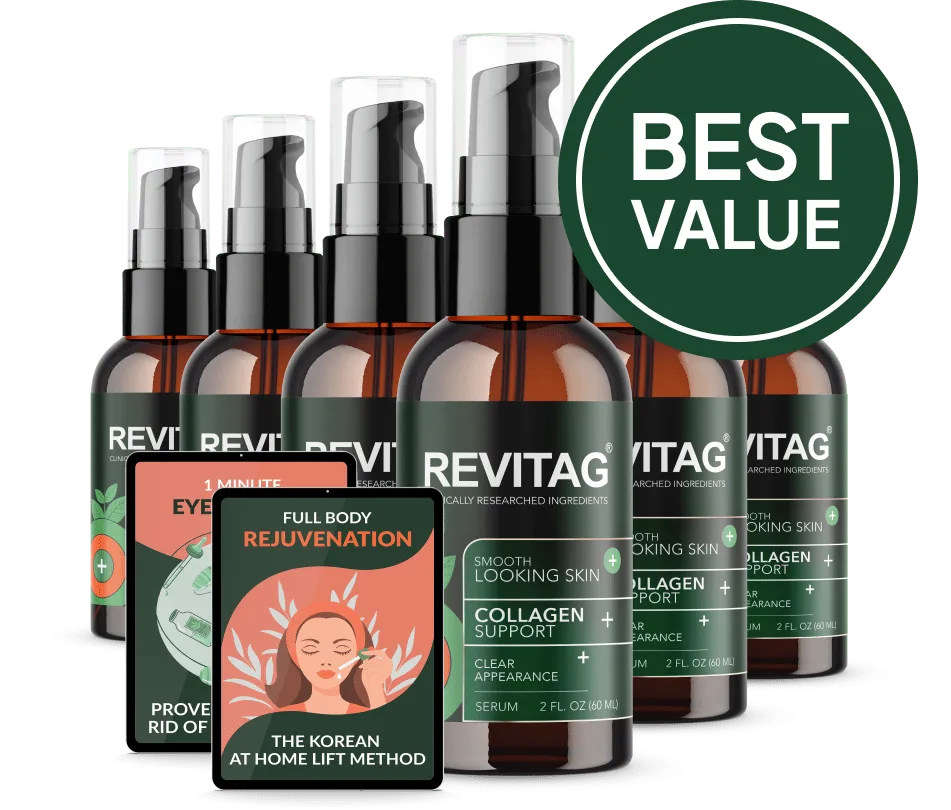
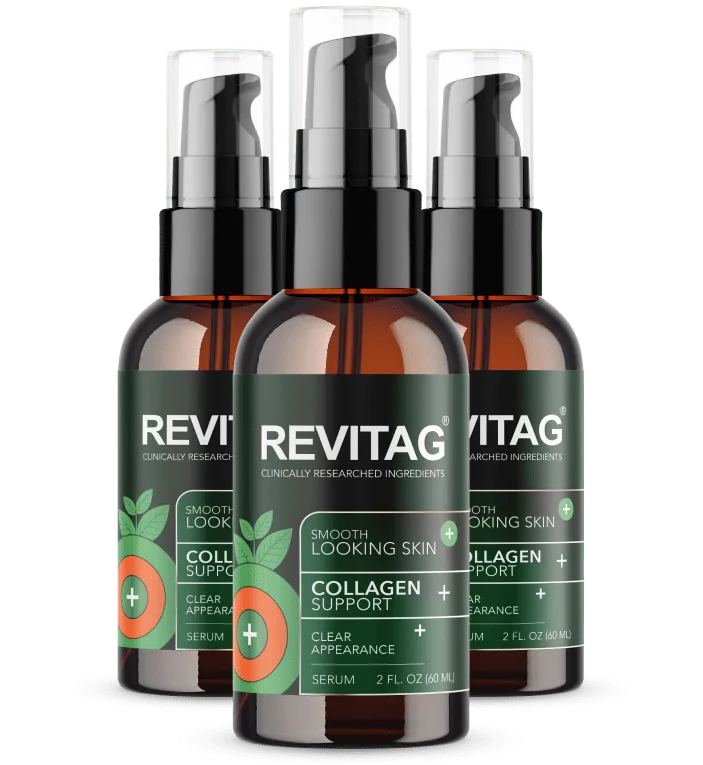
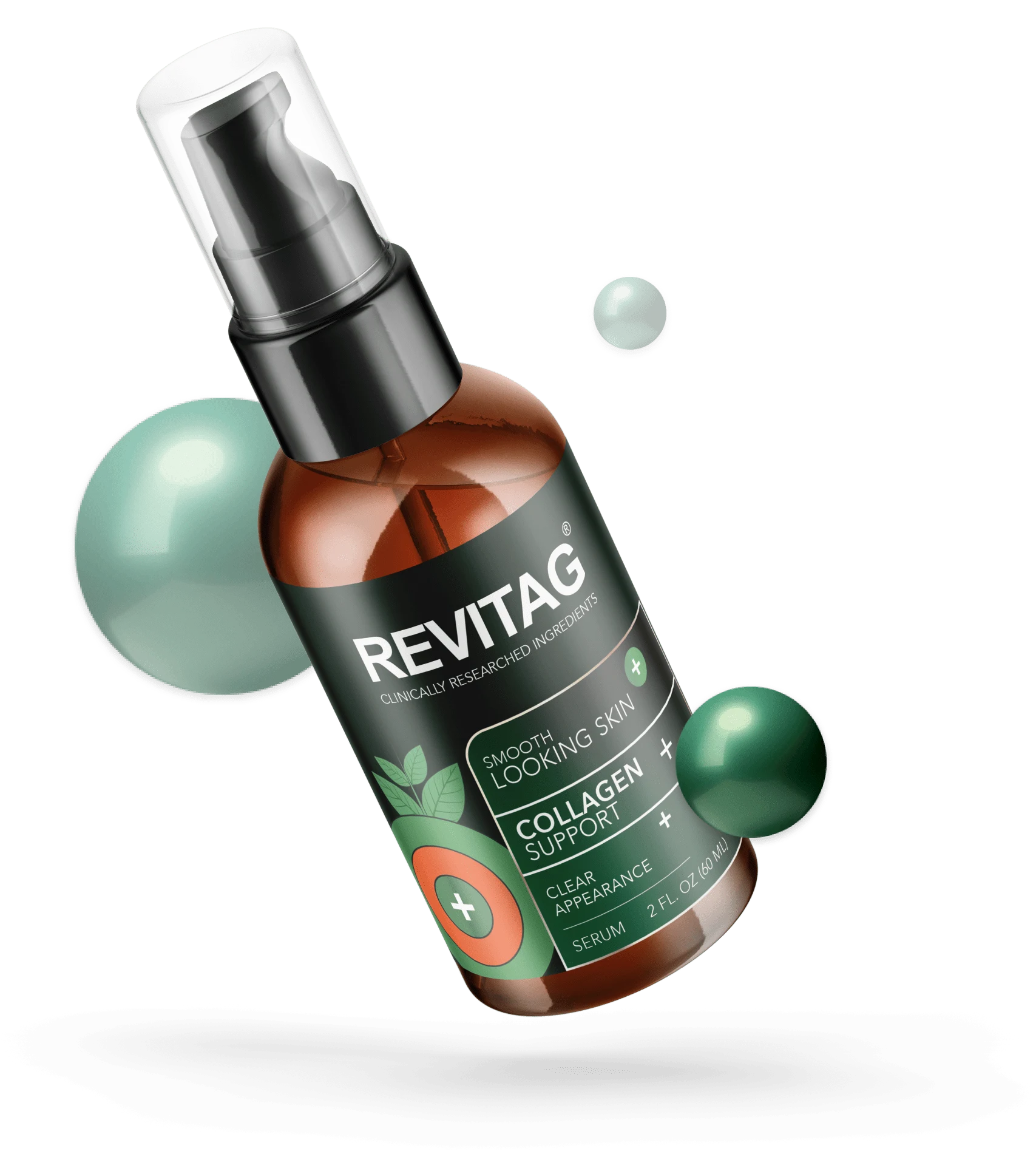
Understanding the profound benefits of exercise and sweating is key to maintaining healthy skin. For those seeking additional support, particularly for concerns like skin tags and blemishes, ReviTag offers a natural, complementary solution. It's designed to work from the inside out, providing your body with a blend of ingredients known to support skin clarity and overall dermatological wellness.
Turmeric Extract
Role: Renowned for its potent anti-inflammatory and antioxidant properties, Turmeric helps to soothe irritated skin and promotes an even, radiant complexion. It's crucial for battling oxidative stress and supporting cellular repair.
Aloe Vera
Role: A powerhouse of hydration and healing, Aloe Vera aids in skin regeneration, calms redness, and provides essential moisture, contributing to a healthy skin barrier and reducing irritation.
Papaya Leaf Extract
Role: Rich in enzymes like papain, Papaya Leaf Extract helps with natural exfoliation, removing dead skin cells and promoting cellular turnover for smoother, clearer skin. It also offers antioxidant benefits.
Apple Pectin
Role: A soluble fiber, Apple Pectin supports detoxification by aiding in the removal of waste products from the digestive system, indirectly benefiting skin clarity by reducing internal toxic load.
Black Walnut Hull
Role: Traditionally used for its natural astringent and antiseptic properties, Black Walnut Hull can help dry out skin imperfections and support the body's natural defenses against external irritants.
Flaxseed
Role: An excellent source of Omega-3 fatty acids, Flaxseed helps to reduce inflammation, improve skin hydration, and strengthen the skin's barrier function, leading to a smoother and more supple appearance.
L-Lysine
Role: An essential amino acid, L-Lysine plays a vital role in collagen formation and tissue repair, supporting skin structure and helping to maintain its firmness and elasticity.
Acidophilus
Role: As a probiotic, Acidophilus supports gut health, which is intrinsically linked to skin health. A balanced gut microbiome can reduce systemic inflammation and improve skin clarity.
Zinc
Role: An essential mineral for skin health, Zinc supports immune function, aids in wound healing, and helps regulate oil production, making it crucial for managing blemishes and promoting clear skin.
By integrating ReviTag into your daily routine, you can provide your skin with targeted nourishment, supporting its natural ability to heal, detoxify, and maintain a clear, healthy appearance, complementing the benefits you gain from an active, sweat-inducing lifestyle.
Ready for Naturally Clearer, Healthier Skin?
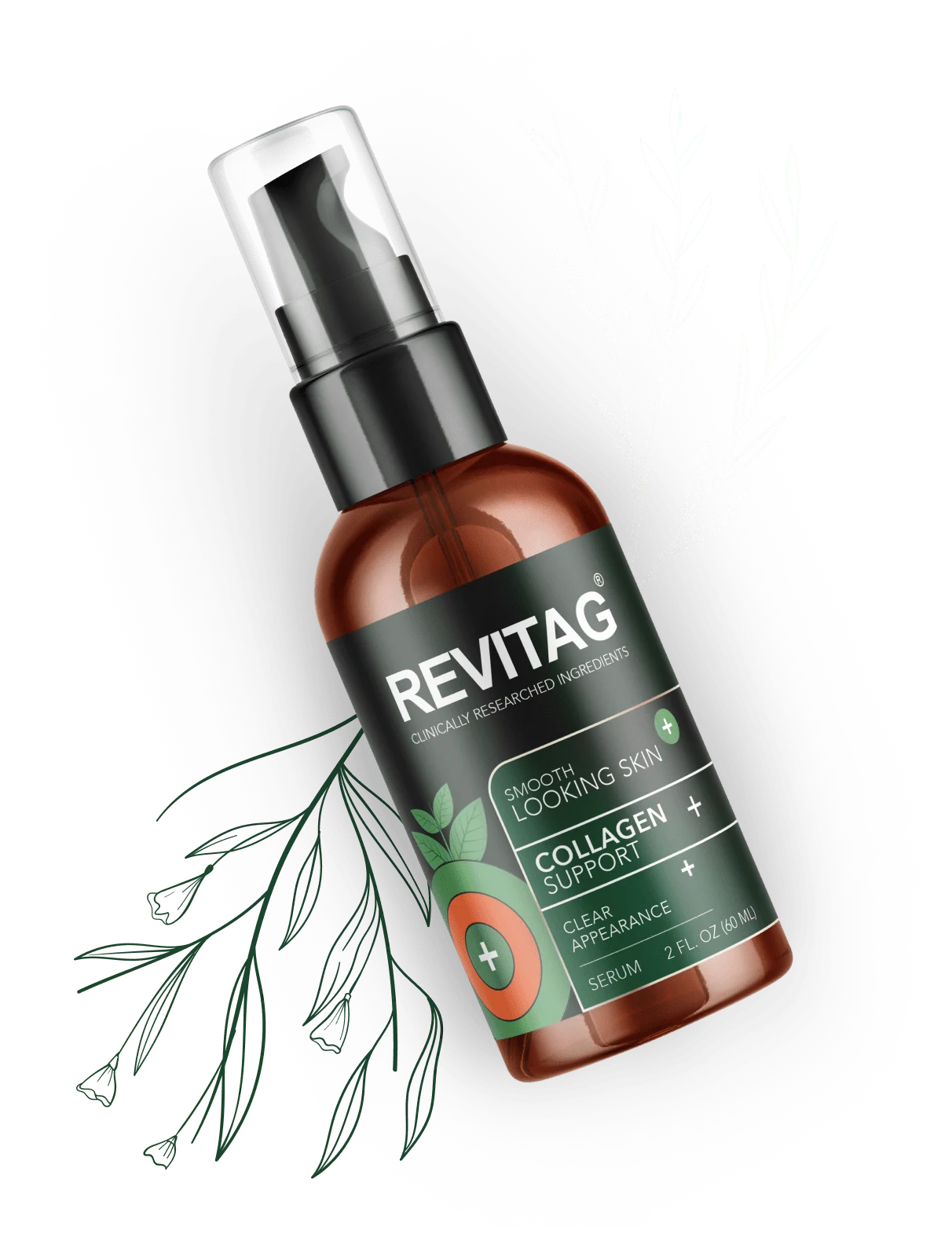
Embrace a comprehensive approach to skin wellness with ReviTag. Specially formulated with powerful natural ingredients, ReviTag works to address skin tags, blemishes, and promote an overall radiant complexion from within. Complement your active lifestyle and the natural benefits of sweating with this advanced skin support supplement.
- ✓ Supports the natural reduction of skin tags and blemishes
- ✓ Promotes clearer, smoother, and healthier skin
- ✓ Formulated with a blend of natural, plant-based ingredients
- ✓ Boosts skin's natural detoxification and healing processes
- ✓ Easy-to-take capsules for daily skin nourishment


Real Results from Real Users
"I've always been active, but still struggled with a few stubborn skin tags and occasional blemishes. After adding ReviTag to my routine, combined with my regular workouts, I've noticed a significant improvement. My skin feels smoother and looks much clearer. Highly recommend!"
"As someone who sweats a lot, I was worried about skin issues. ReviTag has been a game-changer. My skin feels healthier, and those little bumps I used to get are almost gone. It truly complements my fitness routine for better skin."
"I used to think sweating was bad for my skin, but this article and ReviTag changed my perspective. My skin has never looked so good – fewer blemishes, and even some of my smaller skin tags seem less noticeable. I feel more confident."
Frequently Asked Questions
Is sweating truly good for your skin?
+Yes, when managed properly, sweating offers numerous benefits for skin health, including detoxification, improved circulation, and natural pore cleansing. The key is to cleanse your skin promptly after sweating to avoid issues.
How does sweat help detoxify the skin?
+Sweat glands act as tiny excretory organs, expelling toxins, heavy metals, and metabolic waste products from the body through the skin. This process helps purify the skin from within, potentially reducing the burden on other detox organs.
Can exercise help reduce skin tags and blemishes?
+While exercise directly removing skin tags is unlikely, its overall benefits for skin health – improved circulation, detoxification, and stress reduction – can contribute to a healthier skin environment, potentially reducing the incidence of blemishes and supporting the body's natural processes to manage skin concerns. For existing skin tags and blemishes, targeted solutions like supplements may be beneficial.
What's the best skincare routine after a heavy workout?
+After a heavy workout, it's crucial to cleanse your face and body with a gentle, pH-balanced cleanser to remove sweat, dirt, and bacteria. Follow up with a light moisturizer. Hydrate internally by drinking plenty of water. Avoid harsh scrubbing or hot showers, which can irritate the skin.
Are there any downsides to sweating for skin health?
+Without proper post-sweat care, sweat can mix with bacteria and oils on the skin, potentially leading to clogged pores, breakouts (like acne mechanica), and fungal infections. Excessive sweating can also lead to dehydration if not replenished. Proper hygiene is key to mitigating these risks.
How can ReviTag support skin health alongside exercise?
+ReviTag is formulated with natural ingredients designed to support overall skin health, targeting issues like skin tags and blemishes from within. While exercise boosts circulation and detoxification, ReviTag provides a complementary approach by nourishing the skin with specific compounds that promote clarity, reduce inflammation, and support healthy cell regeneration, enhancing the benefits of an active lifestyle.
Related Articles