Can a simple kitchen staple truly eliminate those stubborn skin tags?
Skin tags, those small, soft, often flesh-colored growths that dangle from the skin, are a common dermatological concern. While harmless, they can be a source of irritation, discomfort, and self-consciousness for many. The desire for a quick, inexpensive, and natural solution often leads people down the path of home remedies, with apple cider vinegar (ACV) frequently topping the list.
But amidst the countless online testimonials and DIY guides, a critical question remains: Does apple cider vinegar for skin tags actually work, or is it merely an old wives' tale with potential risks? As a dermatological health researcher, I'm here to dive deep into the science, the anecdotal evidence, and the potential pitfalls of using ACV for skin tag removal, guiding you towards safer and more effective solutions.

Understanding Skin Tags: More Than Just a Nuisance
Before we delve into remedies, it's crucial to understand what skin tags are and why they appear. This knowledge helps us evaluate the appropriateness and safety of various treatments.
Skin tags, medically known as acrochordons, are small, benign growths that typically form in areas where skin rubs against skin or clothing. Common locations include the neck, armpits, groin, eyelids, and under the breasts. They are usually soft, painless, and range in size from a tiny bump to several millimeters in diameter. While generally harmless, they can become irritated if snagged by jewelry or clothing, or simply be a cosmetic concern.
The exact cause of skin tags isn't fully understood, but several factors are believed to contribute to their development. These include friction, genetics, obesity, diabetes, pregnancy, and hormonal imbalances. For a deeper dive into why these common skin growths appear, you might find our article on the causes of skin tags insightful. Understanding the underlying factors can sometimes help in prevention, though once formed, removal is often the only option.
It's important to distinguish skin tags from other skin conditions. Sometimes, what appears to be a skin tag could be a wart, mole, or another type of lesion. This is why a proper diagnosis from a healthcare professional is always recommended before attempting any removal method, especially those involving potentially irritating substances like apple cider vinegar.
Apple Cider Vinegar: A Historical Remedy with Modern Popularity
Apple cider vinegar (ACV) has been a staple in kitchens and traditional medicine cabinets for centuries. Made from fermented apples, it's rich in acetic acid and often lauded for a wide array of health benefits, from digestive aid to blood sugar regulation.
Its popularity as a home remedy extends to skin care, where it's used for everything from acne treatment to toning. The belief in ACV's efficacy for skin tags stems from its acidic nature. Proponents suggest that the acetic acid in ACV works by breaking down the skin cells of the tag, causing it to dry out, shrink, and eventually fall off. This theory is similar to how some over-the-counter wart removers work, which often contain salicylic acid, a different type of acid.
The appeal of ACV is undeniable: it's readily available, inexpensive, and perceived as "natural." Many individuals prefer to explore home-based solutions before resorting to medical procedures, making ACV a go-to for those seeking a DIY approach to skin tag removal. However, "natural" doesn't always equate to "safe" or "effective," particularly when applying concentrated acids to delicate skin.
💡 Key Takeaway
While apple cider vinegar is widely praised for its general health benefits, its application for skin tag removal is primarily based on anecdotal evidence, suggesting its acetic acid content might dry out the tags. However, scientific backing for this specific use is largely absent, and potential risks to the skin are significant.
The DIY Approach: How People Use ACV for Skin Tags
For those determined to try ACV, the application method is relatively consistent across various online guides. It typically involves a direct, localized application of the vinegar to the skin tag.
The most common method involves saturating a small piece of cotton ball or a cotton swab with apple cider vinegar. This ACV-soaked cotton is then placed directly over the skin tag and secured with a bandage or medical tape. The idea is to keep the ACV in constant contact with the skin tag for an extended period, often overnight, or for several hours daily. This process is usually repeated daily for several days or even weeks, until the skin tag is reported to darken, shrink, and eventually fall off.
Some methods suggest diluting the ACV with water, especially for sensitive skin, but many online sources advocate for undiluted application to maximize its supposed effect. Users are often advised to clean the area thoroughly before application and to be patient, as results are not immediate. The expectation is that the skin tag will gradually change color, often turning black, before detaching.
The Scientific Verdict: Is There Evidence That ACV Works?
This is where the excitement surrounding apple cider vinegar for skin tags often meets a sobering reality. Despite its widespread popularity as a home remedy, the scientific community has largely not supported its efficacy for skin tag removal.
To date, there are no robust clinical trials, peer-reviewed studies, or scientific evidence that confirm apple cider vinegar as a safe or effective treatment for skin tags. The claims of its success are almost entirely based on anecdotal reports and personal testimonials, which, while plentiful, do not meet the standards of medical evidence. Dermatologists and medical professionals generally do not recommend ACV for this purpose due to the lack of scientific validation and the significant potential for adverse effects.
While acetic acid does have some antimicrobial properties and can, in higher concentrations, cause a chemical burn that might lead to the necrosis (death) of tissue, this is not a controlled or precise method for removing benign skin growths. Professional medical procedures like cryotherapy or excision are performed by trained professionals who can accurately target the tag while minimizing damage to surrounding healthy skin. ACV, when applied indiscriminately, lacks this precision.
The absence of scientific consensus means that relying on ACV for skin tag removal is akin to self-experimentation, with unpredictable and potentially harmful outcomes. It's crucial for individuals to understand this distinction between popular belief and evidence-based medicine when considering such treatments.
The Risks and Side Effects of Using ACV on Skin Tags
The acidic nature of apple cider vinegar, which is theorized to be its mechanism of action against skin tags, is also the primary source of its risks when applied topically.
Using undiluted ACV on the skin can lead to a range of undesirable side effects, including:
- Skin Irritation and Redness: The most common side effect. The acid can cause significant irritation, leading to redness, stinging, and discomfort around the treated area.
- Chemical Burns: ACV is an acid. Prolonged contact, especially with undiluted vinegar, can result in chemical burns on the skin. These burns can be painful, take time to heal, and may be more severe than the original skin tag issue.
- Blistering and Inflammation: In response to the chemical irritation, the skin may develop blisters and become inflamed, making the area swollen and tender.
- Hyperpigmentation or Hypopigmentation: After the skin heals from an ACV burn or irritation, it can sometimes result in a darker (hyperpigmentation) or lighter (hypopigmentation) patch of skin, which can be permanent and more noticeable than the original skin tag.
- Infection: If the skin is broken or burned, it becomes susceptible to bacterial infection, which can complicate healing and require medical intervention.
- Scarring: Severe irritation or burns can lead to permanent scarring, leaving a textured or discolored mark on the skin that is often more prominent than the skin tag itself.
- Misdiagnosis: Attempting to treat a suspected skin tag with ACV without a professional diagnosis can be dangerous if the lesion is actually a mole, wart, or even a cancerous growth. Applying ACV to such lesions can delay proper medical treatment, potentially leading to serious health consequences.
When to Seek Professional Help for Skin Tags and Blemishes
While skin tags are benign, any new or changing skin growth warrants a professional evaluation to rule out more serious conditions. It's always best to consult a dermatologist.
You should seek professional medical advice if:
- You are unsure if the growth is a skin tag, mole, wart, or another type of lesion.
- The skin tag is painful, bleeding, itching, or rapidly changing in size or color.
- You wish to remove a skin tag for cosmetic reasons and want a safe, effective method.
- You have attempted home remedies (like ACV) and experienced adverse reactions such as severe irritation, burns, or infection.
Beyond ACV: Exploring Safer Alternatives for Skin Blemish Removal
Given the unproven efficacy and potential risks of apple cider vinegar, it's natural to seek out safer, more reliable methods for addressing skin tags and other blemishes. These alternatives fall into professional treatments and natural, supportive approaches.
Professional Dermatological Treatments:
- Cryotherapy: This involves freezing the skin tag with liquid nitrogen, causing it to fall off within a few days to weeks. It's quick, generally safe, and effective for most skin tags.
- Surgical Excision: A dermatologist can numb the area and simply snip off the skin tag with surgical scissors or a scalpel. This is often used for larger tags and provides immediate removal.
- Cauterization: This method uses heat to burn off the skin tag, sealing the wound simultaneously.
- Ligation: For larger tags, a surgical thread can be tied around the base of the tag to cut off its blood supply, causing it to wither and fall off.
Natural and Supportive Approaches:
For those who prefer a non-invasive, gentler approach, particularly for multiple or smaller blemishes, supporting skin health from within can be a viable strategy. This involves nourishing the body with ingredients known to promote healthy skin cell turnover, reduce oxidative stress, and support the body's natural healing processes. This is where high-quality, natural supplements come into play, offering a holistic path to clearer skin. If you're looking for an overview of various options, check out our article on skin blemish removal supplements.
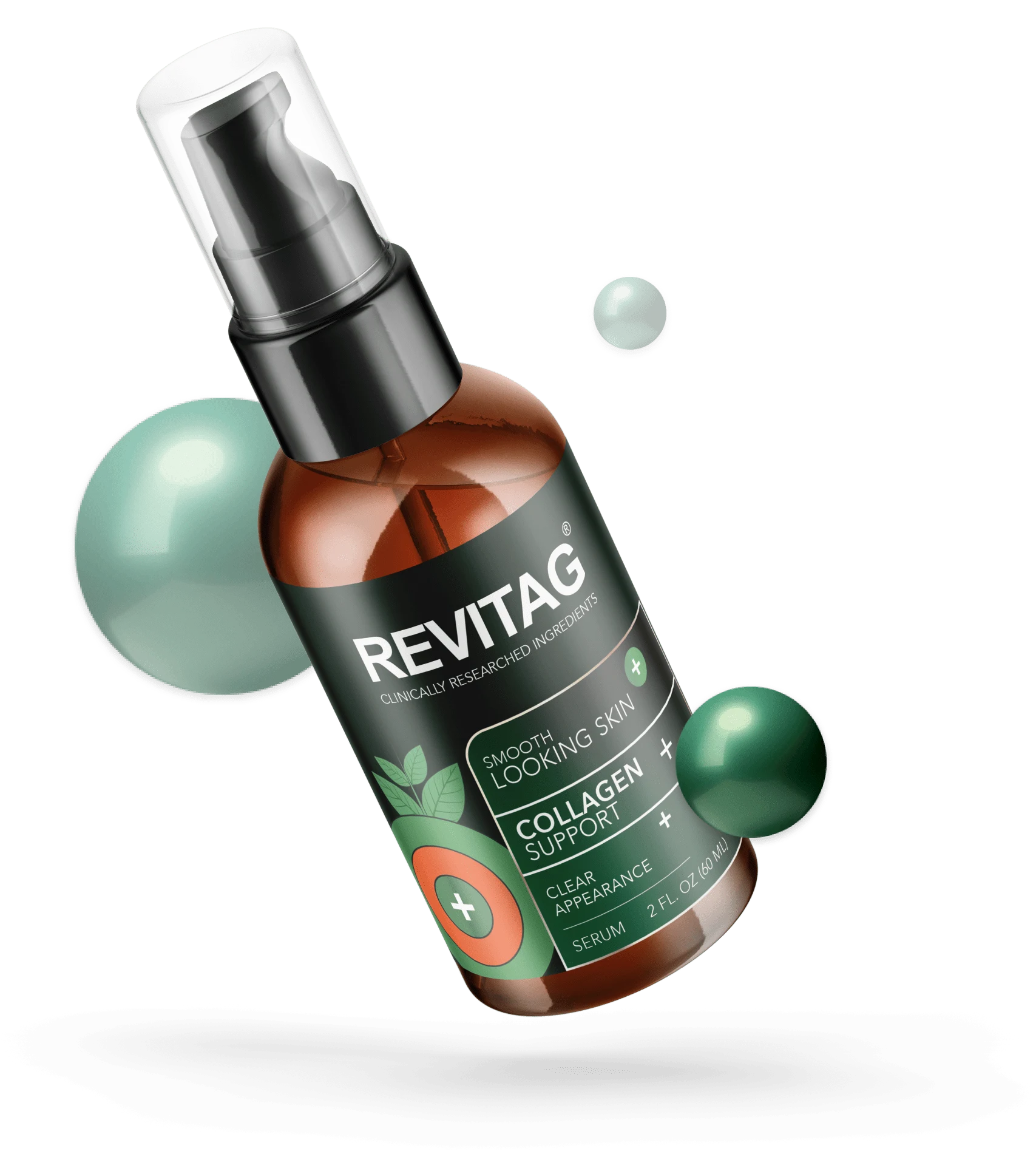
Introducing ReviTag: A Natural, Holistic Approach to Clearer Skin
While apple cider vinegar presents unproven and risky solutions, ReviTag offers a carefully formulated alternative. It’s designed to support your skin's natural ability to shed blemishes and tags, using a blend of potent, natural ingredients.
Natural Formulation
ReviTag harnesses the power of nature, blending ingredients known for their skin-supporting properties, avoiding harsh chemicals or acidic components that can damage the skin.
Supports Skin Health
Instead of merely attempting to burn off tags, ReviTag works internally to promote overall skin health, encouraging natural regeneration and a clearer complexion from within.
Scientifically Inspired
Each ingredient in ReviTag is selected based on its traditional use and modern research supporting its role in skin vitality, cellular health, and blemish reduction.
Gentle & Non-Invasive
Unlike abrasive topical treatments, ReviTag is a dietary supplement, offering a gentle, non-invasive way to address skin tags and blemishes without the risk of irritation or scarring.
The Power Behind ReviTag: Key Natural Ingredients
ReviTag's effectiveness lies in its unique blend of natural ingredients, each chosen for its proven or traditional role in supporting skin health and addressing blemishes. This synergistic formula works to nourish your skin from the inside out.
Bloodroot (Sanguinaria canadensis)
Role: Traditionally used in topical applications for skin growths, believed to help break down abnormal skin cells. In ReviTag, it's included for its systemic support of skin health.
Standardized ExtractZinc
Role: An essential mineral crucial for skin healing, cell growth, and immune function. Zinc deficiency can impact skin health, making its inclusion vital for repair and maintenance.
15-30 mgVitamin C (Ascorbic Acid)
Role: A powerful antioxidant that supports collagen production, vital for skin elasticity and repair. It also protects skin cells from oxidative damage, promoting a brighter complexion.
500-1000 mgVitamin E (Tocopherol)
Role: Another potent antioxidant that protects skin cells from free radical damage. It's known for its moisturizing properties and role in skin healing and scar reduction.
100-400 IUMushroom Complex (Shiitake, Reishi, Maitake)
Role: These medicinal mushrooms are rich in polysaccharides and antioxidants, supporting immune function and cellular health, which can indirectly contribute to healthier skin and resilience against blemishes.
Proprietary BlendGreen Tea Extract (Camellia sinensis)
Role: Packed with powerful antioxidants called catechins, particularly EGCG, which fight oxidative stress, reduce inflammation, and may support healthy cell growth and detoxification, benefiting overall skin appearance.
Standardized ExtractTurmeric (Curcuma longa)
Role: Known for its potent anti-inflammatory and antioxidant properties due to its active compound, curcumin. It helps soothe skin and supports an even skin tone.
Standardized ExtractWhy Choose ReviTag Over Risky Home Remedies?
When considering options for skin tags and blemishes, the choice between unproven home remedies and a targeted supplement like ReviTag becomes clear. ReviTag offers distinct advantages for those seeking a safe and effective path to clearer skin.
Safety First Approach
Unlike topical acids like ACV that can cause burns and irritation, ReviTag is a dietary supplement designed to work from within. It avoids direct skin contact, eliminating the risk of surface damage, scarring, or hyperpigmentation associated with harsh external applications.
Holistic Skin Support
ReviTag doesn't just target existing blemishes; it supports overall skin health. Its blend of vitamins, minerals, and herbal extracts nourishes your skin at a cellular level, promoting elasticity, even tone, and resilience against future imperfections. This comprehensive approach leads to healthier skin in the long run.
Scientifically Inspired Ingredients
Each ingredient in ReviTag is chosen based on research and traditional understanding of its benefits for skin health and cellular regeneration. This contrasts sharply with ACV, which lacks scientific validation for skin tag removal. ReviTag offers a more reliable, evidence-informed pathway.
Convenient and Easy to Use
Forget messy cotton balls and bandages. ReviTag comes in easy-to-take capsules, seamlessly fitting into your daily routine. This simple, consistent application ensures you receive the full benefits of its powerful formula without any hassle or discomfort.
Addresses Root Causes (Internal Support)
While ACV attempts a superficial, external fix, ReviTag works to support the internal mechanisms that contribute to skin health. By enhancing cellular turnover, boosting immunity, and reducing oxidative stress, it helps create an environment where skin tags and blemishes are less likely to thrive. For more insights on how supplements can help, explore our guide to the best supplements for skin tag and blemish removal.

Experience the ReviTag Difference for Clearer, Healthier Skin!
Stop experimenting with unproven and potentially harmful home remedies. ReviTag offers a trusted, natural, and scientifically-inspired solution to help you achieve the smooth, blemish-free skin you desire. Give your skin the support it truly needs, from within.
- ✓ All-Natural Ingredients for Gentle Action
- ✓ Supports Skin Health & Blemish Reduction from Within
- ✓ Non-Invasive, No Messy Applications or Irritation
- ✓ Manufactured in a GMP-Certified Facility in the USA
- ✓ Backed by a 60-Day 100% Money-Back Guarantee



What Our Customers Are Saying
"I was skeptical after trying so many home remedies, including ACV, which just irritated my skin. ReviTag has been a game-changer! My skin tags are noticeably smaller, and my complexion feels so much healthier. No irritation, just results."
"I had several annoying skin tags on my neck and under my arms. ACV made my skin red and itchy without any real change. After two months on ReviTag, I've seen a significant reduction in their appearance. This is a much better, safer way."
"Finally, something that works without harsh chemicals! My skin feels smoother, and those little tags around my eyelids are practically gone. ReviTag is worth every penny for the peace of mind and visible improvement."
Frequently Asked Questions
Is apple cider vinegar a proven method for skin tag removal?
+While many anecdotal reports exist, there is currently no scientific evidence or clinical studies that definitively prove apple cider vinegar (ACV) effectively or safely removes skin tags. Its use is largely based on traditional beliefs rather than dermatological consensus.
What are the potential risks of using ACV on skin tags?
+Applying ACV directly to the skin, especially for extended periods, can lead to several risks. These include skin irritation, chemical burns, redness, inflammation, blistering, and even scarring. It can also cause hyperpigmentation (darkening of the skin) in the treated area.
How long does it typically take for ACV to work on skin tags, according to anecdotal reports?
+Anecdotal reports vary widely, with some users claiming results in a few days to a few weeks. However, these timelines are not consistent, and many users experience no change or adverse reactions before seeing any effect. Consistency and skin sensitivity play a large role in these varied outcomes.
Can ACV be used on all types of skin blemishes?
+No, ACV should not be used on all types of skin blemishes. It is specifically discussed for skin tags, but even then, with significant caution. It should never be used on moles, warts, or any suspicious lesions without a dermatologist's diagnosis, as misidentifying a skin condition could lead to delayed treatment for more serious issues like skin cancer.
What are safer alternatives to apple cider vinegar for skin tag removal?
+Dermatologists offer several safe and effective professional removal methods, including cryotherapy (freezing), surgical excision, cauterization (burning), and ligation. For those seeking non-invasive options, natural supplements like ReviTag, formulated with ingredients known to support skin health, can be a gentler approach to addressing skin blemishes.
How does ReviTag offer a different approach to skin blemishes compared to ACV?
+ReviTag takes an internal, holistic approach by nourishing the body with natural ingredients that support skin health from within. Unlike ACV, which relies on external acidic application with potential risks, ReviTag aims to promote healthier skin cell turnover, reduce inflammation, and enhance overall skin resilience, making it a safer and more comprehensive solution for skin tags and blemishes.
Related Articles