Struggling with persistent acne, slow-healing blemishes, or overall skin dullness?
The quest for clear, radiant skin is a journey many embark on, often navigating a maze of products and treatments. Amidst the latest trends and complex regimens, sometimes the most profound solutions lie in fundamental nutritional support. One such powerhouse nutrient, often overlooked, is zinc – an essential trace mineral critical for countless bodily functions, especially those related to our largest organ: the skin.
From accelerating wound repair to calming inflammatory responses and regulating oil production, zinc plays a multifaceted role in maintaining optimal skin health and resilience. Understanding its functions can empower you to make informed decisions about your skincare, moving beyond superficial fixes to address the root causes of common skin concerns, including stubborn blemishes and compromised healing.
The Unsung Hero: Why Zinc is Crucial for Your Skin
Zinc, an essential trace mineral, might not get as much spotlight as vitamins C or E in skincare, but its importance cannot be overstated. From the moment of conception, zinc plays a pivotal role in cell growth, immune function, and DNA synthesis. When it comes to skin, it's a fundamental co-factor for over 300 enzymes, influencing everything from collagen production to regulating inflammatory responses.
Our skin, being a rapidly regenerating organ, has a high demand for nutrients, and zinc is right at the top of that list. A significant portion of the body's total zinc content, approximately 20%, is found in the skin. This concentration underscores its critical involvement in maintaining the skin's structural integrity, its ability to heal, and its defense mechanisms against environmental aggressors and pathogens. Without adequate zinc, the skin's capacity for repair and renewal can be severely compromised, leading to a host of dermatological issues, including persistent acne, slow-healing wounds, and a general lack of vitality.
Understanding zinc's multifaceted contributions allows us to appreciate its potential not just as a treatment for existing skin problems, but as a preventative measure and a cornerstone for achieving long-term skin health and resilience. This article will delve into the science behind zinc's benefits, explore its specific applications for healing and acne, and discuss how it can contribute to a complexion free from various blemishes.
💡 Key Takeaway
Zinc is an essential trace mineral vital for over 300 enzymatic reactions, with approximately 20% of the body's zinc concentrated in the skin. It is crucial for cell growth, immune function, collagen production, and regulating inflammation, making it a cornerstone for maintaining healthy, resilient skin and supporting its natural healing processes.
The Science Behind Zinc's Skin Benefits: A Deep Dive
The remarkable impact of zinc on skin health is rooted in its fundamental biological roles. Its involvement in crucial cellular processes makes it an indispensable component of dermatological well-being. Let's explore the key scientific mechanisms that underpin zinc's benefits for your skin.
Potent Anti-inflammatory Properties
One of zinc's most celebrated attributes is its ability to modulate inflammatory responses. It helps to stabilize cell membranes and inhibits the release of histamine, a compound involved in allergic and inflammatory reactions. For skin, this means a significant reduction in redness, swelling, and irritation commonly associated with conditions like acne, rosacea, and eczema. By calming inflammation, zinc creates a more balanced environment, allowing the skin to heal more effectively and reducing the visible signs of distress.
Accelerated Wound Healing and Tissue Repair
Zinc is absolutely essential for the intricate process of wound healing. It plays a critical role in all phases of repair, from inflammation to proliferation and remodeling. Zinc is a co-factor for enzymes involved in collagen synthesis, the structural protein that gives skin its strength and elasticity. It also promotes cell division and migration, allowing new, healthy skin cells to form and close wounds more rapidly. This makes zinc invaluable for recovering from injuries, surgical incisions, and even the micro-traumas caused by acne lesions, helping to minimize scarring.
Robust Antioxidant Defense
As an antioxidant, zinc helps protect skin cells from oxidative stress caused by free radicals. These unstable molecules, generated by UV radiation, pollution, and internal metabolic processes, can damage cellular structures, accelerate aging, and exacerbate skin conditions. Zinc contributes to the body's natural antioxidant defense system, particularly by being a key component of superoxide dismutase (SOD), a powerful antioxidant enzyme. This protective action helps maintain cellular integrity and promotes a more youthful, resilient complexion.
Hormonal Balance and Sebum Regulation
Zinc has a significant impact on hormonal activity, particularly in relation to androgens, which are hormones that can stimulate sebum (oil) production. By helping to regulate androgen levels, zinc can contribute to reducing excessive oiliness, a primary factor in the development of acne. Less sebum means fewer clogged pores, which in turn leads to fewer breakouts. This regulatory role makes zinc a valuable ally in managing oily and acne-prone skin types, addressing a root cause rather than just symptoms.
Enhanced Immune Function and Antimicrobial Action
A healthy immune system is crucial for healthy skin, and zinc is a fundamental immune-modulator. It supports the function of immune cells that fight off bacteria, viruses, and fungi. For skin, this translates into an enhanced ability to combat bacterial infections, such as those caused by Cutibacterium acnes (formerly Propionibacterium acnes), the primary bacterium implicated in acne. Zinc also possesses direct antimicrobial properties, further contributing to a clearer, healthier skin surface. This dual action of boosting immunity and directly fighting pathogens makes it a powerful agent against skin infections.
Zinc for Acne Treatment: A Targeted Approach
Acne vulgaris affects millions worldwide, manifesting as frustrating breakouts, inflammation, and scarring. While numerous treatments exist, zinc stands out as a natural and scientifically supported option due to its multifaceted attack on acne's root causes.
As discussed, zinc's potent anti-inflammatory properties are key in reducing the redness and swelling characteristic of acne lesions, from mild papules to severe cystic acne. By dampening the inflammatory cascade, it helps to calm angry breakouts and prevent them from worsening. Furthermore, zinc's role in regulating sebum production is crucial. Overactive sebaceous glands, stimulated by hormonal fluctuations, lead to excess oil that clogs pores and creates a breeding ground for bacteria. Zinc helps to normalize these processes, reducing the likelihood of pore blockages and subsequent breakouts.
Its antibacterial action is another significant advantage. Zinc directly inhibits the growth of Cutibacterium acnes, the bacteria that thrives in clogged pores and contributes to inflammation. By reducing the bacterial load on the skin, zinc helps to clear existing acne and prevent new lesions from forming. Studies have shown that both oral zinc supplements and topical zinc preparations can significantly improve acne symptoms, sometimes comparable to conventional treatments but with fewer side effects. For individuals seeking a more natural approach or those who haven't found success with traditional methods, integrating zinc into their acne management plan can be a game-changer.
Zinc for Skin Healing and Repair: Beyond Acne
While its role in acne treatment is widely recognized, zinc's fundamental importance in skin healing extends to virtually any form of tissue damage. From minor cuts and scrapes to more significant wounds, zinc is an indispensable nutrient for efficient and effective repair.
The skin's ability to heal is a complex biological process involving cell proliferation, migration, and the synthesis of new extracellular matrix components, primarily collagen. Zinc is a critical co-factor for enzymes involved in all these steps. It facilitates the cross-linking of collagen fibers, which provides tensile strength to newly formed tissue, and supports the activity of fibroblasts, the cells responsible for producing collagen. A deficiency in zinc can lead to impaired wound healing, characterized by slower closure, reduced strength of scar tissue, and increased susceptibility to infection.
Beyond acute wounds, zinc also plays a role in repairing daily skin damage from environmental stressors like UV radiation and pollution. Its antioxidant properties help to neutralize free radicals, mitigating cellular damage that can contribute to premature aging and a compromised skin barrier. For those recovering from dermatological procedures or experiencing conditions that compromise skin integrity, ensuring adequate zinc intake can significantly support the regenerative process, leading to quicker recovery and healthier skin outcomes. This restorative power is what makes zinc a true ally for maintaining the skin's natural vitality and appearance.
Zinc and Blemishes: Maintaining a Clear and Healthy Complexion
When we talk about blemishes, we often refer to a broad category of skin imperfections, including acne, dark spots, uneven texture, and even minor growths like skin tags. While zinc's direct role in treating all these conditions varies, its overarching contribution to foundational skin health is undeniably beneficial for maintaining a clear and blemish-free complexion.
Zinc's ability to regulate inflammation and support cellular regeneration is crucial for overall skin integrity. Inflammatory processes are at the heart of many blemishes, from the redness of a breakout to the irritation that can sometimes accompany minor skin growths. By keeping inflammation in check, zinc helps to prevent the cascade of events that can lead to visible imperfections. Moreover, its role in promoting healthy cell turnover ensures that damaged or old skin cells are replaced efficiently, contributing to a smoother, more even skin tone and texture.
While zinc is not a direct remedy for existing skin tags, its profound role in promoting robust skin health, efficient cell turnover, and reducing inflammation creates an environment less conducive to various skin blemishes and supports the body's natural processes for maintaining clear, healthy skin. By fortifying the skin's natural defenses and supporting optimal cellular regeneration, zinc contributes to a healthier dermis that is better equipped to resist the formation of new imperfections and maintain a smooth, even texture. For those seeking to address existing skin tags and blemishes, a holistic approach that includes foundational skin health support, such as adequate zinc intake, can complement targeted treatments. To explore more natural ways to manage skin tags, you might find this article on how to remove skin tags naturally at home insightful.
Adequate zinc levels ensure that your skin's barrier function remains strong, protecting against environmental aggressors and preventing moisture loss. A compromised skin barrier can lead to increased sensitivity, dryness, and a greater susceptibility to various skin issues. By supporting this vital protective layer, zinc helps your skin stay resilient and less prone to the development of new blemishes. This comprehensive support for skin health makes zinc an invaluable nutrient for anyone aiming for a consistently clear and vibrant complexion.
Dietary Sources of Zinc and Supplementation
To harness the skin-healing power of zinc, it's essential to ensure you're getting enough of this vital mineral, either through your diet or, if necessary, through supplementation.
Rich Food Sources
The best dietary sources of zinc are often protein-rich foods. Oysters are exceptionally high in zinc, making them a top choice. Other excellent sources include red meat (beef, lamb, pork), poultry (chicken, turkey), and seafood (crab, lobster). For vegetarians and vegans, legumes (lentils, chickpeas, beans), nuts (cashews, almonds), seeds (pumpkin, sesame, hemp), and whole grains can provide zinc, though plant-based zinc is less bioavailable due to phytates.
Absorption Challenges
Even with a zinc-rich diet, absorption can be a concern. Phytates found in whole grains and legumes can bind to zinc, reducing its bioavailability. Certain medical conditions, digestive issues, and alcohol consumption can also impair zinc absorption. Therefore, some individuals, especially those with persistent skin issues or dietary restrictions, might not be getting sufficient zinc from food alone.
When to Consider Supplements
If dietary intake is insufficient or if you have specific skin concerns like chronic acne or slow healing, a zinc supplement might be beneficial. Common forms include zinc gluconate, zinc picolinate, and zinc citrate, which are generally well-absorbed. However, it's crucial to consult with a healthcare professional before starting any supplement regimen to determine the appropriate dosage and avoid potential side effects, such as copper deficiency or gastrointestinal upset, from excessive intake.
Dosage and Safety
The Recommended Dietary Allowance (RDA) for zinc is 11 mg per day for adult men and 8 mg per day for adult women. Therapeutic doses for specific conditions like acne may be higher but should always be supervised by a doctor. The tolerable upper intake level (UL) for adults is 40 mg per day. Exceeding this consistently can lead to adverse effects. Always prioritize a balanced diet and use supplements judiciously for optimal safety and efficacy.
Integrating Zinc into Your Skincare Routine
Harnessing the power of zinc for your skin involves a holistic approach, combining internal intake with targeted external application. This dual strategy can maximize its benefits for healing, acne treatment, and overall skin health.
Oral Zinc Supplements: For systemic benefits, oral zinc supplements are highly effective. They work from within to support cellular functions, immune response, and hormonal balance, which are foundational for healthy skin. When choosing a supplement, look for highly bioavailable forms like zinc picolinate, gluconate, or citrate. Always adhere to recommended dosages and consult a dermatologist or healthcare provider, especially if you have existing health conditions or are taking other medications. Consistent internal intake helps to maintain optimal zinc levels throughout the body, including the skin, ensuring its regenerative and protective mechanisms are fully supported.
Topical Zinc Products: Zinc can also be applied directly to the skin to target specific concerns. Zinc oxide, a common ingredient in sunscreens and diaper rash creams, acts as a physical barrier, protects against UV radiation, and possesses mild astringent and antiseptic properties. It can be particularly soothing for irritated or inflamed skin. Other topical formulations containing zinc PCA or zinc sulfate are often found in acne treatments, where they help reduce inflammation, control oil production, and exert antibacterial effects. These topical applications can provide localized relief and support healing directly at the site of blemishes or irritation. Remember that combining internal and external approaches can offer comprehensive support for your skin's needs.
For more insights into natural ingredients that support skin health, consider reading our article on herbs for skin health, which can complement your zinc regimen.
ReviTag's Comprehensive Approach to Skin Health
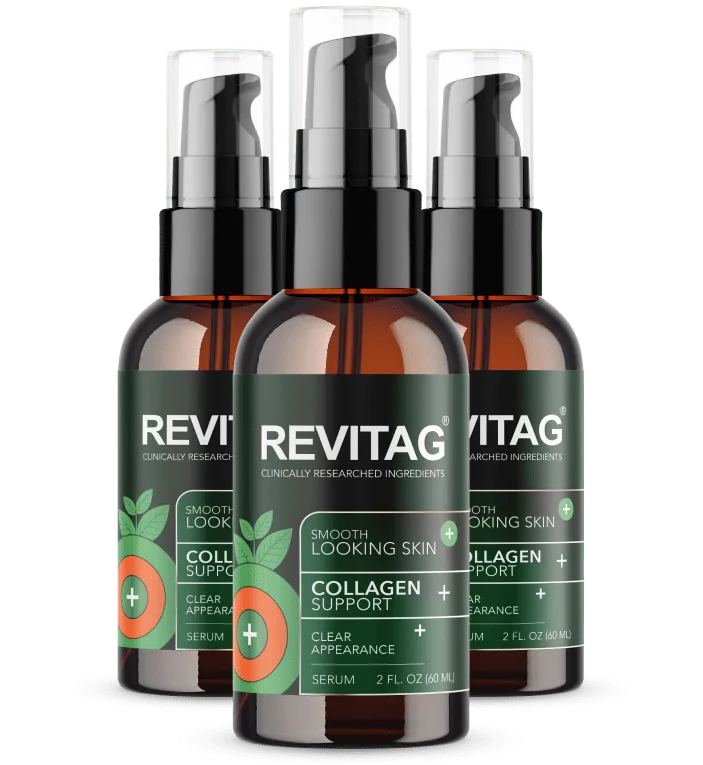
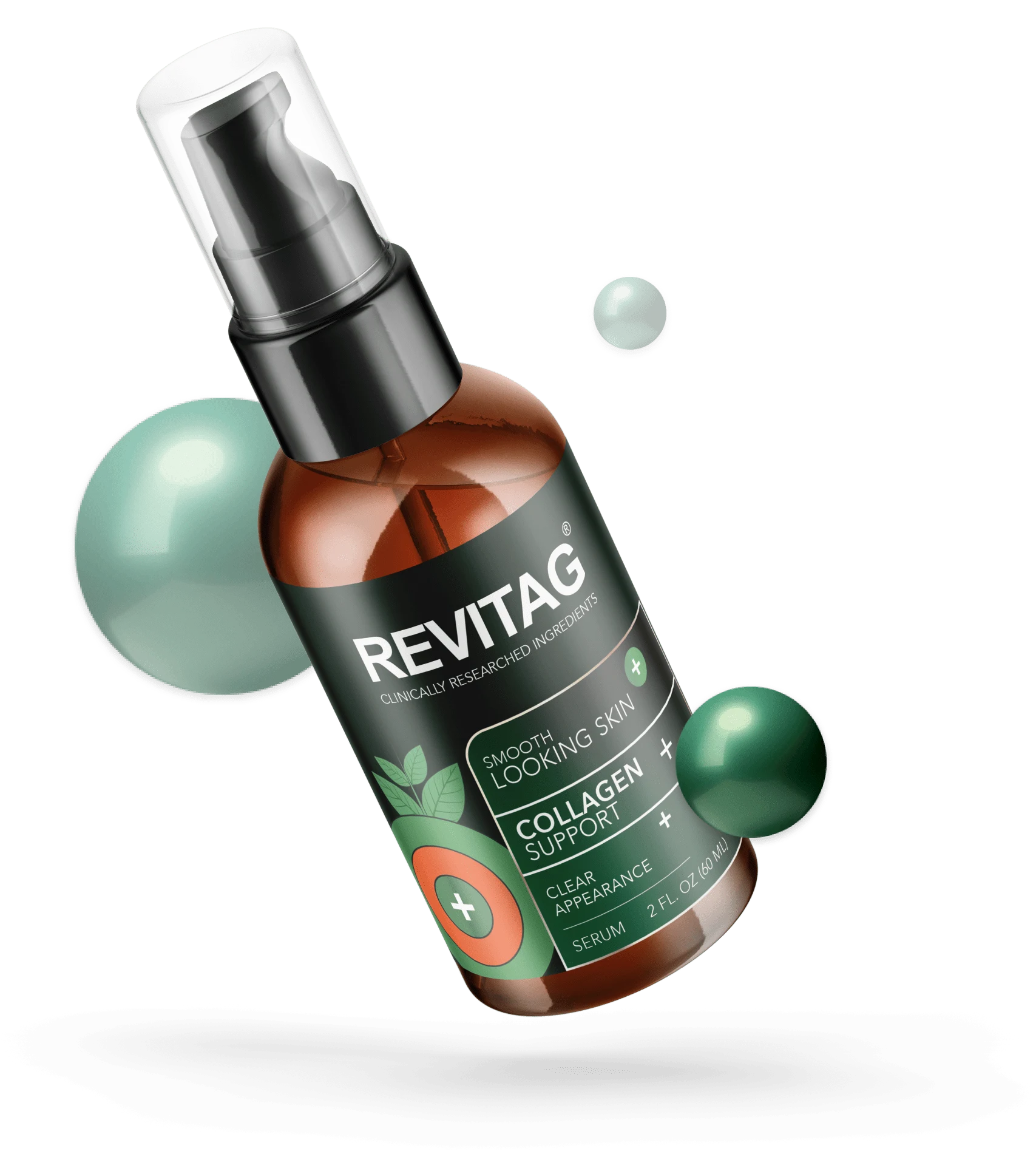
ReviTag is formulated with a powerful blend of natural ingredients, each carefully selected for its proven benefits in supporting skin health, healing, and resilience. While zinc plays a crucial role, it's the synergy of these components that offers a comprehensive solution for managing blemishes and promoting a radiant complexion. This unique combination is designed to work from within, nourishing your skin at a cellular level.
Zinc
Role: Essential for cell division, protein synthesis, and collagen formation. Acts as an anti-inflammatory, antioxidant, and helps regulate sebum production, crucial for healing and fighting acne-causing bacteria. Supports overall skin immunity and repair.
Vitamin C
Role: A powerful antioxidant that protects skin from free radical damage. Vital for collagen synthesis, promoting skin elasticity and firmness. Aids in brightening skin tone and reducing hyperpigmentation, contributing to a clearer complexion.
Turmeric (Curcumin)
Role: Known for its potent anti-inflammatory and antioxidant properties. Helps calm irritated skin, reduce redness, and supports the healing of blemishes. Contributes to an even skin tone and overall skin radiance.
Aloe Vera
Role: Soothing and moisturizing, Aloe Vera promotes skin healing and reduces inflammation. It's rich in vitamins, enzymes, and antioxidants that support skin repair and hydration, making it ideal for compromised or irritated skin.
Resveratrol
Role: A potent antioxidant found in grapes, Resveratrol offers significant anti-aging benefits by protecting against oxidative stress. It also has anti-inflammatory properties, helping to maintain youthful, resilient skin and reduce the impact of environmental damage.
Selenium
Role: Another powerful antioxidant, Selenium works synergistically with zinc to protect cells from oxidative damage. It supports immune function and plays a role in skin elasticity and health, contributing to a robust skin defense system.
Achieve Radiant, Clear Skin with ReviTag
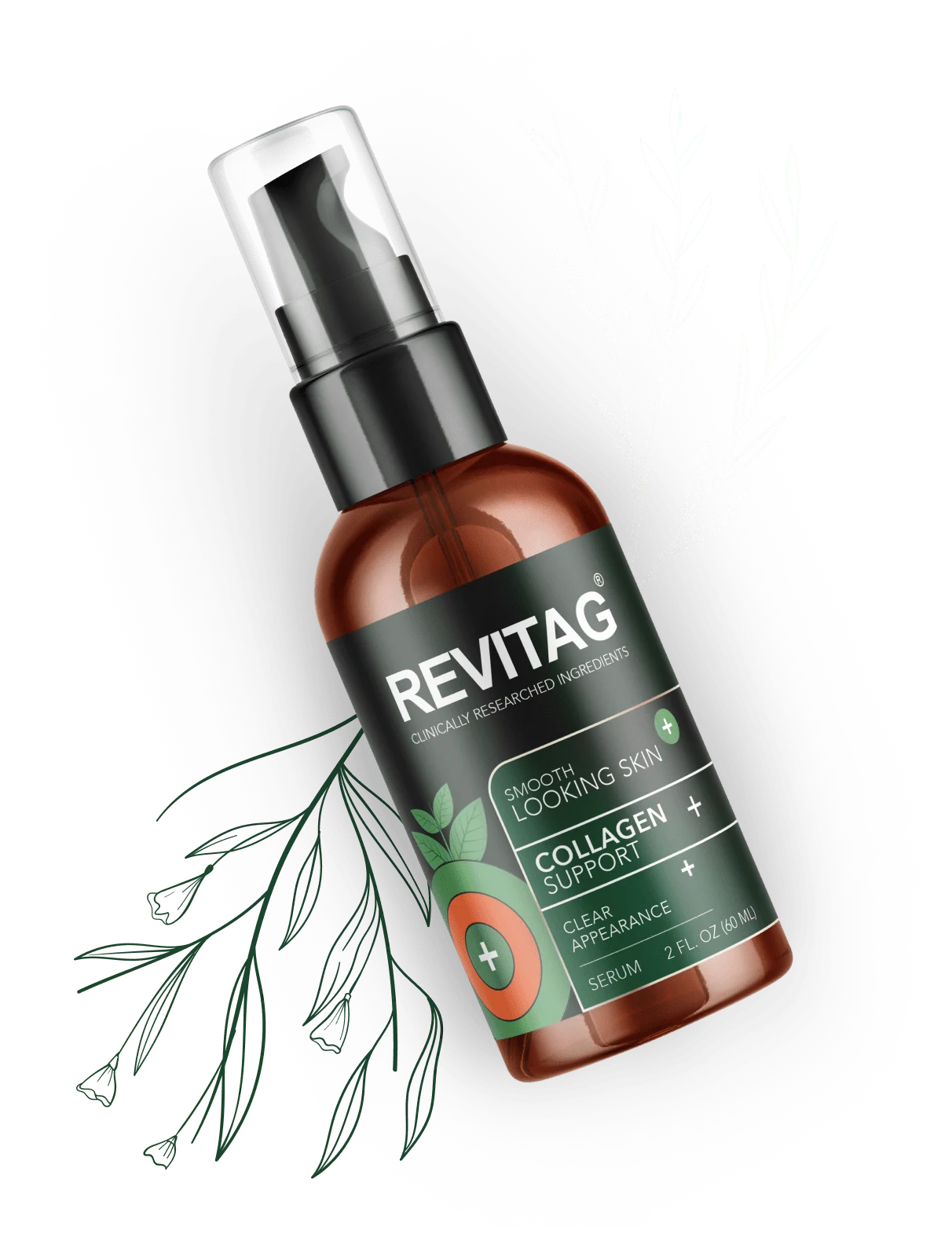
ReviTag offers a natural, comprehensive solution to support your skin's health, aiding in healing and reducing the appearance of blemishes and skin tags. Formulated with potent ingredients, it's designed to help you regain confidence in your skin by addressing the underlying factors that contribute to various skin imperfections. Experience the power of nature combined with scientific research for your dermatological well-being.
- ✓ Supports natural skin healing processes
- ✓ Reduces the appearance of blemishes and skin tags
- ✓ Formulated with 100% natural and potent ingredients
- ✓ Promotes clearer, smoother, and healthier skin
- ✓ Backed by a 60-Day Money-Back Guarantee


Final Thoughts on Zinc and Your Skin
Zinc is far more than just another mineral; it's a fundamental building block for healthy, resilient skin. Its extensive roles in inflammation control, wound healing, antioxidant defense, and sebum regulation make it an indispensable nutrient for anyone striving for a clear and vibrant complexion. From effectively treating acne to accelerating the repair of damaged tissues, zinc works at a cellular level to fortify your skin's natural capabilities.
While zinc is a powerful ally, remember that optimal skin health is often a result of a holistic approach that includes a balanced diet, proper hydration, effective skincare practices, and targeted supplementation when needed. By understanding and leveraging the profound benefits of zinc, you empower your skin to heal, protect itself, and maintain its natural radiance. Whether you choose to boost your dietary intake or consider a high-quality supplement like ReviTag, prioritizing zinc in your health regimen is a strategic step towards achieving the clear, healthy skin you desire. For more information on supplements that can support your skin health, check out our skin tag removal supplement review 2026.
Real Results, Real People
"I've struggled with adult acne for years, and nothing seemed to work. After adding ReviTag to my routine, I noticed a dramatic reduction in inflammation and fewer breakouts. My skin feels healthier and looks so much clearer. It's truly been a game-changer!"
"I was skeptical at first, but ReviTag really helped my skin. I had a few stubborn blemishes and they've significantly diminished. My skin feels smoother and looks more even-toned. I'm so glad I tried it, it's given me back my confidence!"
"My dermatologist recommended looking into natural supplements for skin health, and ReviTag came highly recommended. I've seen an improvement in my skin's overall texture and resilience, and it seems to heal much faster. Definitely a staple in my routine now."
Frequently Asked Questions
How does zinc contribute to skin healing?
+Zinc is vital for cell division, protein synthesis, and enzyme function, all critical processes in wound healing. It supports collagen formation, reduces inflammation, and protects skin cells from oxidative damage, accelerating the repair of damaged tissues and minimizing scarring.
Can zinc effectively treat acne?
+Yes, zinc can be very effective in treating acne due to its anti-inflammatory and antibacterial properties. It helps reduce redness and swelling associated with acne lesions, regulates sebum production, and inhibits the growth of acne-causing bacteria like P. acnes. Both oral supplements and topical applications can be beneficial.
Is zinc useful for skin tags and other blemishes?
+While zinc is not a direct remedy for existing skin tags, its role in promoting overall skin health, efficient cell turnover, and reducing inflammation creates an environment less conducive to various skin blemishes. By supporting skin integrity and cellular regeneration, zinc helps maintain a healthier dermis, which can indirectly contribute to managing blemishes and potentially reduce the likelihood of new imperfections.
What are the best sources of zinc for skin health?
+Excellent dietary sources of zinc include red meat, poultry, seafood (especially oysters), legumes, nuts, seeds, and whole grains. For those with deficiencies or specific skin concerns, zinc supplements (such as zinc gluconate, picolinate, or citrate) can be considered, but always under professional guidance.
Are there any side effects of taking zinc supplements?
+When taken at appropriate doses, zinc supplements are generally safe. However, excessive intake can lead to side effects such as nausea, vomiting, diarrhea, abdominal cramps, and headaches. Long-term high doses can also interfere with copper absorption and suppress immune function. It's crucial to follow recommended dosages and consult a healthcare provider.
How does ReviTag incorporate zinc for skin health?
+ReviTag is formulated with a carefully selected blend of natural ingredients, including a bioavailable form of zinc, designed to synergistically support comprehensive skin health. It aims to leverage zinc's anti-inflammatory and healing properties, alongside other potent botanicals and vitamins, to promote clearer skin, reduce blemishes, and enhance the skin's natural regenerative processes. It's an all-natural approach to supporting your skin's vitality.
Related Articles