Tired of battling stubborn blemishes and unwelcome skin tags?
Achieving clear, radiant skin isn't just about what you put on it; it's a holistic journey that begins from within. Our skin, the body's largest organ, often reflects our internal health and lifestyle choices. From the foods we eat to the stress we manage, every daily decision leaves its mark.
Understanding the intricate connection between your daily habits and your skin's appearance is the first step towards a complexion you'll love. This guide will reveal actionable lifestyle tips for healthy skin and fewer blemishes, helping you nurture your skin naturally and effectively address concerns like skin tags.
The Holistic Connection: How Lifestyle Shapes Your Skin
Your skin is a mirror reflecting your overall health. Every choice, from what you eat to how much you sleep, contributes to its condition. Understanding this intricate relationship is key to achieving a truly radiant complexion.
Many common skin concerns, including persistent blemishes, dullness, and even the formation of skin tags, aren't just superficial issues. They can often be signals from your body, indicating imbalances or areas where your lifestyle could use some adjustment. For instance, chronic inflammation, often linked to diet, can manifest as acne, while hormonal fluctuations influenced by stress can contribute to various skin anomalies. By adopting a holistic approach, we can address these root causes, leading to not just clearer skin, but also improved overall well-being.
This guide will delve into practical, evidence-based strategies that empower you to take control of your skin's health. We'll explore how specific dietary choices can nourish your skin from within, the profound impact of stress management on your complexion, the rejuvenating power of sleep, and the importance of a mindful skincare routine. Our goal is to equip you with the knowledge and tools to foster a healthy skin environment, naturally reducing blemishes and mitigating the factors that contribute to skin tags.
💡 Key Takeaway
Healthy skin is a direct reflection of a healthy lifestyle. Addressing diet, stress, sleep, and proper care holistically offers the most effective path to reducing blemishes and managing skin tags naturally.
Nourish from Within: The Power of Diet for Clear Skin
What you eat directly impacts your skin's health, vitality, and ability to ward off blemishes and other imperfections. A nutrient-rich diet is your first line of defense.
Embrace Antioxidant-Rich Foods
Antioxidants are crucial for fighting free radicals, which cause cellular damage and contribute to premature aging and blemishes. Load up on berries, leafy greens (spinach, kale), colorful vegetables (bell peppers, sweet potatoes), and dark chocolate. These foods help protect your skin cells and reduce oxidative stress, leading to a brighter, more even complexion.
Incorporate Healthy Fats
Omega-3 fatty acids, found in fatty fish (salmon, mackerel), flaxseeds, chia seeds, and walnuts, are powerful anti-inflammatory agents. They help maintain the skin's lipid barrier, locking in moisture and protecting against irritants. This can significantly reduce redness, dryness, and the severity of inflammatory blemishes. A robust skin barrier is also less prone to irritation that can sometimes contribute to skin tag formation.
Prioritize Hydration
Water is essential for maintaining skin elasticity, flushing out toxins, and delivering nutrients to skin cells. Dehydrated skin can appear dull, accentuate fine lines, and even trigger excessive oil production as the skin tries to compensate, leading to more blemishes. Aim for at least 8 glasses of water daily, and consider herbal teas or water-rich fruits and vegetables.
Limit Processed Foods and Sugar
High glycemic index foods (processed snacks, sugary drinks, white bread) can cause blood sugar spikes, leading to increased inflammation and oil production, which are major culprits behind acne and other blemishes. Reducing these can help stabilize your hormones and calm your skin. Focus instead on whole, unprocessed foods that provide sustained energy and nutrients.
Consider Probiotics for Gut Health
A healthy gut microbiome is increasingly linked to clear skin. Probiotic-rich foods like yogurt, kefir, sauerkraut, and kimchi can support gut health, which in turn can reduce systemic inflammation and improve skin conditions. The "gut-skin axis" theory suggests that an imbalance in gut bacteria can manifest as skin issues, making gut health a vital component of a blemish-free complexion.
Stress Less, Glow More: The Impact of Stress on Your Skin
Stress is an undeniable part of modern life, but its effects on your skin can be profound. Learning to manage stress is not just good for your mind, but vital for a clear, healthy complexion.
When you're stressed, your body produces more cortisol, the "stress hormone." Elevated cortisol levels can lead to a cascade of negative effects on your skin, including increased oil production, which clogs pores and leads to acne breakouts. It can also trigger inflammation, making existing blemishes worse and slowing down the healing process. Furthermore, chronic stress can impair the skin's barrier function, making it more vulnerable to environmental aggressors and infections. While stress doesn't directly cause skin tags, it can certainly exacerbate skin irritation and inflammation, potentially contributing to conditions where tags might proliferate.
Effective stress management techniques are therefore critical for maintaining healthy skin. Simple practices like deep breathing exercises, meditation, or spending time in nature can significantly lower cortisol levels. Regular physical activity, as discussed later, is also an excellent stress reliever. Even dedicating a few minutes each day to a hobby or quiet reflection can make a noticeable difference. Prioritizing mental well-being is a powerful, yet often overlooked, strategy for achieving a consistently clear and calm complexion.
The Beauty Sleep Advantage: Rejuvenate Your Skin Overnight
Sleep is not a luxury; it's a fundamental necessity for your skin's health. During deep sleep, your body enters a repair and regeneration mode that is vital for a clear, youthful complexion.
When you sleep, your skin's blood flow increases, providing essential nutrients and oxygen. This is when your skin produces new collagen, repairs damage from environmental stressors, and regenerates cells. Insufficient sleep, often referred to as "beauty sleep deprivation," disrupts these crucial processes. Lack of sleep can lead to a dull complexion, increased puffiness, and the exacerbation of dark circles. It also elevates cortisol levels, as mentioned before, which can trigger inflammation and lead to more acne and blemishes. Moreover, chronic sleep deprivation can weaken the skin's barrier, making it more susceptible to external irritants and slowing down the healing of any existing skin issues.
Aim for 7-9 hours of quality sleep each night. Establishing a consistent sleep schedule, creating a relaxing bedtime routine, and optimizing your sleep environment (dark, cool, quiet) can significantly improve your skin's ability to repair itself. Think of sleep as your skin's nightly spa treatment – it's when the magic truly happens, leading to a refreshed, clearer, and more resilient complexion when you wake.
Your Daily Ritual: A Mindful Skincare Routine for Clarity
While internal health is paramount, a consistent and gentle external skincare routine is essential for managing blemishes, protecting your skin, and maintaining its natural balance.
Gentle Cleansing
Cleanse your face twice daily with a mild, pH-balanced cleanser. Avoid harsh soaps or excessive scrubbing, which can strip your skin of its natural oils, leading to irritation and potentially more breakouts. Gentle cleansing removes impurities, makeup, and excess oil without disrupting the skin's protective barrier.
Hydrating Moisturizer
Even oily or blemish-prone skin needs moisture. Choose a non-comedogenic (won't clog pores) moisturizer appropriate for your skin type. Hydration helps maintain the skin's barrier function, keeping it plump, supple, and less prone to irritation. A well-hydrated skin barrier is crucial for defense against environmental damage.
Daily Sun Protection
Sun exposure can worsen hyperpigmentation from blemishes and contribute to premature aging. Use a broad-spectrum sunscreen with at least SPF 30 every single day, even on cloudy days. UV rays can also make skin tags darker or more prominent, so consistent sun protection is vital for overall skin health.
Avoid Picking and Popping
Resist the urge to pick at blemishes or skin tags. This can introduce bacteria, lead to infection, worsen inflammation, and result in scarring or post-inflammatory hyperpigmentation. Allow blemishes to heal naturally or use targeted spot treatments. For skin tags, consult a dermatologist for safe removal options if they are bothersome.
Check Ingredients
Be mindful of the ingredients in your skincare products. Look for terms like "non-comedogenic," "fragrance-free," and "hypoallergenic." Certain chemicals can irritate sensitive skin and exacerbate blemishes. Natural ingredients like salicylic acid (from willow bark) or tea tree oil can be beneficial for acne-prone skin in moderation.
Consider Gentle Exfoliation
Regular, gentle exfoliation (1-2 times a week) can help remove dead skin cells that clog pores and contribute to a dull complexion. Opt for chemical exfoliants like AHAs or BHAs over harsh physical scrubs, which can cause micro-tears and irritation. This promotes cell turnover, revealing fresher, smoother skin.
Beyond the Basics: Specific Strategies for Blemishes and Skin Tags
While general lifestyle habits form the foundation, some targeted approaches can be particularly effective for addressing specific concerns like persistent blemishes and skin tags.
Tackling Persistent Blemishes
For those struggling with chronic breakouts, it's important to consider factors beyond surface-level care. Hormonal imbalances, often exacerbated by stress and diet, are a common cause. Incorporating foods that support hormonal balance, such as cruciferous vegetables (broccoli, cauliflower) and healthy fats, can be beneficial. Additionally, ensuring adequate intake of zinc and Vitamin A, both vital for skin health and immune function, can help regulate oil production and reduce inflammation. If your blemishes are severe or cystic, consulting a dermatologist is always recommended. They can help identify underlying causes and suggest prescription treatments or procedures.
Managing Skin Tags Naturally
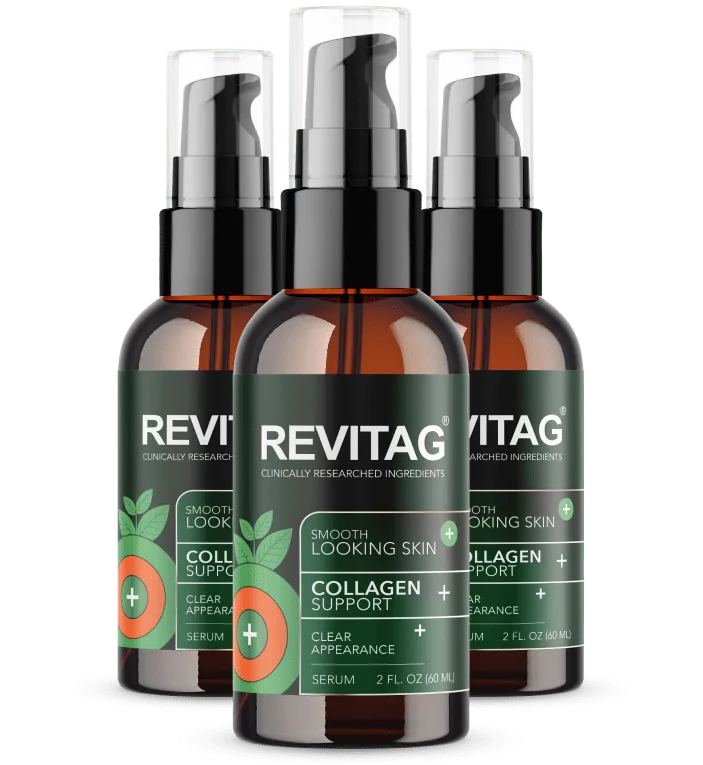
Skin tags are small, benign growths that often appear in areas of friction, such as the neck, armpits, and groin. While generally harmless, they can be a cosmetic concern. Lifestyle factors that may contribute to their development include obesity, diabetes, and hormonal changes. Maintaining a healthy weight and managing blood sugar levels can help reduce their occurrence. Some individuals find success with natural home remedies for skin tag removal, such as apple cider vinegar or tea tree oil, applied topically with caution. However, it's important to note that these methods are not scientifically proven and should be approached with care to avoid skin irritation. For safe and effective removal, a medical professional can offer options like cryotherapy or surgical excision. For those seeking a complementary, non-invasive approach, a natural supplement like ReviTag can offer internal support.
For more insights into beneficial ingredients, you might explore articles on herbs for skin health, which delve into botanical extracts known for their skin-healing properties. Understanding the science behind these natural components can empower you to make informed decisions about your skincare and supplementation choices.
Supporting Your Skin from Within: Introducing ReviTag
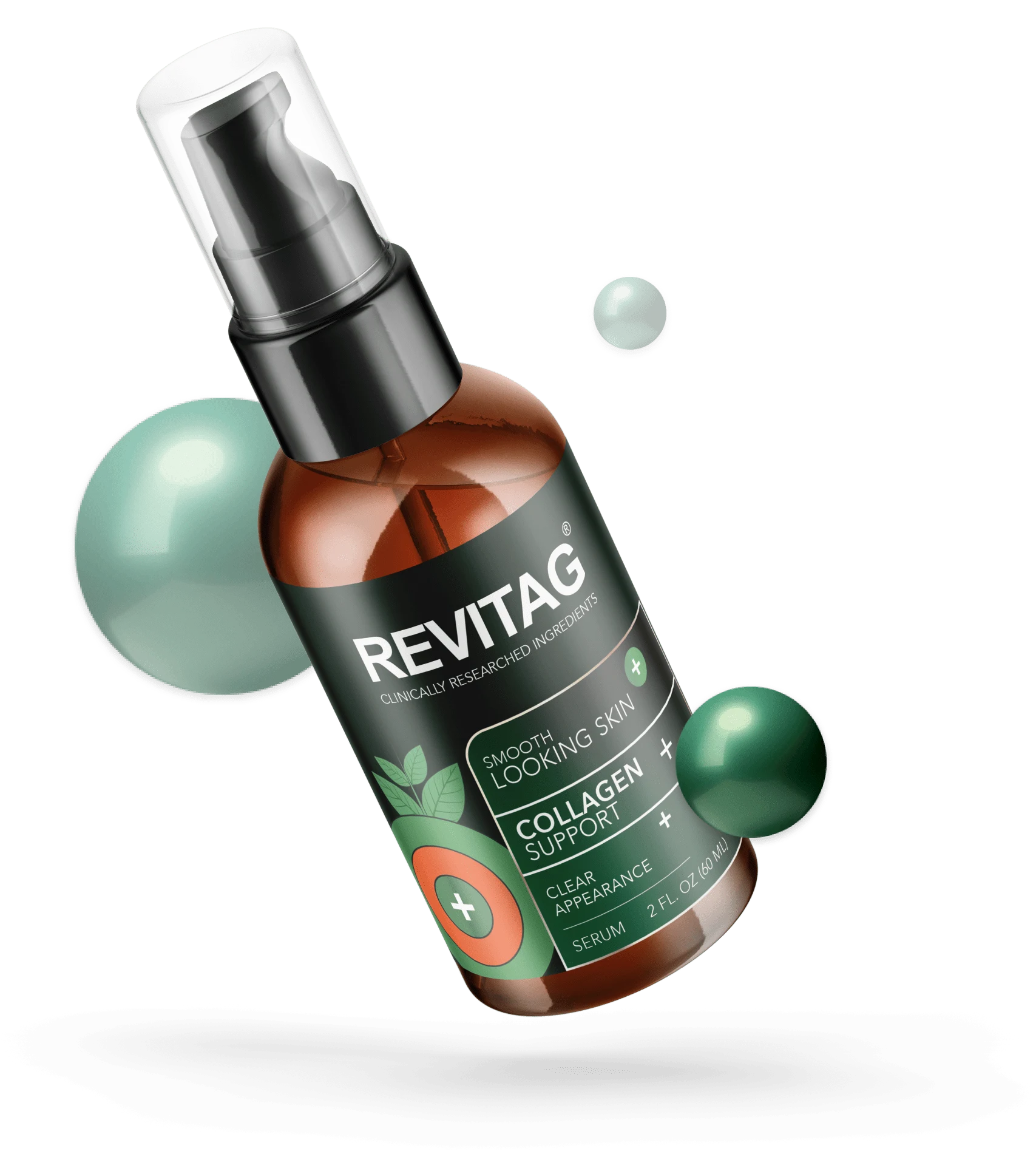
While lifestyle changes are the bedrock of healthy skin, sometimes our bodies need an extra boost. ReviTag offers a carefully selected blend of natural ingredients designed to complement your efforts and provide comprehensive support for clearer, healthier skin and the reduction of blemishes and skin tags.
Bloodroot (Sanguinaria canadensis)
Traditionally used for its skin-cleansing properties, Bloodroot is believed to help in the natural drying and removal of skin tags and blemishes. It's thought to stimulate a localized immune response.
Turmeric (Curcuma longa)
A powerful anti-inflammatory and antioxidant, Turmeric supports skin healing, reduces redness, and helps calm irritated skin. Its benefits extend to promoting an even skin tone and fighting oxidative stress.
Aloe Vera (Aloe barbadensis miller)
Known for its soothing and healing properties, Aloe Vera hydrates the skin, reduces inflammation, and supports cell repair. It can help calm irritated areas and promote a smoother complexion.
Green Tea Extract (Camellia sinensis)
Rich in polyphenols, Green Tea Extract is a potent antioxidant that protects skin from damage, reduces inflammation, and may help regulate oil production, contributing to fewer blemishes.
Zinc
An essential mineral for skin health, Zinc plays a critical role in wound healing, immune function, and reducing inflammation, making it vital for managing acne and supporting overall skin integrity.
Vitamin C (Ascorbic Acid)
A powerful antioxidant, Vitamin C is crucial for collagen production, skin repair, and brightening the complexion. It also helps protect against UV damage and can reduce the appearance of dark spots from blemishes.
Echinacea (Echinacea purpurea)
Known for its immune-boosting properties, Echinacea can help the body's natural defense mechanisms, which is beneficial for fighting skin infections and promoting clearer skin.
Reishi Mushroom (Ganoderma lucidum)
An adaptogenic mushroom, Reishi helps the body cope with stress and inflammation. Its antioxidant properties support skin health and can contribute to a more balanced and resilient complexion.
ReviTag is designed to work synergistically with your healthy lifestyle choices, providing targeted nutritional support to help you achieve the clear, smooth skin you desire. It's a natural option for those looking to address skin tags and blemishes from the inside out. When considering supplements, it's also helpful to understand how different products compare; you can learn more about this by reading about ReviTag vs. other skin tag products.
The Role of Exercise and Movement in Skin Detoxification
Beyond physical fitness, regular exercise offers profound benefits for your skin, aiding in detoxification and promoting a healthy glow.
Physical activity increases blood circulation, which means more oxygen and nutrients are delivered to your skin cells. This improved blood flow helps to carry away waste products and free radicals, essentially giving your skin an internal cleanse. Sweating during exercise also helps to clear out pores, preventing the buildup of dirt and oil that can lead to blemishes and blackheads. However, it's crucial to cleanse your skin promptly after a workout to remove sweat and bacteria that could otherwise clog pores.
Moreover, exercise is a fantastic stress reliever. As discussed earlier, reducing stress directly impacts cortisol levels, which in turn can mitigate acne breakouts and other stress-related skin issues. Consistent physical activity can also help regulate hormones, contributing to a more balanced internal environment that reflects positively on your complexion. Incorporate a mix of cardio, strength training, and flexibility exercises into your routine for optimal overall health and radiant skin.
Ready for Clearer, Smoother Skin? Try ReviTag Today!
Take the next step towards a confident, blemish-free complexion. ReviTag offers a natural, powerful formula designed to support your skin's health from within, helping to reduce the appearance of skin tags and blemishes.
- ✓ All-natural ingredients for gentle action
- ✓ Supports natural skin tag & blemish reduction
- ✓ Promotes overall skin health & radiance
- ✓ Easy-to-use daily supplement
- ✓ Backed by a 60-Day Money-Back Guarantee



Hear From Our Happy Customers
"I've struggled with skin tags for years, and nothing seemed to work. After incorporating the lifestyle tips from this article and adding ReviTag to my routine, I've seen a noticeable difference. My skin feels smoother and clearer, and some of the smaller tags are actually shrinking. I'm truly impressed!"
"My complexion used to be riddled with blemishes, and I felt so self-conscious. This article's advice on diet and stress management was a game-changer. ReviTag really helped accelerate the process, calming my skin and reducing breakouts. I finally feel confident enough to go makeup-free!"
"I was skeptical at first, but the combination of better sleep, a healthier diet, and ReviTag has transformed my skin. The persistent blemishes around my chin are almost gone, and my skin tags feel less irritated. It's truly a holistic approach that works. Highly recommend giving it a try."
Frequently Asked Questions
How do diet and hydration impact skin health and blemishes?
+Your diet plays a crucial role in skin health. Foods rich in antioxidants, vitamins (especially A, C, E), and omega-3 fatty acids can combat inflammation, support cell regeneration, and protect against environmental damage. Staying well-hydrated is equally important, as water helps flush out toxins, maintains skin elasticity, and ensures proper nutrient delivery to skin cells. A balanced diet and adequate water intake can significantly reduce the occurrence of blemishes and improve overall skin texture.
Can stress truly cause skin tags and exacerbate blemishes?
+Yes, stress is a significant factor in skin health. Chronic stress triggers the release of hormones like cortisol, which can increase oil production, leading to clogged pores and breakouts. It can also impair the skin's barrier function, making it more susceptible to inflammation and infection. While stress doesn't directly cause skin tags, it can weaken the immune system and exacerbate existing skin conditions, potentially making the skin more prone to various growths and irritations. Managing stress through relaxation techniques, exercise, and sufficient sleep is vital for clearer skin.
What role does a proper skincare routine play in preventing blemishes and managing skin tags?
+A consistent and gentle skincare routine is fundamental. This includes cleansing twice daily with a mild cleanser to remove impurities without stripping natural oils, moisturizing to maintain the skin's barrier, and using broad-spectrum SPF to protect against UV damage. For blemishes, look for non-comedogenic products. While skincare products generally don't remove skin tags, a healthy skin environment can help prevent new ones from forming by reducing friction and irritation. Regular exfoliation can also promote cell turnover and a smoother complexion.
Are natural remedies effective for reducing skin tags and improving skin clarity?
+Many natural remedies are lauded for their skin-supporting properties. Ingredients like tea tree oil, apple cider vinegar, and certain botanical extracts are often used for their antiseptic, anti-inflammatory, or drying effects, which some people find helpful for reducing the appearance of blemishes and even shrinking skin tags over time. However, results vary greatly, and it's essential to use them cautiously and perform patch tests. For a comprehensive approach, combining these with a targeted supplement like ReviTag, which utilizes natural ingredients, can offer enhanced support for skin health.
How long does it take to see results from lifestyle changes for skin health?
+The timeline for seeing results from lifestyle changes varies depending on individual factors like skin type, severity of existing issues, and consistency of new habits. Generally, improvements in skin texture, hydration, and reduction in blemishes can start to become noticeable within a few weeks to a few months. Deeper issues, or the complete resolution of skin tags, might take longer. Consistency is key; sustained healthy habits are essential for long-term skin health and noticeable, lasting improvements.
Why consider a supplement like ReviTag for skin tags and blemishes?
+While lifestyle changes are paramount, sometimes the body needs an extra boost to address stubborn skin concerns. Supplements like ReviTag are formulated with a blend of natural ingredients, often including vitamins, minerals, and herbal extracts, specifically chosen for their known benefits in supporting skin health, reducing inflammation, and potentially aiding in the natural reduction of skin tags and blemishes. They can complement your healthy lifestyle, providing internal support to accelerate improvements and maintain a clearer, smoother complexion from within.
Related Articles