Is Your Water Intake Truly Reflecting on Your Skin?
We often hear that drinking enough water is good for us, but the profound impact of hydration on our skin's health and appearance is frequently underestimated. From its elasticity and glow to its ability to ward off common dermatological concerns, water is arguably the most fundamental nutrient for your skin.
As a dermatological health researcher, I've seen countless cases where improving water intake alone has led to significant improvements in skin quality, helping to reduce the visibility of issues like skin tags and other blemishes, making it a cornerstone of any effective skincare regimen.
The Science of Hydration: Why Water is Your Skin's Best Friend
Your skin, the largest organ of your body, is comprised of approximately 75% water. This isn't just a statistic; it's a fundamental truth that underscores water's vital role in maintaining the skin's structure, function, and appearance.
At a cellular level, water is indispensable. It acts as a solvent, transporting essential nutrients to skin cells and flushing out toxins and waste products. When your skin cells are adequately hydrated, they are plump and resilient, contributing to a smooth, supple complexion. Conversely, when your body is dehydrated, it prioritizes water delivery to vital organs, often leaving the skin as the last recipient. This can lead to a cascade of negative effects, from dullness and dryness to increased vulnerability to environmental stressors.
The skin's outermost layer, the stratum corneum, relies heavily on water content to maintain its barrier function. This barrier is crucial for protecting the body from external aggressors like bacteria and pollutants, and for preventing excessive moisture loss. A compromised skin barrier, often a result of chronic dehydration, can lead to increased sensitivity, redness, and a heightened risk of various skin conditions. Furthermore, proper hydration is key to the skin's natural exfoliation process, ensuring dead skin cells are shed efficiently, preventing buildup that can lead to clogged pores and a rough texture. This fundamental process is essential for preventing the formation or exacerbation of various skin blemishes and maintaining overall skin clarity.
💡 Key Takeaway
Water is the primary component of your skin, essential for cellular function, nutrient transport, toxin elimination, and maintaining a robust skin barrier. Optimal hydration keeps skin plump, resilient, and helps prevent various dermatological issues.
Recognizing the Red Flags: Signs Your Skin is Thirsty
Many people mistakenly attribute common skin issues to genetics or aging, overlooking the primary culprit: inadequate hydration. Learning to recognize the signs of thirsty skin is the first step toward a healthier, more vibrant complexion.
One of the most common indicators of dehydration is a noticeable lack of skin elasticity. A simple pinch test can reveal this: if your skin doesn't snap back quickly after being gently pinched, it's likely lacking water. Dehydrated skin also tends to appear dull, losing its natural radiance and glow. This is because the surface cells are shriveled, preventing light from reflecting evenly. You might also notice an increase in the visibility of fine lines and wrinkles, as plump, hydrated cells help to smooth out the skin's surface, making these imperfections less apparent.
Beyond aesthetics, dehydrated skin can feel tight, itchy, and even sensitive. It may be more prone to redness and irritation, as its protective barrier is compromised. Paradoxically, even oily skin types can suffer from dehydration; in an attempt to compensate for a lack of moisture, the skin may overproduce oil, leading to breakouts and an oily-yet-tight sensation. Addressing these signs by increasing your water intake can make a dramatic difference, not just in how your skin looks, but also in how it feels and functions. It's a foundational step towards improving overall skin health and vitality, and a proactive measure against certain skin concerns like the appearance of minor skin tags and other common blemishes.
Beyond the Basics: Multifaceted Benefits of Optimal Hydration for Your Skin
The advantages of consistent water intake extend far beyond merely quenching thirst. For your skin, the benefits are profound and comprehensive, impacting everything from its resilience to its youthful glow.
Enhanced Skin Elasticity and Suppleness
Adequate water intake ensures that your skin cells are plump and full, leading to improved elasticity. This means your skin can stretch and return to its original shape more effectively, reducing the appearance of sagging and promoting a firmer, more youthful texture. It's a natural way to maintain your skin's bounce.
Reduced Appearance of Fine Lines and Wrinkles
When skin cells are well-hydrated, they swell, which helps to smooth out the skin's surface. This plumping effect can significantly diminish the visibility of fine lines and even deeper wrinkles, making your complexion appear smoother and more youthful. It's like naturally filling out your skin from within.
Improved Skin Tone and Radiance
Hydration plays a crucial role in maintaining healthy blood flow to the skin, delivering oxygen and nutrients efficiently. This improved circulation contributes to a more even skin tone and a natural, healthy glow. Dullness and patchiness often give way to a vibrant, luminous complexion.
Faster Healing and Reduced Scarring
Water is essential for cell regeneration and repair. Well-hydrated skin is better equipped to heal itself from damage, whether it's from sun exposure, minor abrasions, or breakouts. This can lead to quicker recovery times and a reduced likelihood of permanent scarring, crucial for maintaining clear skin.
Effective Detoxification and Clarity
Drinking enough water helps your body's lymphatic system flush out toxins and waste products from the skin. This internal cleansing process can significantly reduce the incidence of clogged pores, breakouts, and other blemishes, contributing to a clearer and healthier complexion. It's your body's natural purification system at work.
Stronger Skin Barrier Function
The skin's barrier acts as its primary defense against environmental aggressors and moisture loss. Proper hydration strengthens this barrier, making your skin more resilient to pollution, UV radiation, and irritants. A robust barrier means healthier, less reactive skin that is better protected against various dermatological challenges.
How Much Water is Enough? Tailoring Your Daily Intake for Skin Health
While the "eight glasses a day" rule is a good starting point, optimal hydration is more nuanced. Your ideal water intake depends on several individual factors, making it important to listen to your body and adjust accordingly.
For most adults, aiming for approximately 2 to 3 liters (roughly 8-12 glasses) of water per day is a solid target to support general health and particularly skin hydration. However, this can increase significantly based on your activity level. If you engage in strenuous exercise, live in a hot climate, or spend a lot of time outdoors, your body will require more fluids to compensate for increased sweat loss. Pregnancy and breastfeeding also increase fluid requirements. Certain medical conditions or medications might also influence how much water you need, so it's always wise to consult with a healthcare professional if you have specific concerns.
Don't forget that water-rich foods contribute to your overall fluid intake. Fruits and vegetables like watermelon, cucumbers, oranges, and leafy greens are packed with water and essential nutrients, offering a delicious way to boost your hydration. While these foods are beneficial, they shouldn't completely replace plain water as your primary source of hydration. The goal is consistent, steady intake throughout the day, rather than large amounts all at once. Carrying a reusable water bottle and setting reminders can be simple yet effective strategies to ensure you're consistently nourishing your skin from within. This sustained effort is crucial for maintaining the skin's natural barrier and resilience, which can play a role in managing conditions such as skin tags and various other skin blemishes. For more insights on general skin health remedies, you can explore natural skin health relief remedies.
💡 Key Takeaway
Aim for 2-3 liters of water daily, adjusting for activity, climate, and health. Supplement with water-rich foods. Consistent intake is key for skin health, elasticity, and combating blemishes.
Beyond the Glass: Lifestyle Factors Complementing Hydration for Flawless Skin
While drinking sufficient water is paramount, achieving truly radiant skin involves a holistic approach. Several lifestyle factors synergize with hydration to optimize your skin's health and appearance.
Firstly, a balanced diet rich in antioxidants, vitamins, and minerals is crucial. Foods high in Vitamin C (like citrus fruits and berries) support collagen production, while Vitamin E (nuts, seeds) and Omega-3 fatty acids (fatty fish, flaxseed) protect skin cells from damage and maintain moisture. Limiting processed foods, excessive sugar, and unhealthy fats can reduce inflammation, which often manifests on the skin as breakouts or redness. Secondly, adequate sleep allows your skin cells to repair and regenerate. During sleep, your body increases blood flow to the skin, aiding in the delivery of nutrients and removal of toxins. Chronic sleep deprivation can lead to dull skin, dark circles, and exacerbate existing skin issues.
Thirdly, managing stress is vital. Stress hormones like cortisol can disrupt the skin's barrier function, trigger inflammation, and contribute to various skin conditions, including acne and eczema. Practices like meditation, yoga, or even simple deep breathing exercises can significantly improve skin health by reducing stress levels. Lastly, protecting your skin from environmental damage is non-negotiable. Consistent use of sunscreen, avoiding excessive sun exposure, and shielding your skin from pollution are essential. These measures prevent premature aging and protect the skin's integrity, allowing your hydration efforts to truly shine through. By integrating these practices with consistent water intake, you create an optimal environment for your skin to thrive, making it more resilient against issues like skin tags and blemishes, and promoting a naturally vibrant complexion. For those specifically looking into managing skin tags, understanding skin tag removal at home can be a helpful resource.
Targeting Specific Concerns: Supporting Skin Health Against Tags and Blemishes
While hydration forms the bedrock of healthy skin, some concerns, such as skin tags and certain blemishes, might require additional targeted support. These common skin growths, though typically harmless, can be a cosmetic nuisance or cause irritation.
Understanding Skin Tags
Skin tags (acrochordons) are small, soft, benign growths that commonly appear on areas where skin rubs against skin or clothing, such as the neck, armpits, groin, and eyelids. While their exact cause isn't fully understood, factors like genetics, obesity, insulin resistance, and friction are believed to contribute to their development. They are often a sign of skin that is under some form of stress or imbalance.
The Role of Internal Balance
Maintaining a balanced internal environment, supported by adequate hydration and a nutrient-rich diet, can help the skin function optimally. While water won't directly remove existing skin tags, a well-hydrated and nourished body is better equipped to manage cellular health and reduce factors that might contribute to their formation or increase their size.
Natural Support for Skin Integrity
Beyond hydration, certain natural ingredients have been traditionally used or scientifically studied for their potential to support skin integrity and address various skin imperfections. These often work by promoting healthy cell turnover, reducing inflammation, or providing antioxidant protection. Integrating such ingredients can offer a complementary approach to daily hydration and a healthy lifestyle.
Holistic Approach to Blemishes
For general blemishes, a holistic approach combining good hydration, a clean diet, stress management, and targeted topical or internal support is most effective. This comprehensive strategy not only improves the appearance of existing blemishes but also builds the skin's resilience against future issues, leading to a consistently clearer and healthier complexion.
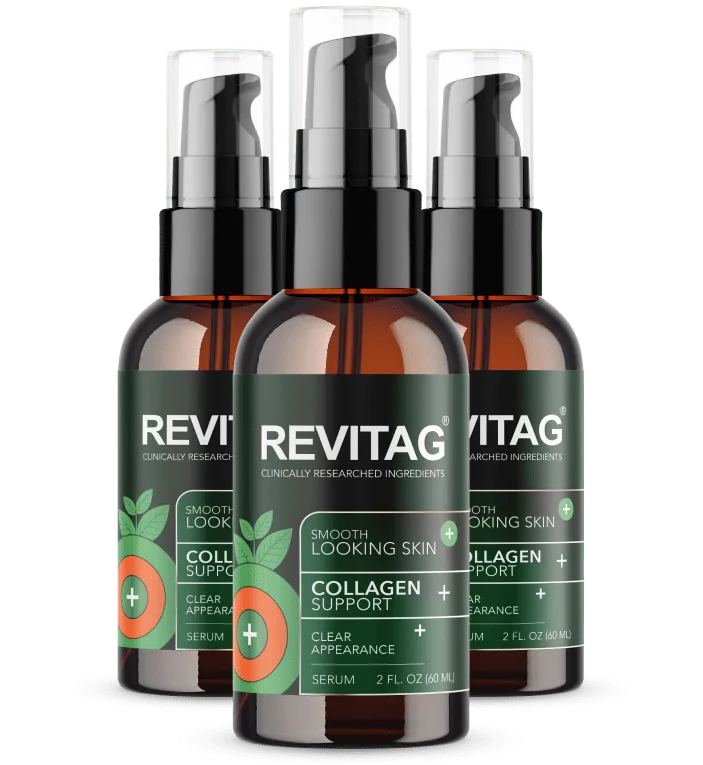
Introducing ReviTag: A Complementary Solution for Skin Tags and Blemishes
While hydration is fundamental, for those seeking additional support for skin tags and blemishes, targeted natural solutions can be incredibly beneficial. ReviTag is formulated with a blend of ingredients known for their skin-supporting properties, designed to work in harmony with your body's natural processes.
Turmeric Extract
Role: Known for its powerful anti-inflammatory and antioxidant properties, Turmeric supports overall skin health, helping to soothe and protect skin cells from environmental stressors. It contributes to a clearer and more even complexion.
Standardized to 95% CurcuminoidsAloe Vera
Role: Renowned for its hydrating and soothing abilities, Aloe Vera promotes skin repair and helps maintain moisture balance. It's excellent for calming irritated skin and supporting the healing process of minor imperfections.
200:1 ConcentrateCedar Leaf Oil
Role: Traditionally used in dermatological applications, Cedar Leaf Oil is valued for its antiseptic qualities and ability to promote healthy skin cell regeneration, making it beneficial for addressing various skin growths and blemishes.
Pure Essential Oil ExtractSweet Almond Oil
Role: A rich source of Vitamins A and E, Sweet Almond Oil is a superb emollient that deeply moisturizes the skin, improves texture, and helps to reduce the appearance of dryness and roughness. It supports skin barrier function.
Cold-Pressed, VirginTea Tree Oil
Role: With its potent antiseptic and anti-inflammatory characteristics, Tea Tree Oil is a staple for skin clarity. It helps to purify the skin, combat blemishes, and soothe irritation, contributing to a healthier skin surface.
100% Pure Melaleuca AlternifoliaVitamin E
Role: A powerful fat-soluble antioxidant, Vitamin E protects skin cells from oxidative damage caused by free radicals and UV exposure. It also aids in skin healing and helps to maintain the skin's natural moisture barrier.
D-Alpha TocopherolZinc
Role: An essential mineral vital for skin repair, immune function, and collagen synthesis. Zinc supports the skin's natural healing processes and helps regulate oil production, making it crucial for a clear and healthy complexion.
Zinc CitrateReviTag is designed to be a gentle yet effective way to help your skin look its best, working from the inside out. When combined with a diligent hydration regimen and healthy lifestyle choices, it can be a powerful ally in your quest for clearer, smoother skin. Many users have shared positive experiences; you can read more about them by visiting ReviTag reviews and real results.
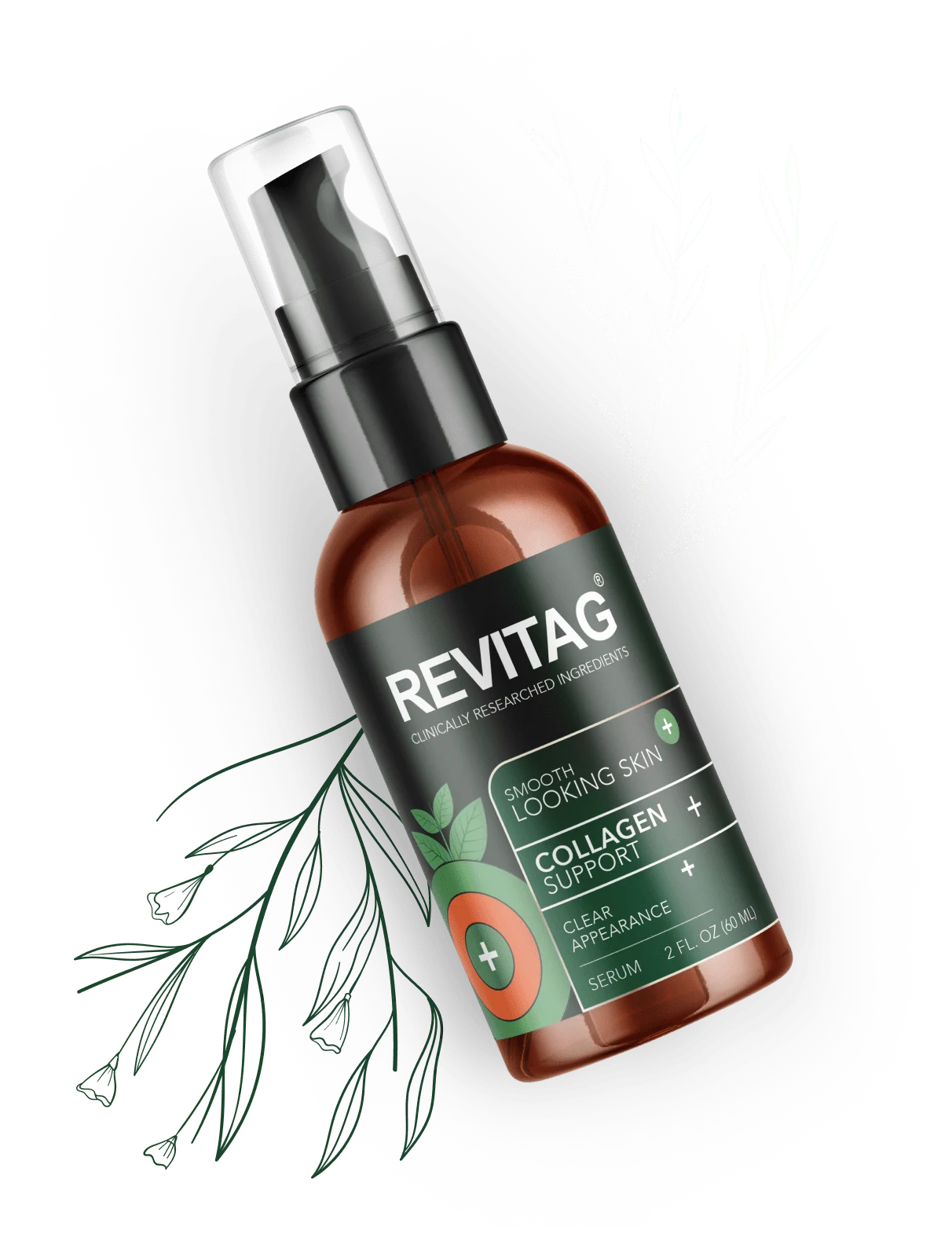
Ready to Experience the Difference with ReviTag?
Take the next step towards a clearer, more confident you. ReviTag offers a natural, gentle approach to address skin tags and blemishes, complementing your efforts for optimal skin health and hydration.
- ✓ Supports natural removal of skin tags
- ✓ Reduces the appearance of blemishes
- ✓ Formulated with potent natural ingredients
- ✓ Made in an FDA-registered, GMP-certified facility
- ✓ Backed by a 60-Day Money-Back Guarantee



What Our Customers Say About ReviTag
"I was skeptical at first, but after a few weeks of using ReviTag and focusing on my water intake, I've noticed a significant improvement in my skin. My skin tags seem to be shrinking, and my complexion looks so much clearer and more hydrated. Highly recommend!"
"ReviTag has been a game-changer for my blemishes. I pair it with drinking plenty of water, and my skin has never looked better. The little bumps and tags are fading, and my skin feels so much smoother and healthier. I'm truly impressed with the natural ingredients."
"As someone who struggled with hydration and skin issues, ReviTag was the perfect addition to my routine. My skin feels more supple, and I've seen a noticeable reduction in the small skin tags around my neck. It’s a gentle solution that really works when combined with good habits."
Frequently Asked Questions
How much water should I drink daily for optimal skin health?
+The general recommendation is to drink at least eight 8-ounce glasses of water per day, totaling about 2 liters or half a gallon. However, individual needs can vary based on factors like activity level, climate, and overall health. Listen to your body and aim for consistent hydration throughout the day.
Can drinking water really help with skin tags and blemishes?
+While drinking water doesn't directly remove skin tags or blemishes, optimal hydration supports overall skin health, making your skin more resilient and better able to heal. Dehydrated skin can exacerbate the appearance of imperfections. Good hydration helps maintain skin elasticity and a healthy cellular environment, which can indirectly contribute to clearer skin.
What are the signs of dehydrated skin?
+Dehydrated skin often appears dull, feels tight, and may show more prominent fine lines and wrinkles. It might also be itchy, sensitive, and have an uneven tone. Unlike dry skin, which lacks oil, dehydrated skin lacks water, and it can affect any skin type, including oily skin.
Are there other ways to hydrate my skin besides drinking water?
+Yes, while internal hydration is key, external hydration also plays a role. Using moisturizers, serums with hyaluronic acid, and humidifiers can help attract and retain moisture in the outer layers of your skin. Eating water-rich foods like fruits and vegetables also contributes to your daily water intake.
How long does it take to see improvements in skin health from increased water intake?
+Results can vary, but many people report noticing improvements in skin texture, elasticity, and radiance within a few weeks of consistently increasing their water intake. For more significant changes, especially concerning long-standing issues like certain blemishes, it might take a month or two for your skin cells to fully regenerate and reflect better hydration.
Is ReviTag a substitute for proper hydration?
+No, ReviTag is designed to support skin health and address issues like skin tags and blemishes through its natural ingredient blend, but it is not a substitute for proper hydration. Optimal hydration is a fundamental pillar of overall health and skin wellness. ReviTag works best as part of a holistic approach that includes adequate water intake, a balanced diet, and a healthy lifestyle.
Related Articles