Are your hormones and insulin secretly influencing your skin tags?
Many of us encounter skin tags – those small, soft, often harmless growths that appear on various parts of the body. While typically benign, their presence can sometimes be a subtle signal from your body, hinting at deeper physiological processes at play. Far from being mere cosmetic nuisances, skin tags often have fascinating connections to your internal health, particularly concerning hormonal balance and insulin regulation.
In this comprehensive guide, we'll delve into the scientific evidence linking these common skin blemishes to underlying metabolic and endocrine factors. You'll discover why understanding this connection is crucial for not just clearer skin, but also for optimizing your overall well-being and preventing more significant health challenges. Let's explore how your body's internal symphony dictates what appears on your skin.
What Exactly Are Skin Tags and Why Do They Appear?
Before we dive into the hormonal intricacies, let's establish a clear understanding of what skin tags are and their common characteristics.
Skin tags, medically known as acrochordons, are small, soft, benign skin growths that typically hang off the skin on a tiny stalk. They are usually flesh-colored or slightly darker, ranging in size from a mere speck to several millimeters. Common areas for their appearance include the neck, armpits, groin, eyelids, and under the breasts – essentially, anywhere skin rubs against skin or clothing. While they are generally harmless and don't cause pain, they can become irritated if they snag on jewelry or clothing.
Historically, skin tags were often attributed solely to friction. However, modern dermatological research has unveiled a more complex picture, suggesting that friction is merely one contributing factor, often exacerbated by underlying physiological conditions. The proliferation of these benign tumors is now understood to be significantly influenced by systemic factors, particularly those related to metabolic health and hormonal regulation. This shift in understanding moves skin tags from being just a localized skin issue to a potential indicator of broader bodily imbalances. Recognizing these deeper connections is the first step toward a more holistic approach to managing skin health and overall well-being. Understanding the root causes can empower individuals to make lifestyle choices that not only improve skin appearance but also foster better internal health.
💡 Key Takeaway
Skin tags are more than just cosmetic blemishes; they are often benign growths whose presence can signal underlying metabolic and hormonal imbalances, moving beyond simple friction as their sole cause.
The Central Role of Insulin and Insulin Resistance
At the heart of many skin tag occurrences lies the hormone insulin and the condition known as insulin resistance.
Insulin is a vital hormone produced by the pancreas, responsible for regulating blood sugar levels. After you eat, insulin helps transport glucose from your bloodstream into your cells, where it's used for energy. When this system works efficiently, your blood sugar remains stable. However, a growing number of people experience insulin resistance, a condition where the body's cells don't respond effectively to insulin. To compensate, the pancreas works overtime, producing more and more insulin, leading to elevated levels in the blood – a state known as hyperinsulinemia.
This chronic elevation of insulin is strongly implicated in the development of skin tags. High insulin levels can stimulate the growth of keratinocytes (skin cells) and fibroblasts (cells that produce connective tissue), leading to the formation of these small benign growths. Insulin also interacts with other growth factors in the body, such as insulin-like growth factor 1 (IGF-1), which further promotes cell proliferation. This means that skin tags aren't just a random occurrence; they can be a visible manifestation of an underlying metabolic issue, specifically a struggle with insulin sensitivity.
The link is so significant that skin tags are often considered a clinical marker for insulin resistance and metabolic syndrome, a cluster of conditions that increase your risk of heart disease, stroke, and type 2 diabetes. Recognizing this connection can be a powerful motivator for adopting lifestyle changes that improve insulin sensitivity, thereby potentially reducing the appearance of skin tags and, more importantly, mitigating risks to your long-term health. For more insights on improving overall health, you might find our article on vitamins for skin health helpful, as many vitamins support metabolic functions.
Beyond Insulin: Other Hormonal Influences on Skin Tags
While insulin plays a starring role, it's not the only hormone that can influence the appearance of skin tags. The body's endocrine system is a complex network, and imbalances in other hormones can also contribute.
Sex Hormones (Estrogen, Progesterone, Androgens)
Fluctuations in sex hormones, particularly during pregnancy, puberty, or menopause, are frequently associated with an increased prevalence of skin tags. The surge in estrogen and progesterone during pregnancy, for instance, is a well-documented factor. Similarly, conditions like Polycystic Ovary Syndrome (PCOS), which involves an imbalance of androgens (male hormones) and is often accompanied by insulin resistance, significantly increases the likelihood of developing skin tags. These hormonal shifts can influence skin cell growth and the overall skin environment.
Growth Hormone (GH) and IGF-1
As mentioned earlier, insulin-like growth factor 1 (IGF-1) is a hormone with a structure similar to insulin, and its levels are often influenced by insulin and growth hormone. Elevated levels of GH and IGF-1 can promote cell growth and proliferation, including in the skin. Conditions where these hormones are excessively high, such as acromegaly, are known to result in an increased number and size of skin tags. This further solidifies the link between growth-promoting hormones and skin tag formation.
Thyroid Hormones
While less directly linked than insulin or sex hormones, some research suggests a potential association between thyroid dysfunction and skin tags. Both hypothyroidism and hyperthyroidism can affect overall metabolism and skin health, potentially creating an environment conducive to skin tag development. The exact mechanism is still under investigation, but it highlights the interconnectedness of the endocrine system.
Cortisol (Stress Hormone)
Chronic stress leads to elevated cortisol levels, which can indirectly impact insulin sensitivity and other hormonal balances. While not a direct cause, prolonged high cortisol can exacerbate insulin resistance, contributing to the metabolic environment where skin tags are more likely to form. Managing stress is therefore an important component of a holistic approach to skin and metabolic health.
Who is at Risk? Identifying Key Factors
Understanding the risk factors can help you identify if you might be more susceptible to developing skin tags related to hormonal and metabolic issues.
Several groups of individuals are at a higher risk for developing skin tags, largely due to the underlying connections to insulin resistance and hormonal imbalances:
- Obesity: A strong correlation exists between obesity and skin tags. Excess body fat, particularly visceral fat around the abdomen, is known to increase insulin resistance and inflammation, creating a fertile ground for skin tag formation.
- Type 2 Diabetes: Individuals with type 2 diabetes often have significant insulin resistance and hyperinsulinemia, making them highly prone to skin tags. In some cases, skin tags can even be an early indicator of developing diabetes.
- Metabolic Syndrome: This cluster of conditions (high blood pressure, high blood sugar, excess body fat around the waist, and abnormal cholesterol or triglyceride levels) is characterized by insulin resistance and is a major risk factor for skin tags.
- Pregnancy: Hormonal shifts during pregnancy, combined with potential weight gain and increased friction, make pregnant women more susceptible to skin tags. These often regress after childbirth.
- Polycystic Ovary Syndrome (PCOS): As discussed, PCOS involves hormonal imbalances (especially elevated androgens) and is strongly linked to insulin resistance, leading to a higher incidence of skin tags in affected women.
- Genetics: There appears to be a genetic predisposition to developing skin tags. If your parents or close relatives have many skin tags, you might be more likely to develop them too, often indicating a familial tendency towards metabolic patterns.
- Age: Skin tags tend to become more common with age, possibly due to a cumulative effect of metabolic changes and increased exposure to friction over time.
Recognizing these risk factors is crucial for preventative strategies. If you fall into one or more of these categories, it's an opportune time to consider lifestyle adjustments that can improve your metabolic health and potentially reduce the incidence of skin tags. Addressing these underlying issues is far more beneficial than merely seeking cosmetic removal for skin tags, as it tackles the root cause rather than just the symptom. For natural ways to address skin tags, you might want to read our article on how to remove skin tags naturally at home, but always remember to consider the internal factors too.
Holistic Approaches: Lifestyle Interventions for Healthier Skin
Understanding the hormonal and insulin connections to skin tags empowers us to take proactive steps. The good news is that many effective interventions focus on improving overall metabolic health, which in turn benefits your skin.
Dietary Modifications
Embrace a low-glycemic diet rich in whole, unprocessed foods. Focus on lean proteins, healthy fats, and plenty of fiber from vegetables, fruits, and whole grains. Reduce intake of refined carbohydrates, sugary drinks, and processed foods, which can spike blood sugar and insulin levels. This approach helps stabilize insulin and reduces the inflammatory burden on your body.
Regular Physical Activity
Exercise is a powerful tool for improving insulin sensitivity. Aim for a combination of cardiovascular activity and strength training. Even moderate daily activity, like a brisk walk, can make a significant difference in how your cells respond to insulin, helping to lower circulating insulin levels and promote a healthier metabolic state.
Weight Management
If you are overweight or obese, even a modest weight loss can dramatically improve insulin sensitivity and reduce the risk factors associated with skin tags. Losing just 5-10% of your body weight can have profound positive effects on your metabolic health and hormonal balance.
Adequate Sleep
Chronic sleep deprivation can negatively impact insulin sensitivity and disrupt hormonal balance, including cortisol. Prioritize 7-9 hours of quality sleep per night. Establishing a consistent sleep schedule and creating a relaxing bedtime routine can significantly support your body's recovery and regulation processes.
Stress Reduction
Chronic stress elevates cortisol, which can indirectly contribute to insulin resistance. Incorporate stress-reducing practices into your daily life such as meditation, yoga, deep breathing exercises, spending time in nature, or engaging in hobbies you enjoy. Managing stress is vital for overall hormonal equilibrium.
Targeted Nutritional Support
Certain vitamins, minerals, and herbal extracts can play a supportive role in enhancing insulin sensitivity and promoting healthy skin. Ingredients like chromium, magnesium, zinc, berberine, and specific antioxidants are often studied for their potential benefits in metabolic health and cellular regeneration. These can complement a healthy lifestyle by providing targeted internal support.
Natural Support: Ingredients for Balanced Hormones & Healthy Skin
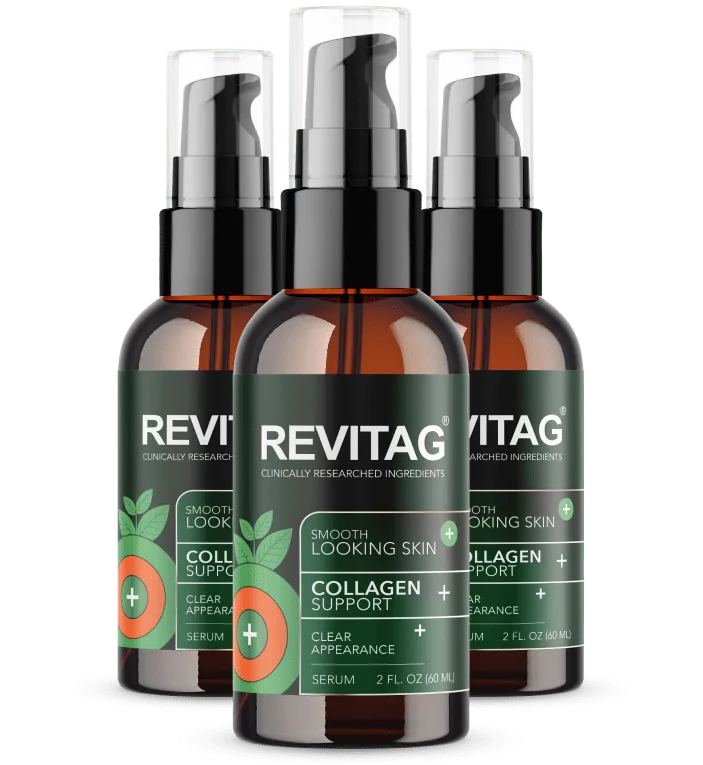
When seeking to support your body's natural balance and address factors contributing to skin tags, certain natural ingredients stand out for their potential benefits in hormonal regulation and skin health. While ReviTag contains a proprietary blend, understanding the categories of beneficial ingredients can be empowering.
Berberine
Role: Known for its powerful effects on metabolism and blood sugar regulation. Berberine can help improve insulin sensitivity, reduce glucose production in the liver, and support healthy cholesterol levels, all of which are crucial for addressing the root causes of skin tags.
Cinnamon Bark
Role: Often used to support healthy blood sugar levels, cinnamon has compounds that mimic insulin's effects, helping cells absorb glucose more efficiently. It also boasts antioxidant and anti-inflammatory properties, benefiting overall skin health.
Chromium Picolinate
Role: An essential trace mineral that plays a key role in carbohydrate and lipid metabolism. Chromium helps insulin function more effectively, improving glucose uptake by cells and thus supporting stable blood sugar levels and reduced hyperinsulinemia.
Alpha-Lipoic Acid (ALA)
Role: A potent antioxidant that can improve insulin sensitivity and protect cells from oxidative stress. ALA is also known for its skin-rejuvenating properties, helping to improve skin texture and reduce the appearance of blemishes.
Bitter Melon Extract
Role: Traditionally used in various cultures for blood sugar management. Bitter melon contains compounds that act like insulin, helping to lower blood glucose and potentially improve metabolic markers linked to skin tag formation.
Guggul Extract
Role: Derived from the sap of the Commiphora mukul tree, Guggul is often used in Ayurvedic medicine for its potential to support healthy lipid metabolism and thyroid function. These broader metabolic benefits can contribute to overall hormonal balance and skin health.
These ingredients, often found in high-quality supplements like ReviTag, are selected for their synergistic ability to support the body's natural processes related to blood sugar regulation, hormonal balance, and cellular health. By addressing these internal factors, they contribute to a healthier environment within the body, which can reflect positively on your skin.
When to Consult a Healthcare Professional
While many skin tags are harmless, it's always important to be vigilant about changes in your skin and consult a medical professional when necessary.
While this article highlights the connection between skin tags and internal health, it's crucial to remember that this information is for educational purposes and should not replace professional medical advice. You should always consult a healthcare provider if you:
- Notice any new skin growths that are rapidly changing in size, shape, or color.
- Have a skin tag that is bleeding, painful, or causing discomfort due to friction.
- Are concerned about the number or sudden increase in your skin tags.
- Suspect you might have underlying conditions like insulin resistance, metabolic syndrome, or diabetes, especially if you have other symptoms like increased thirst, frequent urination, or unexplained weight changes.
- Are considering any new supplement regimen, including products like ReviTag, to ensure it is appropriate for your individual health profile and does not interact with existing medications or conditions.
A doctor can properly diagnose skin tags, differentiate them from other skin conditions, and provide guidance on removal options if desired. More importantly, they can assess your overall health, perform relevant tests (like blood glucose or insulin levels), and recommend a comprehensive management plan that addresses any underlying metabolic or hormonal imbalances. This holistic approach ensures not only the health of your skin but also your long-term well-being. For broader skin health, you may also be interested in our anti-aging skin supplement review.

Reclaim Your Skin Confidence: Support Your Body's Natural Balance with ReviTag
You've learned about the profound connection between hormones, insulin, and the appearance of skin tags. Now, it's time to empower your body with targeted support. ReviTag is a meticulously formulated natural supplement designed to work in harmony with your body, promoting healthy insulin sensitivity and overall skin vitality from within.
- ✓ Supports healthy blood sugar metabolism
- ✓ Enhances cellular regeneration for clearer skin
- ✓ Formulated with potent natural ingredients
- ✓ Aims to reduce the appearance of skin blemishes
- ✓ Non-GMO, GMP-certified, and made in USA




What Our Customers Are Saying
"I was skeptical at first, but after a few weeks of using ReviTag, I noticed a significant difference in my skin. Some of the smaller tags seemed to diminish, and my skin felt smoother overall. It's been a game-changer for my confidence!"
"For years, I've struggled with skin tags, especially around my neck. I tried various remedies with little success. ReviTag was recommended, and I'm so glad I gave it a shot. My skin looks clearer, and I feel better knowing I'm supporting my body from within."
"As someone who has always been conscious about skin blemishes, ReviTag has been a wonderful discovery. It's not an overnight miracle, but with consistent use, I've seen a noticeable improvement in my skin's appearance and texture. Highly recommend for anyone looking for natural support."
Frequently Asked Questions
What is the primary connection between insulin resistance and skin tags?
+Insulin resistance leads to higher levels of insulin in the blood (hyperinsulinemia). This excess insulin can stimulate the growth of skin cells and fibroblasts, promoting the formation of skin tags. It's a key indicator of metabolic imbalance.
Can hormonal imbalances other than insulin resistance cause skin tags?
+Yes, while insulin resistance is a major factor, other hormonal fluctuations can also contribute. Conditions like Polycystic Ovary Syndrome (PCOS), characterized by elevated androgens, and hormonal changes during pregnancy, which involve increased estrogen and progesterone, are often associated with an increased incidence of skin tags.
Are skin tags always a sign of a serious underlying health condition?
+Not always. Skin tags are benign and very common, especially with age. However, a sudden increase in their number or size, particularly if accompanied by other symptoms, can sometimes signal underlying issues like insulin resistance, metabolic syndrome, or diabetes. It's always wise to consult a healthcare professional for evaluation.
What lifestyle changes can help reduce the appearance of skin tags linked to insulin?
+Focusing on improving insulin sensitivity is key. This includes adopting a low-glycemic diet rich in whole foods, regular physical activity, maintaining a healthy weight, ensuring adequate sleep, and managing stress. These holistic approaches can help regulate hormone levels and improve overall skin health.
How does ReviTag support skin health and address factors related to skin tags?
+ReviTag is formulated with natural ingredients known for their potential to support healthy blood sugar regulation, enhance skin regeneration, and provide antioxidant protection. By addressing underlying metabolic factors and promoting cellular health, ReviTag aims to help the body naturally reduce the appearance of skin tags and improve skin clarity as part of a comprehensive wellness routine.
When should I consult a doctor about my skin tags or blemishes?
+You should consult a doctor if a skin tag changes in color, size, or shape, becomes painful, bleeds, or if you have any concerns about new or existing skin growths. It's also advisable if you suspect an underlying health condition like diabetes or metabolic syndrome, as skin tags can sometimes be an early indicator.
Related Articles