Tired of persistent blemishes and skin tags impacting your confidence?
Achieving clear, radiant skin isn't just about what you apply topically; it's profoundly influenced by what you consume. Your diet plays a pivotal role in your skin's health, impacting everything from inflammation and oil production to cellular repair and the prevention of common blemishes like skin tags.
In this comprehensive guide, Dr. Amanda Clarke, a Dermatological Health Researcher, will unveil the powerful connection between your plate and your complexion, offering science-backed strategies to help you cultivate a clear skin diet. You'll discover how making informed dietary choices are powerful tools to not only prevent blemishes but also foster overall skin vitality and reduce the appearance of unwanted skin growths.
The Intricate Link Between Your Diet and Skin Health
Your skin, the body's largest organ, acts as a protective barrier and a window into your internal health. What you eat directly influences its structure, function, and appearance.
For too long, the idea that diet significantly impacts skin health was dismissed as anecdotal. However, modern dermatological research has increasingly affirmed a profound connection, often referred to as the "gut-skin axis." This intricate relationship means that imbalances within your digestive system, influenced heavily by your diet, can manifest as visible skin issues. When you consume foods that promote systemic inflammation, disrupt your gut microbiome, or cause hormonal fluctuations, your skin often bears the brunt, leading to conditions like acne, eczema, rosacea, and even the proliferation of benign growths like skin tags.
Understanding this fundamental link is the first step towards taking control of your skin's destiny. By choosing nutrient-dense foods and avoiding inflammatory culprits, you can actively support your skin's natural healing processes, enhance its resilience, and move closer to a perpetually clear and vibrant complexion. It's about nourishing your skin from the inside out, providing it with the essential building blocks it needs to thrive and defend against environmental stressors and internal imbalances.
💡 Key Takeaway
Your diet is a primary determinant of skin health, influencing inflammation, gut balance, and hormonal regulation, all of which directly impact the clarity and condition of your skin, including the presence of blemishes and skin tags.
The Science Behind Diet-Induced Skin Blemishes
Delving deeper, several biological mechanisms explain how certain dietary choices can contribute to skin problems and how others can prevent them.
Inflammation
Chronic low-grade inflammation, often triggered by a diet high in refined sugars, unhealthy fats, and processed foods, is a major driver of various skin conditions. This inflammation can exacerbate acne by increasing sebum production and promoting bacterial growth. It can also contribute to redness, sensitivity, and may even play a role in the development of skin tags by affecting cellular proliferation and local immune responses.
Hormonal Imbalance
Foods with a high glycemic index (sugary drinks, white bread) cause rapid spikes in blood sugar and insulin. Elevated insulin levels can stimulate the production of androgens, hormones known to increase sebum production and exacerbate acne. Insulin resistance, often linked to such diets, has also been associated with conditions like acanthosis nigricans and an increased prevalence of skin tags.
Gut Microbiome Dysbiosis
Your gut houses trillions of bacteria, and their balance significantly impacts your overall health, including your skin. A diet lacking fiber and diverse nutrients can lead to an unhealthy gut microbiome (dysbiosis). This can compromise the gut lining, leading to "leaky gut," where toxins and inflammatory compounds enter the bloodstream, triggering systemic inflammation that manifests on the skin as breakouts, redness, and irritation.
Oxidative Stress
Exposure to free radicals from diet, pollution, and UV radiation causes oxidative stress, damaging skin cells and accelerating aging. A diet poor in antioxidants leaves your skin vulnerable to this damage, impairing its ability to repair itself and maintain a clear, youthful appearance. This can lead to dullness, premature wrinkles, and a slower healing process for blemishes.
Nutrient Deficiencies
Essential vitamins and minerals like Vitamin A, C, E, Zinc, and Omega-3 fatty acids are crucial for skin health, repair, and protection. A diet lacking these vital nutrients can impair collagen production, weaken the skin barrier, reduce antioxidant defenses, and hinder wound healing, making the skin more susceptible to blemishes and less able to recover effectively.
Impact on Skin Tags
While the exact cause of skin tags is complex, they are often associated with insulin resistance, obesity, and hormonal changes. Diets that manage blood sugar levels, support a healthy weight, and reduce systemic inflammation can indirectly help in preventing the formation or growth of skin tags. Addressing these underlying metabolic factors through diet is a proactive approach.
Foods to Embrace for a Luminous, Blemish-Free Complexion
Building a clear skin diet starts with prioritizing nutrient-dense foods that actively support skin health and combat the root causes of blemishes.
Antioxidant-Rich Fruits & Vegetables
Berries, leafy greens (spinach, kale), bell peppers, and sweet potatoes are packed with vitamins A, C, and E, along with other potent antioxidants. These compounds fight free radicals, reduce oxidative stress, and protect skin cells from damage, promoting repair and a vibrant glow. They are crucial for maintaining skin integrity and preventing premature aging.
Omega-3 Fatty Acids
Found in fatty fish (salmon, mackerel), flaxseeds, chia seeds, and walnuts, omega-3s are powerful anti-inflammatory agents. They help reduce redness and irritation, strengthen the skin's lipid barrier, and regulate oil production, making them excellent for managing acne and conditions like eczema. Their role in reducing systemic inflammation is key to clear skin.
Probiotic & Prebiotic Foods
Fermented foods like yogurt, kefir, sauerkraut, and kimchi introduce beneficial bacteria to your gut, supporting a healthy microbiome. Prebiotic fibers (garlic, onions, asparagus, oats) feed these good bacteria. A balanced gut directly translates to reduced systemic inflammation and improved skin clarity, addressing the gut-skin axis effectively.
Zinc-Rich Foods
Oysters, lean meats, pumpkin seeds, lentils, and nuts are excellent sources of zinc. This essential mineral plays a critical role in immune function, wound healing, and regulating oil gland activity. Zinc also has anti-inflammatory properties, making it vital for preventing and treating acne breakouts and supporting overall skin repair.
Lean Proteins
Chicken, turkey, fish, eggs, beans, and legumes provide the amino acids necessary for collagen and elastin production, the structural proteins that keep skin firm and supple. Adequate protein intake supports skin repair, wound healing, and helps maintain a healthy skin barrier, crucial for preventing blemishes and maintaining elasticity.
Whole Grains
Unlike refined grains, whole grains like oats, brown rice, quinoa, and whole wheat have a lower glycemic index. This means they cause a slower, steadier rise in blood sugar, preventing insulin spikes that can trigger acne. They also provide fiber, which supports gut health and detoxification, further contributing to clearer skin.
Foods to Avoid or Limit for Blemish Prevention
Just as certain foods promote clear skin, others can actively undermine your efforts. Minimizing these culprits is essential for blemish prevention.
High Glycemic Index Foods
Refined sugars (sodas, candies, pastries), white bread, white pasta, and processed snacks cause rapid blood sugar spikes. These lead to increased insulin and IGF-1 levels, which can stimulate oil production, exacerbate inflammation, and contribute to acne breakouts. Minimizing these is paramount for stable blood sugar and clearer skin.
Dairy Products
For some individuals, dairy can be a significant acne trigger. Dairy contains hormones (like IGF-1) and growth factors that can mimic human hormones, potentially increasing sebum production and inflammation. While not everyone reacts to dairy, it's worth experimenting with elimination if you struggle with persistent blemishes.
Unhealthy Fats & Processed Foods
Trans fats, hydrogenated oils, and excessive saturated fats found in fast food, fried snacks, and highly processed meals promote systemic inflammation. This inflammation can directly contribute to acne, redness, and a weakened skin barrier. Opt for healthy fats like those from avocados, nuts, and olive oil instead.
Excessive Caffeine & Alcohol
While moderate consumption may be fine, excessive caffeine can contribute to dehydration and disrupt sleep, both of which negatively impact skin. Alcohol, especially in large amounts, can dehydrate the skin, increase inflammation, and dilate blood vessels, leading to redness and a dull complexion. Moderation is key.
Highly Refined Seed Oils
Vegetable oils like corn, soybean, and sunflower oil, when consumed in excess and highly refined, can increase the omega-6 to omega-3 ratio in the body, promoting inflammation. While omega-6 is essential, an imbalance can be detrimental. Focus on whole food sources of fats or healthier cooking oils like olive or avocado oil.
Hydration: The Unsung Hero of Clear Skin
Often overlooked, adequate hydration is fundamental to maintaining supple, resilient, and clear skin.
Water is essential for every bodily function, including skin health. It helps transport nutrients to skin cells, flush out toxins, and maintain the skin's elasticity and plumpness. Dehydrated skin can appear dull, accentuate fine lines, and even become more prone to breakouts because a compromised skin barrier is less effective at keeping out irritants and bacteria. Aim for at least 8 glasses (around 2 liters) of filtered water daily, more if you're active or in a hot climate.
Beyond plain water, you can also boost your hydration through water-rich foods like cucumbers, watermelon, celery, and oranges. Herbal teas can also contribute to your daily fluid intake. Remember, sugary drinks and excessive caffeine can actually dehydrate you, so prioritize pure water for optimal skin hydration.
💡 Key Takeaway
Prioritize antioxidant-rich fruits and vegetables, omega-3 fatty acids, probiotics, zinc, and lean proteins while minimizing high-glycemic foods, excessive dairy, unhealthy fats, and processed items to create a skin-supportive diet.
Beyond Diet: The Role of Targeted Supplements in Skin Wellness
While a balanced diet is the cornerstone of clear skin, even the most diligent eaters can sometimes benefit from targeted nutritional support.
Modern diets, soil depletion, and individual needs can sometimes lead to gaps in nutrient intake. This is where high-quality supplements can play a supportive role, providing concentrated doses of specific vitamins, minerals, and botanical extracts known for their dermatological benefits. For instance, many find that supplementing with key vitamins for skin health, such as Vitamin C for collagen synthesis or Zinc for immune function, can accelerate improvements in skin clarity and resilience. These supplements are not replacements for a healthy diet but rather powerful allies in your journey towards a flawless complexion, particularly when addressing persistent issues like blemishes and skin tags.
When considering supplements, it's crucial to choose formulations that are natural, well-researched, and manufactured to high standards. Products designed to address specific skin concerns can offer a holistic approach, working synergistically with your dietary efforts to optimize skin health from within. For those specifically looking to address skin tags and other common blemishes, exploring a dedicated skin tag removal supplement review 2026 might offer valuable insights into effective options.
ReviTag: A Complementary Approach to Skin Wellness
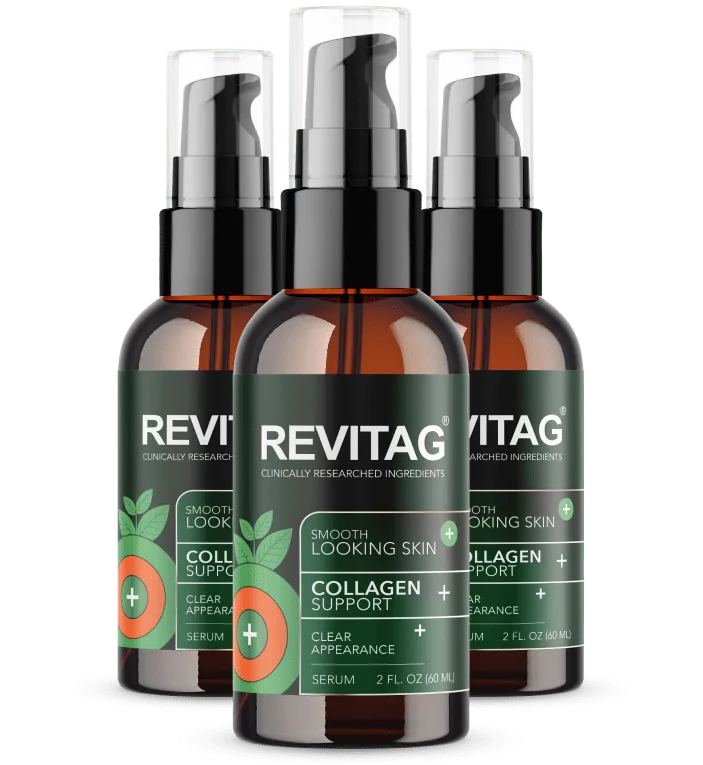
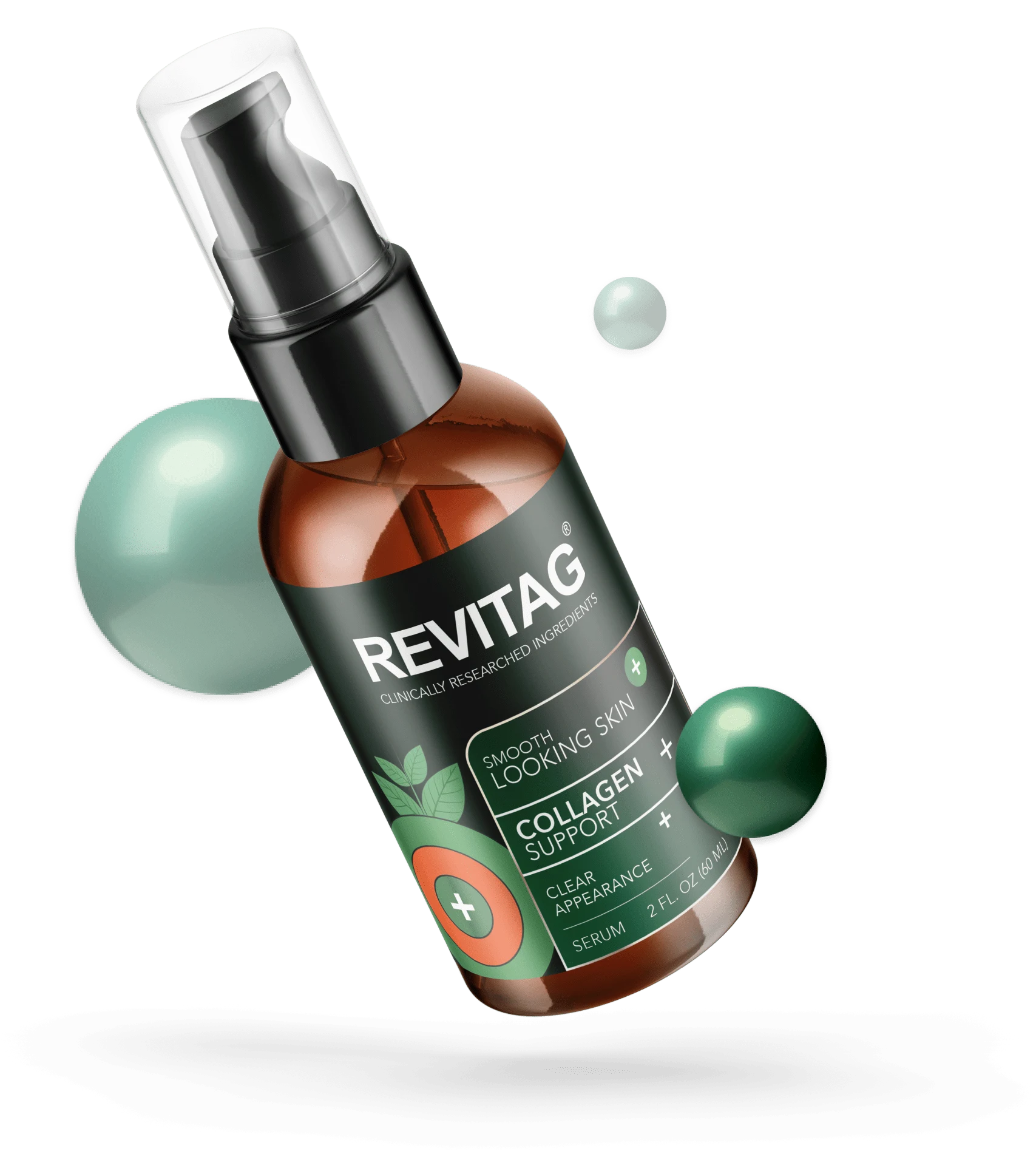
ReviTag is a natural supplement designed to support your body's ability to maintain clear, healthy skin and address common blemishes like skin tags and other imperfections. It works by harnessing the power of carefully selected ingredients that target underlying factors influencing skin health.
Turmeric Extract (Curcumin)
Known for its potent anti-inflammatory and antioxidant properties, curcumin helps reduce systemic inflammation that can exacerbate skin conditions and supports cellular repair processes. It aids in calming irritated skin and promoting a balanced skin environment.
Vitamin C (Ascorbic Acid)
An essential antioxidant, Vitamin C is crucial for collagen synthesis, helping to maintain skin elasticity and firmness. It also protects skin cells from oxidative damage, brightens complexion, and supports the immune system's role in skin healing and defense.
Zinc (as Zinc Gluconate)
This vital mineral plays a key role in immune function, wound healing, and regulating oil gland activity, making it highly effective against acne. Zinc also possesses anti-inflammatory properties and is essential for rapid cell division and growth, aiding skin repair.
Selenium (as Selenomethionine)
A powerful antioxidant, selenium protects skin cells from damage caused by free radicals and UV radiation. It supports skin elasticity, reduces inflammation, and plays a role in maintaining overall skin integrity and defense against environmental stressors.
Diindolylmethane (DIM)
DIM supports healthy hormone balance, particularly estrogen metabolism. By helping to regulate hormonal fluctuations, DIM can be beneficial in addressing hormonally-driven skin issues like adult acne and may indirectly support a balanced environment where skin tags are less likely to proliferate.
Alpha Lipoic Acid (ALA)
A universal antioxidant, ALA works in both water and fat environments to protect cells from oxidative damage. It also helps regenerate other antioxidants like Vitamin C and E, enhancing their effectiveness and contributing to overall skin health, radiance, and anti-aging.
Resveratrol
Found in grapes and berries, resveratrol is a potent antioxidant and anti-inflammatory compound. It helps protect the skin from environmental damage, supports cellular longevity, and contributes to a more youthful and even-toned complexion.
Beyond Nutrition: Holistic Lifestyle for Optimal Skin
While diet is paramount, a truly clear and healthy complexion is achieved through a holistic approach that integrates several lifestyle factors.
1. Stress Management: Chronic stress triggers the release of cortisol, a hormone that can increase oil production and inflammation, leading to breakouts. Incorporating stress-reducing activities like meditation, yoga, deep breathing exercises, or spending time in nature can significantly improve skin health. Managing stress is often as important as managing your diet.
2. Quality Sleep: Your skin undergoes repair and regeneration cycles while you sleep. Lack of adequate, restorative sleep can impair these processes, leading to dullness, puffiness, and a compromised skin barrier. Aim for 7-9 hours of quality sleep per night to allow your skin to rejuvenate effectively.
3. Regular Exercise: Physical activity boosts blood circulation, delivering essential oxygen and nutrients to skin cells while helping to flush out toxins. Sweating can also help clear pores. Just remember to cleanse your skin promptly after workouts to prevent sweat and bacteria from causing issues.
4. Consistent Skincare Routine: While internal factors are crucial, a gentle, consistent external skincare routine tailored to your skin type remains important. Cleanse twice daily, use a non-comedogenic moisturizer, and always protect your skin with broad-spectrum SPF, even on cloudy days. This external care complements your internal efforts.
5. Avoid Picking and Popping: This seems obvious but is worth reiterating. Manipulating blemishes can push bacteria deeper, leading to increased inflammation, infection, scarring, and prolonged healing times. Allow your body's natural processes, supported by your diet and lifestyle, to heal blemishes.
By integrating these lifestyle habits with your clear skin diet, you create a powerful synergy that optimizes your skin's health from all angles. For additional support in skin renewal and elasticity, you might also consider learning more about collagen supplement for skin renewal, which can complement a holistic approach.
Building Your Personalized Clear Skin Diet Plan
Creating a diet plan for clear skin is not a one-size-fits-all approach. It requires self-awareness and consistency.
1. Start Gradually: Don't overhaul your entire diet overnight. Begin by incorporating more skin-friendly foods and gradually phasing out inflammatory ones. Small, consistent changes are more sustainable in the long run.
2. Keep a Food Journal: Track what you eat and how your skin reacts. This can help you identify specific triggers that might be unique to your body. Pay attention to changes in breakouts, redness, or oiliness after introducing or eliminating certain foods.
3. Prioritize Whole Foods: Focus on consuming whole, unprocessed foods as much as possible. This means fresh fruits, vegetables, lean proteins, healthy fats, and whole grains. Minimize packaged and convenience foods that are often high in sugar, unhealthy fats, and artificial ingredients.
4. Hydrate Consistently: Make drinking adequate water a non-negotiable part of your daily routine. Carry a reusable water bottle and sip throughout the day.
5. Be Patient and Consistent: Dietary changes take time to manifest on your skin. Don't get discouraged if you don't see immediate results. Consistency is key, and over several weeks to months, you'll likely notice significant improvements.
6. Consult a Professional: If you have persistent skin issues or complex dietary needs, consider consulting a registered dietitian or a dermatologist. They can provide personalized advice and ensure your diet is balanced and effective for your specific condition.
Unlock Your Skin's Potential with ReviTag
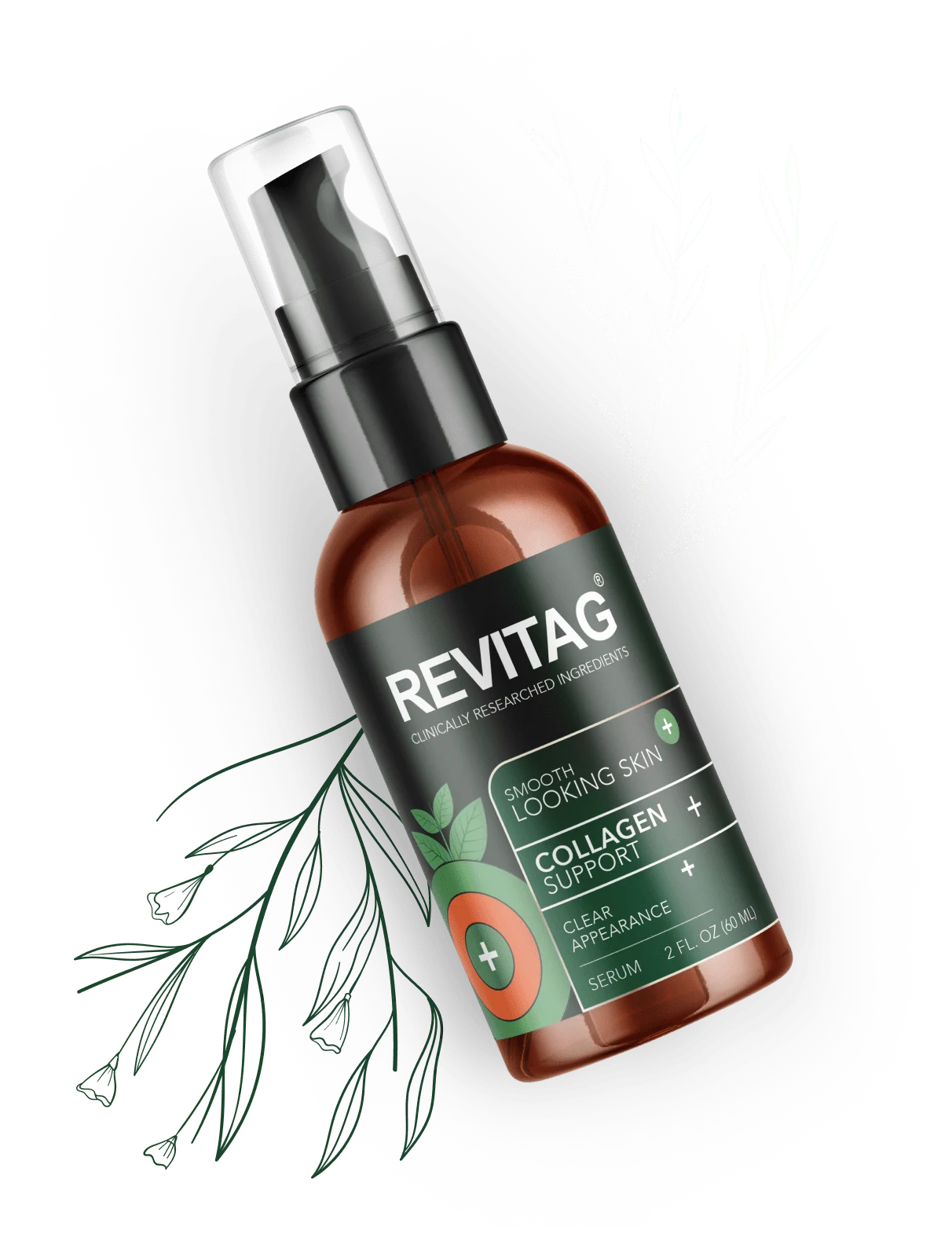
While diet lays the foundation, ReviTag offers a natural, comprehensive approach to support your body's ability to maintain clear, healthy skin and address common blemishes like skin tags from within. Our unique blend of natural ingredients is formulated to complement your healthy lifestyle.
- Supports natural skin tag and blemish reduction
- Promotes a clearer, more radiant complexion
- Enhances skin's natural healing and repair
- Boosts antioxidant defenses against damage
- Formulated with natural, scientifically-backed ingredients



Real People, Real Results: Testimonials
"I've struggled with acne for years, and trying to figure out the right diet felt overwhelming. This article simplified everything, and after a few weeks of implementing the advice, my skin is noticeably clearer. ReviTag has been a great addition!"
"The connection between gut health and skin finally clicked for me. Focusing on probiotic-rich foods and cutting down on sugar, as suggested, has made a huge difference. My skin tags seem less prominent, and my overall complexion is much smoother."
"As someone constantly battling hormonal breakouts, the advice on reducing high-glycemic foods was a game-changer. My skin feels calmer and less inflamed. ReviTag has helped support this journey, making my skin feel more resilient."
Frequently Asked Questions
How quickly can diet impact my skin?
+While individual results vary, many people report noticeable improvements in skin clarity and texture within 4-6 weeks of consistent dietary changes. Significant changes, especially for chronic conditions, may take 2-3 months as skin cells regenerate and inflammation reduces throughout the body.
Are there specific foods that worsen skin tags?
+While direct causation is not fully established, a diet high in refined sugars, processed foods, and unhealthy fats can contribute to insulin resistance and inflammation, which are sometimes linked to the proliferation of skin tags. Focusing on a balanced diet rich in whole foods, antioxidants, and fiber may help manage underlying factors.
Can a vegetarian or vegan diet be good for clear skin?
+Absolutely. Vegetarian and vegan diets, when well-planned, are often rich in fruits, vegetables, legumes, and whole grains, providing an abundance of antioxidants, fiber, and beneficial nutrients. These diets can significantly reduce inflammatory markers, support gut health, and contribute to clearer skin. Ensure adequate intake of B12, iron, and omega-3s through fortified foods or supplements if following a strict plant-based diet.
What role does gut health play in skin clarity?
+The 'gut-skin axis' is a well-researched connection. An imbalanced gut microbiome can lead to systemic inflammation, which can manifest as skin issues like acne, rosacea, and eczema. Consuming probiotic-rich foods (yogurt, kefir, kimchi) and prebiotic fibers (onions, garlic, oats) supports a healthy gut, which in turn can lead to clearer, calmer skin.
Is ReviTag suitable for all skin types?
+ReviTag is formulated with natural ingredients designed to support overall skin health from within, making it generally suitable for various skin types. It targets underlying factors like inflammation and cellular regeneration, which benefit most complexions. However, if you have specific skin conditions or sensitivities, it's always best to consult with a dermatologist before starting any new supplement.
Beyond diet, what other lifestyle changes support clear skin?
+Beyond diet, several lifestyle factors are crucial for clear skin. Regular exercise boosts circulation and detoxification, adequate sleep allows for skin repair and regeneration, and effective stress management (through meditation, yoga, or hobbies) reduces cortisol levels that can trigger breakouts. Additionally, a consistent skincare routine tailored to your skin type is essential.
Related Articles