Craving a complexion that defies age and radiates vitality?
In the quest for timeless beauty, many turn to topical creams and cosmetic procedures. However, true skin regeneration and lasting youthfulness often begin much deeper – at the cellular level, fueled by the very foods we consume. Collagen, the body's most abundant protein, is the cornerstone of supple, firm, and resilient skin.
Imagine a world where your diet actively repairs and rejuvenates your skin, helping to diminish fine lines, improve elasticity, and even address common concerns like skin tags and blemishes. This isn't a fantasy; it's the profound impact of understanding and harnessing the power of natural skin regeneration through nutrition. Join us as we explore how specific collagen-boosting foods can unlock your skin's potential for a vibrant, youthful glow.
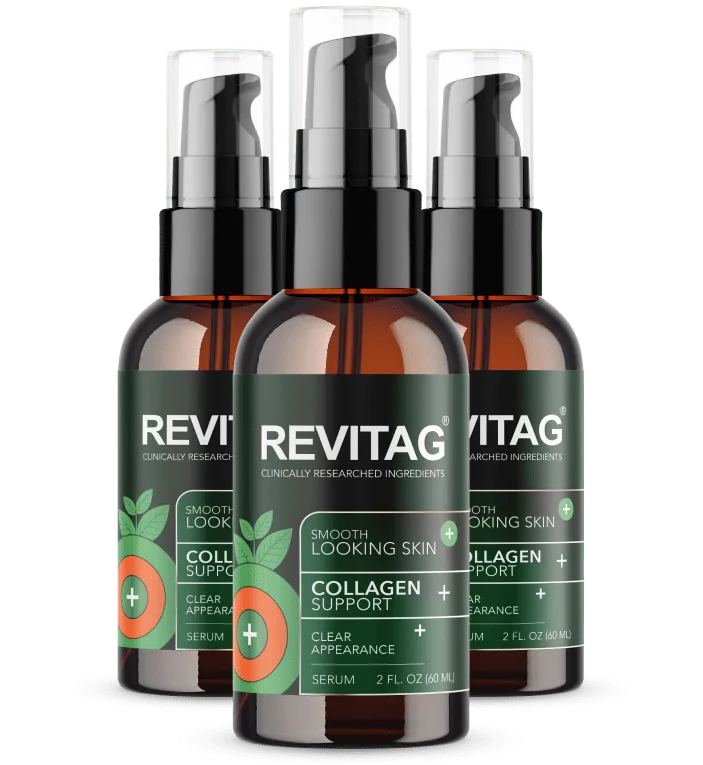
Understanding Collagen: The Foundation of Youthful Skin
Before diving into dietary recommendations, it's essential to grasp what collagen is and why it's so vital for our skin.
Collagen is the most abundant protein in the human body, accounting for about one-third of its total protein content. It's a key structural component of connective tissues, including skin, bones, tendons, ligaments, and cartilage. Think of it as the scaffolding that holds your body together, providing strength and elasticity. There are at least 28 types of collagen, but types I, II, and III are the most prevalent in the human body.
In the skin, collagen, primarily Type I and Type III, forms a dense, organized network in the dermis layer. This network is responsible for giving skin its **firmness, elasticity, and smooth appearance**. It plays a critical role in wound healing and maintaining the skin's structural integrity. As we age, our body's natural collagen production begins to decline. This process typically starts in our mid-20s and accelerates significantly after the age of 40, leading to visible signs of aging such as **fine lines, wrinkles, sagging skin, and reduced skin elasticity**. Environmental factors like sun exposure, pollution, smoking, and poor diet can further exacerbate this decline, leading to premature aging and a dull complexion. Understanding this natural process is the first step in taking proactive measures to support your skin's health.
💡 Key Takeaway
Collagen is the fundamental protein providing skin structure and elasticity. Its natural decline with age and environmental factors leads to visible signs of aging, making its support crucial for maintaining youthful skin.
The Crucial Role of Collagen in Skin Health and Regeneration
Beyond its role in maintaining youthful looks, collagen is integral to overall skin health and its ability to regenerate.
Maintains Skin Structure and Firmness
Collagen fibers are intricately woven to create a strong, supportive framework within the skin. This framework ensures the skin remains firm and taut, resisting the pull of gravity and preventing sagging. A robust collagen matrix is essential for a smooth and youthful contour.
Enhances Skin Elasticity and Flexibility
Alongside elastin, collagen contributes significantly to the skin's elasticity, allowing it to stretch and recoil without developing permanent lines or wrinkles. Good elasticity means your skin can bounce back from facial expressions, leading to fewer expression lines and a more resilient complexion.
Promotes Skin Hydration and Moisture Retention
Healthy collagen levels can indirectly support the skin's ability to retain moisture. When the skin's barrier is strong and its structure intact, it's better equipped to prevent transepidermal water loss, leading to more hydrated, plump, and dewy skin.
Aids in Wound Healing and Scar Reduction
Collagen is a critical component in the body's natural wound healing process. It helps form new tissue and plays a role in the repair of damaged skin, which can contribute to reducing the appearance of scars and promoting faster recovery from skin injuries or irritations.
Supports Cell Turnover and Regeneration
A healthy collagen network supports the natural cycle of skin cell turnover, where old, damaged cells are replaced by new, healthy ones. This continuous regeneration is vital for maintaining a fresh, radiant complexion and can help in the natural resolution of various minor skin imperfections.
The Diet-Skin Connection: Fueling Regeneration from Within
Your skin is a reflection of your internal health. What you eat directly impacts its appearance, resilience, and ability to heal.
The concept of "beauty from within" isn't just a marketing slogan; it's a scientific reality. The nutrients we consume provide the raw materials and co-factors necessary for collagen synthesis and protection. Without adequate dietary support, our bodies struggle to produce and maintain sufficient collagen, leading to noticeable changes in skin quality. This connection is particularly relevant when considering issues like **skin tags and blemishes**. While genetics and external factors play a role, a diet lacking essential nutrients can weaken the skin's barrier function, impair its healing capabilities, and make it more susceptible to various imperfections.
For instance, chronic inflammation, often fueled by diets high in processed foods and sugar, can accelerate collagen breakdown. Conversely, a diet rich in antioxidants and anti-inflammatory compounds can protect collagen from damage and support the body's natural repair mechanisms. By consciously choosing foods that promote collagen production and protect existing collagen, we equip our skin with the tools it needs to remain strong, supple, and clear. This holistic approach to skin health emphasizes that topical treatments are only one piece of the puzzle; true, lasting radiance is cultivated from the inside out.
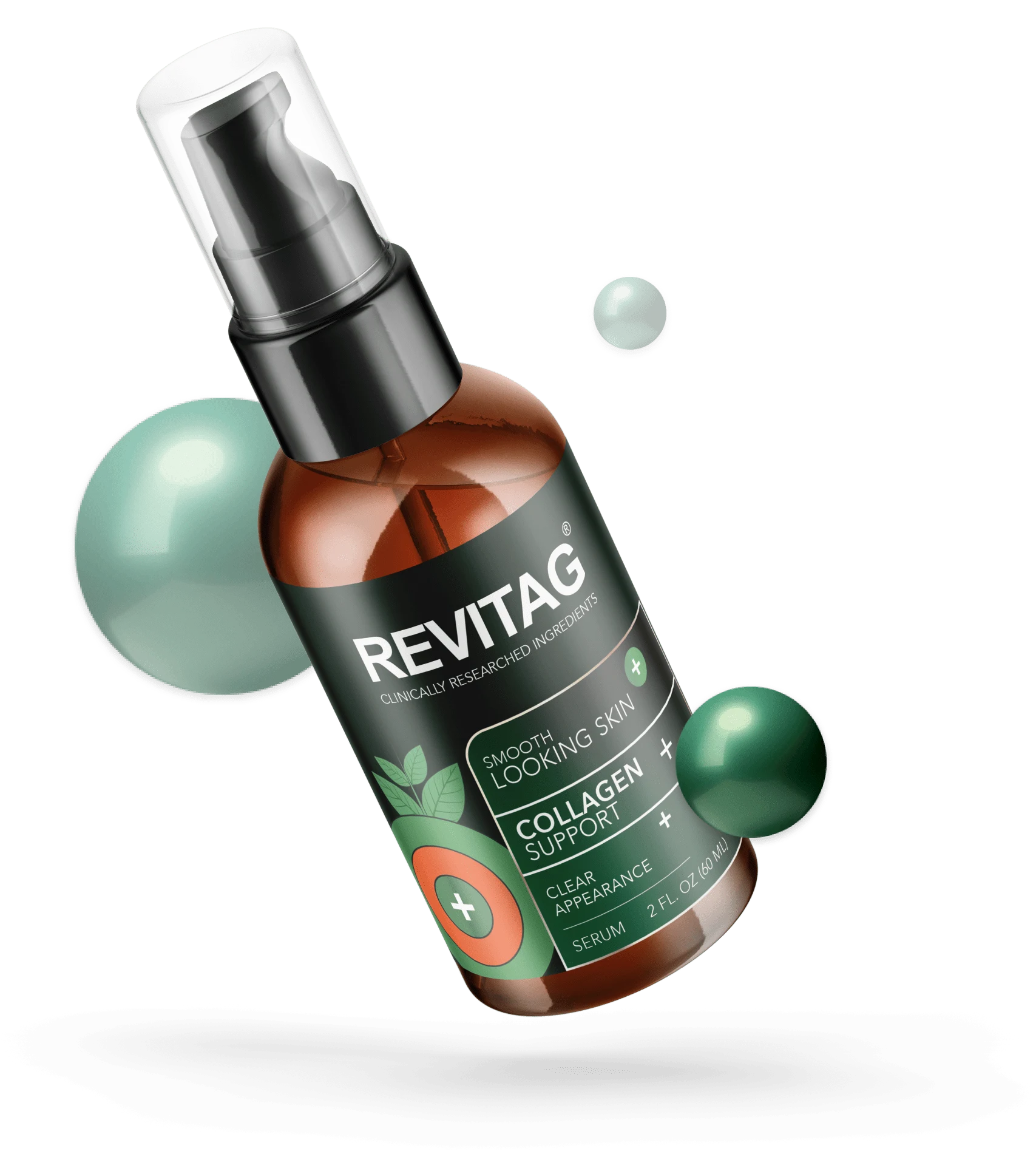
Top Collagen-Boosting Foods for Radiant Skin
Incorporating these foods into your daily diet can provide your body with the building blocks and catalysts needed for optimal collagen production.
Bone Broth
Made by simmering animal bones and connective tissues, bone broth is a rich source of collagen itself, along with essential amino acids like glycine, proline, and hydroxyproline – the primary components of collagen. It's easily digestible and readily absorbed by the body.
Fish and Shellfish
Fish, especially fatty fish like salmon and mackerel, are packed with collagen (often in the skin and bones, which can be consumed or used for broth) and omega-3 fatty acids. Omega-3s are known for their anti-inflammatory properties, which protect collagen from damage. Shellfish like oysters are also excellent sources of zinc, a crucial mineral for collagen synthesis.
Chicken
Chicken, particularly parts like the skin, cartilage, and feet, is rich in connective tissues that provide dietary collagen. Chicken is also a good source of amino acids that the body uses to produce its own collagen.
Egg Whites
While not containing collagen directly, egg whites are abundant in proline, one of the key amino acids necessary for collagen production. They also contain glycine, another vital amino acid for collagen synthesis.
Citrus Fruits
Oranges, grapefruits, lemons, and limes are brimming with Vitamin C, an absolute powerhouse for collagen. Vitamin C is an essential co-factor in the synthesis of collagen, meaning your body cannot produce collagen without it. It also acts as an antioxidant, protecting skin cells from damage.
Berries
Strawberries, blueberries, raspberries, and blackberries are not only delicious but also high in Vitamin C and antioxidants. These compounds help to protect existing collagen from oxidative stress and support the body's collagen-producing machinery.
Leafy Green Vegetables
Spinach, kale, and other dark leafy greens are rich in Vitamin C, Vitamin A, and various antioxidants. They also contain chlorophyll, which some research suggests might have anti-aging properties and support collagen production.
Red and Yellow Bell Peppers
These vibrant vegetables are incredibly high in Vitamin C, even more so than citrus fruits in some cases. They are also sources of capsaicin, which has anti-inflammatory benefits that can protect skin health.
Garlic
Garlic contains sulfur, a trace mineral that helps synthesize and prevent the breakdown of collagen. It also provides lipoic acid and taurine, which help rebuild damaged collagen fibers. Regular consumption in moderation can be beneficial for skin health.
Avocado
Rich in healthy fats, Vitamin E, and antioxidants, avocados can help protect the skin from damage and inflammation, which in turn helps preserve collagen. The healthy fats also contribute to skin hydration and elasticity.
Beyond Collagen: Essential Nutrients for Skin Regeneration
While collagen is key, its production and maintenance rely on a symphony of other vitamins and minerals.
It's not enough to simply consume foods rich in collagen or its amino acid precursors. The body requires a range of **vitamins, minerals, and antioxidants** to effectively synthesize new collagen, repair damaged fibers, and protect against environmental degradation. These nutrients act as co-factors, catalysts, and protectors in the complex biochemical pathways that govern skin health. Without them, even a diet rich in protein might not yield optimal results for your skin.
For example, Vitamin C is absolutely non-negotiable for collagen synthesis, while zinc and copper play crucial roles in forming strong collagen fibers. Antioxidants like Vitamin E and beta-carotene combat free radicals that can break down collagen. Ensuring a diverse intake of these micronutrients is just as important as consuming protein-rich foods. This comprehensive nutritional approach ensures that your body has all the tools it needs to not only produce collagen but also to maintain its structural integrity and support overall skin regeneration, helping to keep your complexion clear and youthful. You can learn more about how to support your skin's health with natural remedies by reading our article on natural skin health relief remedies.
Lifestyle Factors: Complementing Your Collagen-Rich Diet
Diet is powerful, but a holistic approach to skin health involves more than just what's on your plate.
Prioritize Quality Sleep
During sleep, your body enters a repair and regeneration mode. This is when human growth hormone (HGH), which stimulates collagen production, is released. Aim for 7-9 hours of quality sleep each night to allow your skin cells to repair and renew, contributing to a refreshed and youthful appearance.
Stay Hydrated
Water is essential for maintaining skin plumpness and elasticity. Dehydrated skin can appear dull, dry, and more prone to wrinkles. Drinking ample water throughout the day helps your skin cells function optimally, supports nutrient delivery, and aids in flushing out toxins, all contributing to better skin health.
Manage Stress Effectively
Chronic stress triggers the release of cortisol, a hormone that can break down collagen and elastin, leading to premature aging. Incorporate stress-reduction techniques like meditation, yoga, deep breathing exercises, or spending time in nature to protect your skin from the damaging effects of stress.
Protect from Sun Exposure
UV radiation from the sun is one of the biggest culprits of collagen breakdown. It generates free radicals that damage collagen fibers and inhibit new collagen production. Always use broad-spectrum sunscreen with SPF 30 or higher, wear protective clothing, and seek shade during peak sun hours to preserve your skin's collagen.
Avoid Smoking and Excessive Alcohol
Smoking severely restricts blood flow to the skin, depriving it of oxygen and nutrients, and accelerates collagen and elastin breakdown. Excessive alcohol consumption dehydrates the skin and can lead to inflammation. Limiting or avoiding these habits is crucial for maintaining healthy, youthful skin.
Addressing Skin Tags and Blemishes: A Holistic View
While dietary collagen primarily impacts the foundational health of your skin, a well-nourished body can also better address minor skin imperfections.
Skin tags and blemishes are common dermatological concerns that, while often harmless, can be a source of cosmetic discomfort. Skin tags (acrochordons) are small, benign growths that typically appear where skin rubs against skin or clothing. Blemishes encompass a broader range of minor imperfections, from small bumps to areas of uneven texture. While the exact causes of skin tags are not fully understood, factors like friction, genetics, insulin resistance, and hormonal changes are often implicated. Blemishes can arise from clogged pores, inflammation, or minor irritations.
How does nutrition play a role? A diet that supports healthy skin regeneration and reduces systemic inflammation can contribute to an overall healthier skin environment, which may, in turn, help the skin maintain its clarity and potentially reduce the incidence or appearance of certain minor blemishes. While no food directly "removes" skin tags, a strong, resilient skin barrier and efficient cellular turnover, fostered by a nutrient-rich diet, are foundational for optimal skin health. For those seeking targeted support, complementary solutions like specific supplements designed to promote skin health can be considered alongside dietary changes. You might also be interested in learning about tea tree oil for skin blemishes as a topical solution.
💡 Key Takeaway
A healthy diet rich in collagen-boosting nutrients supports overall skin integrity, potentially aiding in natural regeneration and maintaining clarity, which can contribute to managing the appearance of common skin concerns like tags and blemishes.
Introducing ReviTag: A Complementary Approach to Skin Health
While diet and lifestyle are fundamental, some individuals seek additional support for specific skin concerns.
For those looking to complement their dietary efforts and target common concerns like skin tags and blemishes, specialized supplements can offer a concentrated blend of beneficial ingredients. This is where products like ReviTag come into play. ReviTag is formulated as a natural supplement designed to support overall skin health, aiming to help the body in its natural processes of regeneration and maintaining a clear complexion. It's intended to work synergistically with a healthy lifestyle and diet, providing targeted nutrients that may assist in the natural resolution of skin imperfections.
The approach behind ReviTag is to nourish the skin from within, providing a blend of ingredients known for their roles in skin integrity and health. By supporting the skin's natural healing and regenerative capabilities, ReviTag aims to help improve the appearance of various skin concerns, including promoting the natural fading or diminishing of skin tags and blemishes over time. This offers a gentle, non-invasive option for individuals who prefer a natural route to clearer, smoother skin, complementing the powerful effects of a collagen-rich diet. For a deeper dive into how supplements can aid your skin, explore our article on collagen supplements for skin renewal.
Key Natural Ingredients in ReviTag for Skin Support
ReviTag's formula is crafted with a selection of natural ingredients, each chosen for its potential benefits in supporting skin health and regeneration.
Turmeric Root
Known for its powerful anti-inflammatory and antioxidant properties, turmeric can help protect skin cells from damage and promote a healthy inflammatory response, which is crucial for skin regeneration and clarity.
Pomegranate Extract
Rich in antioxidants like punicalagins, pomegranate extract helps combat free radicals, supports collagen production, and promotes skin repair, contributing to a more youthful and radiant complexion.
Zinc
An essential mineral vital for immune function and wound healing. Zinc plays a crucial role in collagen synthesis and cell proliferation, making it indispensable for skin repair and maintaining overall skin integrity.
Vitamin C
A potent antioxidant and an indispensable co-factor for collagen synthesis. Vitamin C protects skin from oxidative stress, brightens complexion, and is crucial for the formation of strong, healthy collagen fibers.
Green Tea Extract
Packed with polyphenols, particularly EGCG, green tea extract offers powerful antioxidant and anti-inflammatory benefits, protecting skin cells from environmental damage and supporting healthy skin aging.
Resveratrol
A powerful antioxidant found in red grapes, resveratrol helps protect against cellular damage, supports cellular longevity, and may contribute to maintaining skin elasticity and firmness.
Aloe Vera
Known for its soothing and healing properties, aloe vera can help hydrate the skin, reduce inflammation, and support the natural repair processes, contributing to smoother and healthier skin.
Black Pepper Extract (Piperine)
Included to enhance the bioavailability and absorption of other ingredients, particularly turmeric. Piperine itself also offers antioxidant benefits.
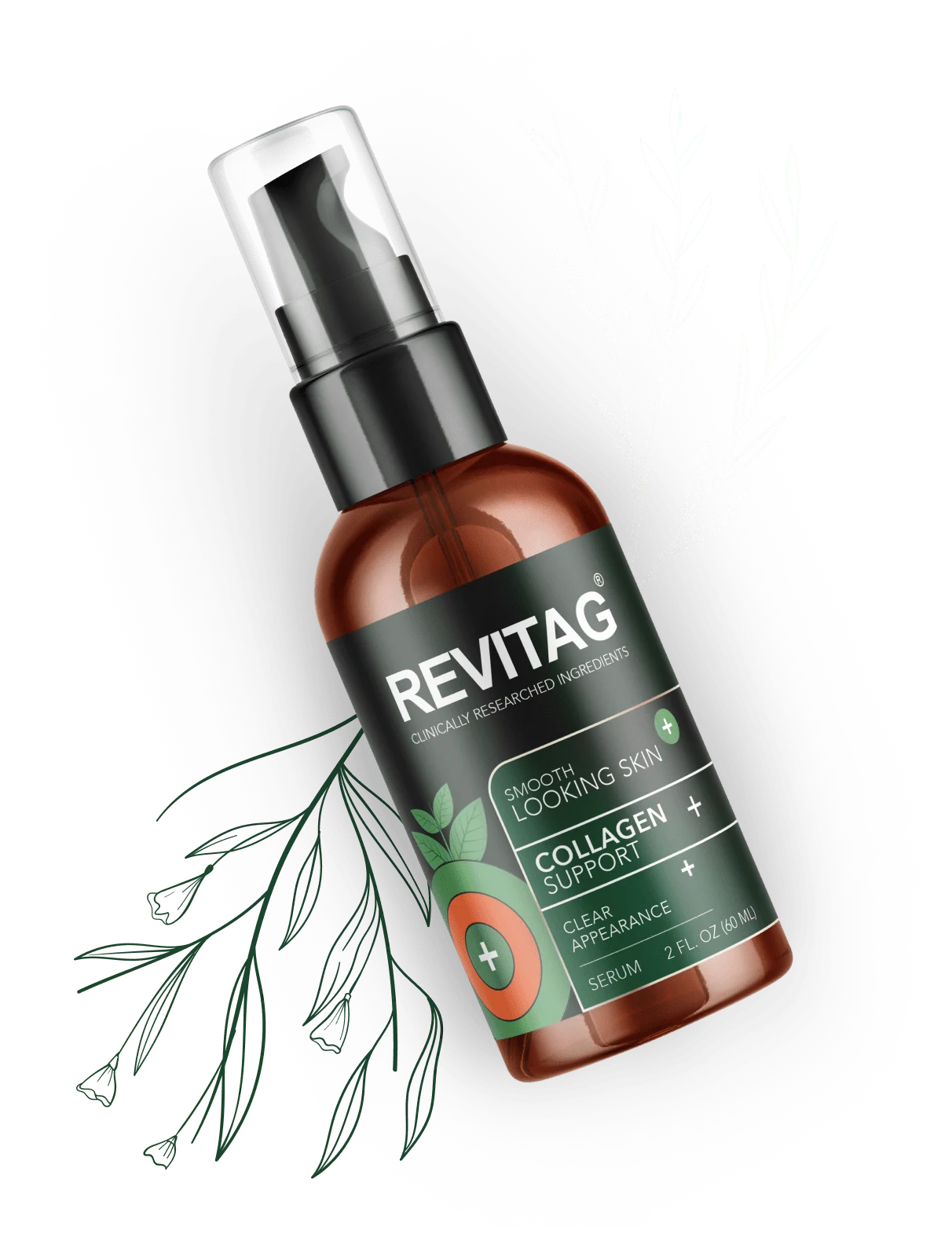
Transform Your Skin: Experience the ReviTag Difference
ReviTag offers a natural and gentle way to support your skin's health and help you achieve a clearer, more radiant complexion. By harnessing the power of carefully selected botanical extracts and essential nutrients, ReviTag works with your body to promote natural skin regeneration and address common imperfections like skin tags and blemishes.
- ✓ Supports natural skin tag and blemish reduction
- ✓ Promotes healthy skin regeneration and healing
- ✓ Enhances overall skin clarity and smoothness
- ✓ Formulated with potent natural ingredients
- ✓ Gentle, non-invasive approach to skin health



What Our Customers Are Saying
"I've struggled with small skin tags for years, and nothing seemed to help. After a few weeks of using ReviTag and focusing on my diet, I've noticed a significant difference. My skin feels smoother, and some of the smaller tags have almost disappeared. I'm genuinely impressed!"
"I was skeptical at first, but ReviTag has really improved my skin's overall appearance. Not only do I feel like my skin is more vibrant, but some of the dark spots and blemishes I had are much less noticeable. It's a great addition to my healthy eating habits."
"As someone who values natural health solutions, ReviTag caught my eye. I've been taking it for a month, alongside increasing my collagen-rich foods, and my skin feels incredibly soft and looks much clearer. Even my friends have commented on my 'glow'!"
Frequently Asked Questions
What is collagen and why is it important for skin?
+Collagen is the most abundant protein in the human body, serving as a primary building block for skin, bones, tendons, and ligaments. In the skin, collagen provides structure, elasticity, and firmness, contributing to a youthful and smooth appearance. It's crucial for maintaining skin integrity and its natural repair processes.
Can diet truly impact skin regeneration and youthfulness?
+Absolutely. The nutrients we consume directly influence our body's ability to produce and maintain collagen, as well as protect existing collagen from degradation. A diet rich in collagen-boosting foods, antioxidants, and essential vitamins can significantly support skin regeneration, enhance elasticity, and promote a more youthful complexion from within.
Which foods are best for increasing collagen in the body?
+Foods rich in amino acids (like glycine, proline, and hydroxyproline) are key, such as bone broth, fish, chicken, and egg whites. Additionally, foods high in Vitamin C (citrus fruits, bell peppers), zinc (nuts, seeds), and copper (shellfish, legumes) are vital for collagen synthesis. Berries, leafy greens, and garlic also offer protective benefits.
How does ReviTag address skin tags and blemishes?
+ReviTag is formulated with a blend of natural ingredients designed to support overall skin health, which can indirectly help in managing the appearance of skin tags and blemishes. Its ingredients work to nourish the skin, promote healthy cell turnover, and create an environment conducive to skin regeneration, aiming for clearer, smoother skin over time.
Are there other lifestyle factors that support collagen production?
+Beyond diet, several lifestyle factors play a significant role. Adequate sleep allows the skin to repair itself, while regular exercise improves circulation, delivering nutrients to skin cells. Avoiding excessive sun exposure, reducing stress, and quitting smoking are also crucial, as these factors can accelerate collagen breakdown and hinder skin regeneration.
How long does it take to see results from a collagen-rich diet or supplements?
+Results can vary based on individual metabolism, diet consistency, and overall health. Generally, it may take several weeks to a few months to observe noticeable improvements in skin texture, hydration, and elasticity from dietary changes or collagen supplements. Consistency is key for optimal results.
Related Articles